Cerrado’s stalled Lagoa Salgada copper-zinc project: hydrology and permitting lens for engineers
Reviewed by Joe Ashwell
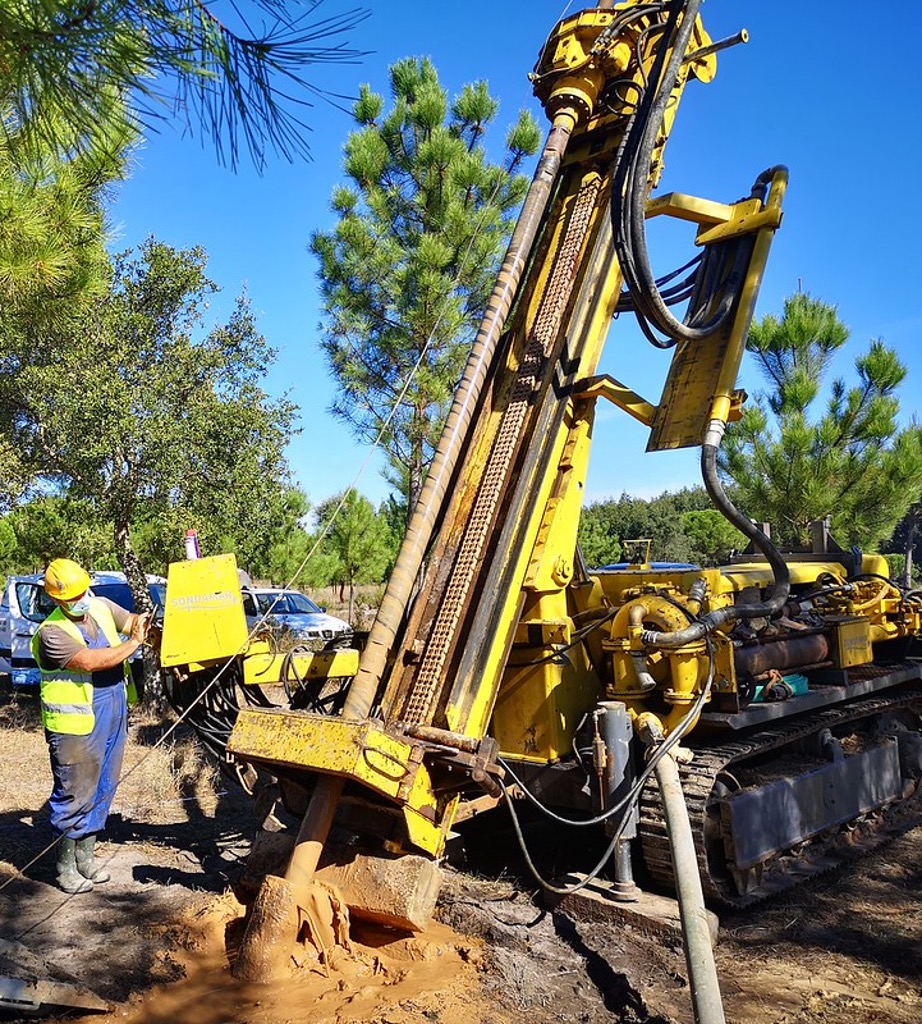
First reported on MINING.com
30 Second Briefing
Cerrado Gold has filed an injunction against Portugal’s environmental regulator APA over the rejection of its Lagoa Salgada copper-zinc project in the Iberian pyrite belt, arguing procedural flaws including an eight-day instead of legally required 10-day consultation and a late-stage objection over a deep, sulphide-contaminated third aquifer earmarked for mine water use. Municipal authorities near Grândola cite conflicts with land-use plans and water risks, despite the project’s Project of National Interest status and extensive hydrological studies. CEO Mark Brennan still targets first production in 2028, with cash flow from the 50,238 oz Au-eq/y Minera Don Nicolás mine and potential offtake/streaming expected to fund development.
Technical Brief
- Lagoa Salgada is a volcanogenic massive sulphide deposit in Portugal’s Iberian pyrite belt with multiple Cu-Zn-Pb-Ag zones.
- Cerrado acquired Lagoa Salgada from Ascendant Resources in 2021, inheriting prior drilling and project definition work.
- Municipal authorities near Grândola argue the mine conflicts with existing land-use plans and question its environmental viability.
- Brennan links local political opposition to a luxury residential and golf development located roughly 35 km from the project.
- Cerrado reports one of Portugal’s most detailed hydrological studies, covering three aquifers with Spanish specialist input.
- Minera Don Nicolás in Argentina produced 50,238 oz Au-eq in 2025, down from 54,494 oz the previous year.
- Revenue rose to $131.8 million and adjusted EBITDA to $33.4 million in 2025, supporting self-funded project development.
- Transition at Minera Don Nicolás from maturing open pits to underground mining and expanded heap leach is underway to stabilise grades.
- Brennan forecasts combined cash flow of “a couple hundred million dollars” annually once Lagoa and other projects are operating.
Our Take
With Cerrado Gold’s market capitalisation around C$228 million and last year’s revenue at about $132 million, Lagoa Salgada’s delay in Portugal likely has a disproportionate impact on its growth narrative compared with larger diversified base‑metal producers in our database.
The environmental dispute around Lagoa Salgada in southern Portugal contrasts with smoother permitting stories in other Iberian pyrite belt copper and zinc items in our coverage, signalling that proximity to high-end residential and tourism developments can be a decisive risk factor even in established mining districts.
Cerrado’s improving adjusted EBITDA (from about $24 million to $33 million) backed by operating assets such as Minera Don Nicolás and the Monte do Carmo gold project gives it more room than many single-asset juniors in our Mining–Projects coverage to absorb a 2028 start-up slippage at Lagoa Salgada, but still constrains how aggressively it can fund parallel developments like Mont Sorcier in Quebec.
Prepared by collating external sources, AI-assisted tools, and Geomechanics.io’s proprietary mining database, then reviewed for technical accuracy & edited by our geotechnical team.
Related Articles


Related Industries & Products
Mining
Geotechnical software solutions for mining operations including CMRR analysis, hydrogeological testing, and data management.
Tunnelling
Specialised solutions for tunnelling projects including grout mix design, hydrogeological analysis, and quality control.
CMRR-io
Streamline coal mine roof stability assessments with our cloud-based CMRR software featuring automated calculations, multi-scenario analysis, and collaborative workflows.
HYDROGEO-io
Comprehensive hydrogeological testing platform for managing, analysing, and reporting on packer tests, lugeon values, and hydraulic conductivity assessments.
GEODB-io
Centralised geotechnical data management solution for storing, accessing, and analysing all your site investigation and material testing data.