BHP’s $1.5B Cerro Colorado restart: water, leach and pipeline risks for engineers
Reviewed by Joe Ashwell
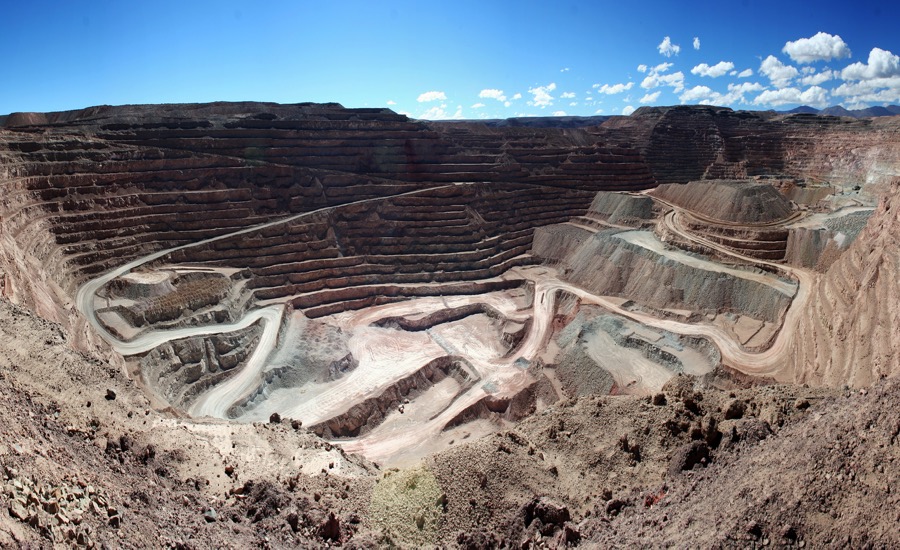
First reported on MINING.com
30 Second Briefing
BHP is seeking to restart the Cerro Colorado copper mine in Chile with a $1.5 billion plan centred on a new environmental permit and a 20‑year mine life. The proposal replaces contested groundwater use with leaching technologies supplied by treated wastewater pumped over more than 100 km from Alto Hospicio via a dedicated pipeline across the Atacama Desert. For engineers, the key issues will be permitting risk, long-distance water pipeline design in hyper‑arid terrain, and integration of seawater-desalination and wastewater streams into heap leach circuits.
Technical Brief
- Cerro Colorado sits within BHP’s Pampa Norte division, sharing regional infrastructure context with Spence.
- The mine’s relative scale is small versus Escondida and Spence, affecting capital allocation and risk tolerance.
- Treated municipal wastewater source at Alto Hospicio introduces third‑party reliability and regulatory interfaces beyond mining agencies.
- Adoption of leaching technologies implies a shift away from historic groundwater‑dependent processing flowsheets at Cerro Colorado.
- Twenty‑year horizon supports long‑life infrastructure (pipeline, leach pads) but demands robust closure and post‑use water planning.
Our Take
The 20‑year extension sought for the Cerro Colorado copper mine mirrors the long‑life focus seen in other BHP copper items in our database, signalling that BHP is locking in multi‑decade exposure to Chilean copper rather than pivoting production elsewhere.
Routing more than 100 km of treated wastewater from Alto Hospicio to the Cerro Colorado operation would place this among the more infrastructure‑heavy water‑management schemes in our recent Latin America coverage, which typically rely on shorter pipelines or direct desalination at the coast.
With BHP simultaneously trialling low‑impact copper recovery technologies through BHP Invent and SiTration in Australia, the capital‑intensive restart at Cerro Colorado suggests a dual track: incremental technology bets on waste streams alongside large, conventional sulphide operations in northern Chile.
Prepared by collating external sources, AI-assisted tools, and Geomechanics.io’s proprietary mining database, then reviewed for technical accuracy & edited by our geotechnical team.
Related Articles
Related Industries & Products
Mining
Geotechnical software solutions for mining operations including CMRR analysis, hydrogeological testing, and data management.
Construction
Quality control software for construction companies with material testing, batch tracking, and compliance management.
CMRR-io
Streamline coal mine roof stability assessments with our cloud-based CMRR software featuring automated calculations, multi-scenario analysis, and collaborative workflows.
HYDROGEO-io
Comprehensive hydrogeological testing platform for managing, analysing, and reporting on packer tests, lugeon values, and hydraulic conductivity assessments.
GEODB-io
Centralised geotechnical data management solution for storing, accessing, and analysing all your site investigation and material testing data.