BHP copper growth over M&A: production, capex and risk takeaways for engineers
Reviewed by Tom Sullivan
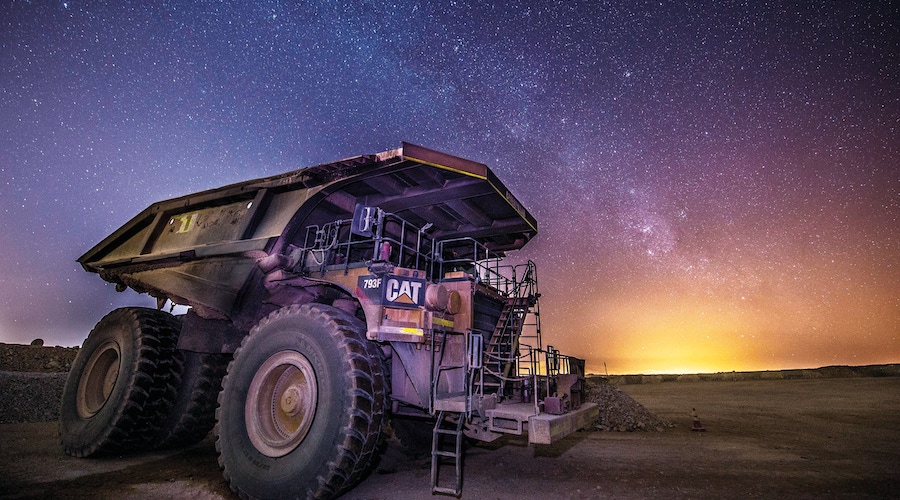
First reported on MINING.com
30 Second Briefing
BHP is prioritising organic copper growth over major M&A after copper overtook iron ore as its top earner, delivering US$8 billion EBITDA (up 59%) and underpinning a plan to lift copper-equivalent output to 2.5 million tonnes per year by FY2035 from 1.9–2Mt this year. The miner expects about 1.4Mtpa from Escondida and Pampa Norte in Chile plus an initial 500,000tpa from South Australia, while the Vicuña JV with Lundin in Argentina targets 800,000tpa copper equivalent at first-quartile cash costs from the Josemaría and Filo deposits. With net debt at US$14.7 billion and up to US$10 billion in “undervalued capital” identified, BHP says its balance sheet can support deals but growth will centre on productivity and advancing existing projects.
Technical Brief
- Vicuña JV technical report assigns 47Mt Cu, 97Moz Au and 1.8Bn oz Ag to Josemaría–Filo.
- Initial Vicuña phase is engineered for ~800,000tpa copper equivalent at first‑quartile cash cost positioning.
- Partners plan ~US$800M capex at Vicuña in 2026 ahead of an initial-stage FID by year‑end.
- BHP has applied under Argentina’s RIGI incentive regime to stabilise fiscal and FX terms for Vicuña.
- Net debt at end‑2025 is US$14.7B with 20.9% gearing, leaving headroom for project funding.
- Up to US$10B “undervalued capital” identified, including US$6.3B already unlocked from Pilbara power and Antamina streaming.
Our Take
The push to lift copper-equivalent output to 2.5Mt/y by 2035 sits alongside BHP’s recent record performance at Copper South Australia, suggesting the group is already using brownfield debottlenecking and underground optimisation (as seen at Olympic Dam) as a bridge while large projects like Vicuña and Josemaría/Filo mature.
Our database shows several recent BHP items focused on incremental productivity and electrification in Western Australian iron ore (haul-truck hoist upgrades and battery-electric locomotives in the Pilbara), indicating that cashflow from a leaner iron ore business is likely a key internal funding source for the copper growth pipeline rather than major new M&A.
With 47Mt copper and significant gold–silver credits at Josemaría and Filo, plus 1.4Mt/y already coming from Escondida and Pampa Norte, BHP’s Latin American exposure means that permitting, water and power decisions in Chile–Argentina will be as critical to meeting the 2035 target as any further corporate deals in copper.
Prepared by collating external sources, AI-assisted tools, and Geomechanics.io’s proprietary mining database, then reviewed for technical accuracy & edited by our geotechnical team.
Related Articles

Related Industries & Products
Mining
Geotechnical software solutions for mining operations including CMRR analysis, hydrogeological testing, and data management.
Tunnelling
Specialised solutions for tunnelling projects including grout mix design, hydrogeological analysis, and quality control.
CMRR-io
Streamline coal mine roof stability assessments with our cloud-based CMRR software featuring automated calculations, multi-scenario analysis, and collaborative workflows.
HYDROGEO-io
Comprehensive hydrogeological testing platform for managing, analysing, and reporting on packer tests, lugeon values, and hydraulic conductivity assessments.
GEODB-io
Centralised geotechnical data management solution for storing, accessing, and analysing all your site investigation and material testing data.