£225M Stalybridge–Diggle TRU works: bridge and Mossley station design notes for engineers
Reviewed by Tom Sullivan
First reported on New Civil Engineer
30 Second Briefing
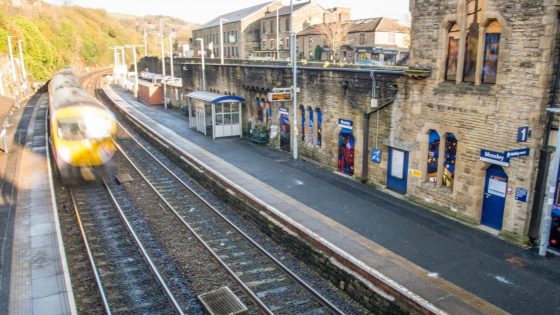
Network Rail has confirmed a £225M package for the Stalybridge–Diggle section of the Transpennine Route Upgrade, including modifications to 10 bridges to create clearance for full route electrification. Works between Stalybridge, Mossley, Greenfield and Diggle will require track realignment, parapet upgrades and structural alterations to overbridges and underbridges on this constrained valley corridor. A completely new Mossley station will be constructed on the existing alignment, with platforms and access designed around the upgraded overhead line equipment and revised track geometry.
Technical Brief
- Package sits within the wider Transpennine Route Upgrade, influencing interfaces with adjacent electrification sections.
- Bridge interventions will need to maintain live railway operations, driving staged possessions and temporary works.
- New Mossley station construction must tie into existing alignment while accommodating revised geometry constraints.
- Structural alterations will trigger updated compliance checks to current loading, parapet and electrification standards.
- Drainage and track realignment in a confined corridor will require careful management of flood and scour risk.
- Lessons on bridge clearance upgrades under traffic will be directly transferable to other TRU subsections.
Our Take
Within our 82 Infrastructure stories, few UK rail items approach the scale of this £225M Stalybridge–Diggle TRU section, signalling Network Rail’s willingness to package substantial multi-asset works (bridges plus a new station) into single delivery lots that favour large, multidisciplinary contractors.
Modifying 10 bridges on an existing Transpennine corridor in the United Kingdom typically points to clearance and alignment upgrades for higher line speeds and future electrification, so contractors will need strong temporary works and possession-planning capability to manage complex staging under live railway conditions.
The inclusion of a new Mossley station alongside route upgrades suggests a design brief that balances capacity and performance with passenger amenity and accessibility, which in our database often leads to interface risk between building and rail systems contracts unless governance and design responsibility are tightly defined up front.
Prepared by collating external sources, AI-assisted tools, and Geomechanics.io’s proprietary mining database, then reviewed for technical accuracy & edited by our geotechnical team.


