Geomechanics, Streamlined.
© 2026 Geomechanics.io. All rights reserved.
Cummins Inc. will showcase advanced power solutions for mining and construction at CONEXPO 2026, joining around 2,000 exhibitors at the triennial trade show in Las Vegas from 3–7 March at the Las Vegas Convention Center. While specific engine models are not yet named, the focus is expected to span low-emission diesel, natural gas and hybrid powertrains relevant to high‑duty off‑highway equipment. Mining and civil contractors should watch for updates on power density, fuel flexibility and integration options for large haul trucks, drills and auxiliary plant.
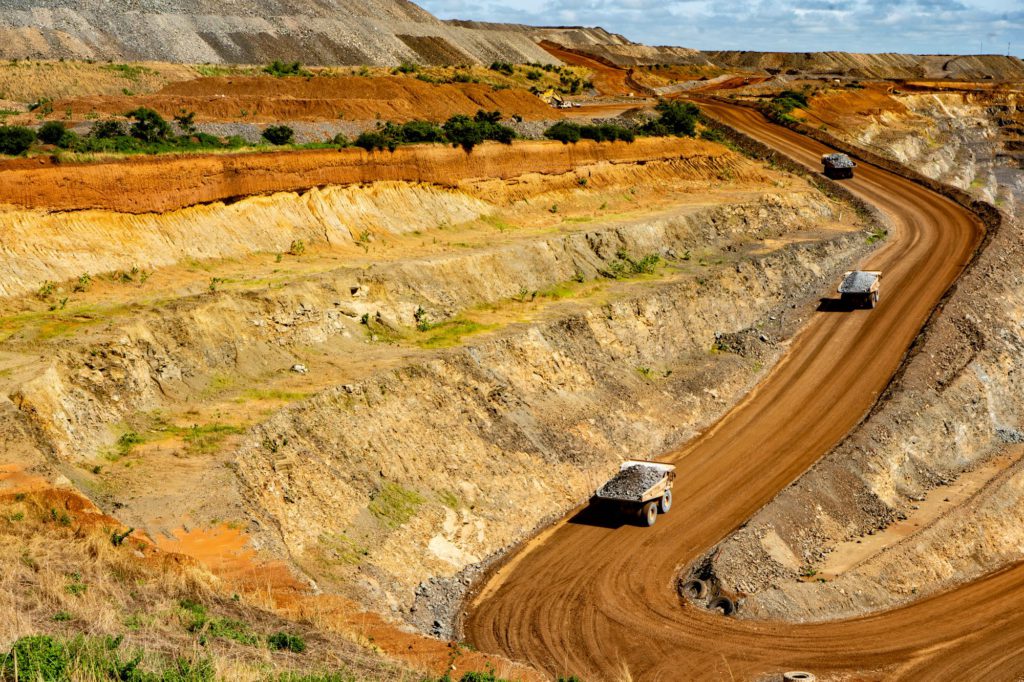
BUMA has secured a new overburden removal and coal mining services contract with PT Adaro Indonesia for the South Tutupan mine in Tanjung Tabalong, South Kalimantan, running from 1 April 2026 to 31 December 2030. The agreement, which follows BUMA’s long-standing work at Adaro’s main Tutupan pit, covers continued deployment of large-scale truck–shovel fleets and associated mine infrastructure support. For geotechnical and mine planners, the deal signals stable medium-term stripping and haulage requirements, supporting ongoing pit slope development and waste dump sequencing through at least 2030.
Epiroc will use PDAC 2026 in Toronto (1–4 March) to unveil new underground drilling safety and automation products, led by its Uphole Brake integrated safety module. The Uphole Brake is designed to control and secure uphole drill strings during rod handling and tramming, reducing the risk of dropped rods and unintended movement in longhole and production drilling. For mine operators, the package signals further OEM integration of safety functions into drill rigs, potentially simplifying compliance with site-specific ground control and isolation procedures.
Major construction has begun on the $720 million upgrade of Richmond Road in New South Wales, a key corridor currently carrying around 89,000 vehicles per day. The first stage focuses on expanding capacity and improving traffic flow to accommodate forecast rapid growth in volumes linked to Western Sydney’s urban development. Civil contractors and designers will need to manage works under live traffic, stage pavement widening, and integrate upgraded intersections and drainage while maintaining connectivity for freight and commuter movements.
New South Wales’ $520 million land planning package will deliver seven major parks alongside the Transport Oriented Development (TOD) Accelerated Precincts, with Kellyville Centre Park the first cab off the rank. The TOD Accelerated Precincts, finalised in November 2024, re-zoned land around seven transport centres to increase housing capacity and concentrate growth near rail and rapid bus hubs. For civil and geotechnical teams, the programme signals imminent demand for earthworks, drainage, active transport links and public realm structures integrated with existing transport corridors.
Alltech Industries is expanding its Indian-born road and infrastructure product portfolio into the Australian market, aiming for a stronger domestic presence in 2026 after establishing local industry partnerships. The family-owned company, which has grown from a small industrial unit in India to a global supplier, is positioning its pavement, road safety and construction systems for use on Australian highways and urban projects. For civil contractors and road authorities, Alltech’s entry signals additional competition in pre-engineered components and surface treatment solutions tailored to local specifications.
Western Australia will amend the Road Traffic Act 1974 under “Kelly’s Law” to impose tougher, longer licence disqualifications on hit-and-run drivers who flee serious or fatal crashes. The reforms will target offenders who fail to stop and render assistance, preventing them from regaining a licence for extended periods and, in some cases, permanently. For road and traffic engineers, the move signals continued policy emphasis on driver behaviour and enforcement rather than geometric or asset changes to improve network safety outcomes.
Glasgow City Council has started a three-year, £119M programme to upgrade urban roads, footways and street lighting, with a further £20M ring-fenced specifically for carriageway resurfacing. Works will focus on structural renewal of worn carriageways and pavements across the city’s existing network rather than major new alignments, implying extensive planing, binder and surface course replacement and localised base repairs. Contractors and materials suppliers can expect sustained demand for asphalt, cold planing, traffic management and night-time working, with likely prioritisation of high-bus corridors and heavily trafficked junctions.
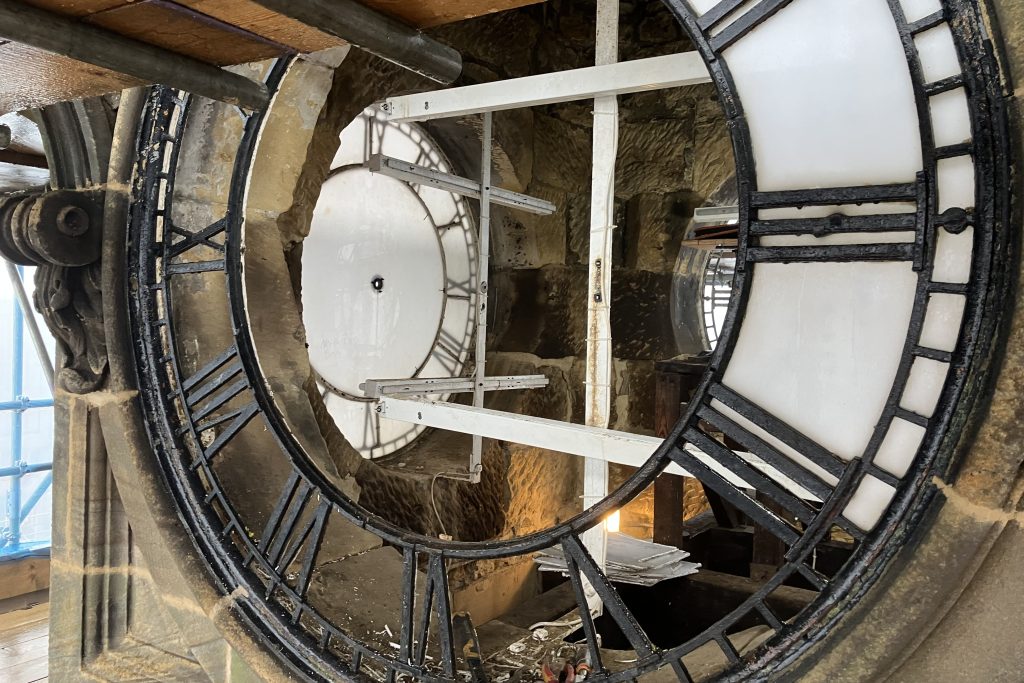
A £14M upgrade of Scarborough’s Grade II-listed railway station has opened up and restored the historic clocktower for the first time in decades as part of a wider conservation programme. Works are understood to focus on structural repairs to the masonry and timber, refurbishment of the clock mechanism and faces, and sensitive renewal of roof coverings and drainage to manage water ingress. For engineers, the project signals continued investment in life-extension of Victorian rail assets, with heritage constraints shaping material choices and detailing.
Cowi has secured the preliminary and detailed design contract from the Icelandic Road and Coastal Administration (Vegagerðin) for a new 5.3km road tunnel in northern Iceland, set to improve all‑weather connectivity on a key regional route. The long single-bore tunnel will demand detailed geotechnical characterisation of volcanic and glacially influenced ground, plus robust drainage and lining design for sub‑Arctic freeze–thaw conditions. Designers will need to address ventilation, fire and evacuation provisions consistent with European road tunnel standards, with constructability in remote terrain a central constraint.
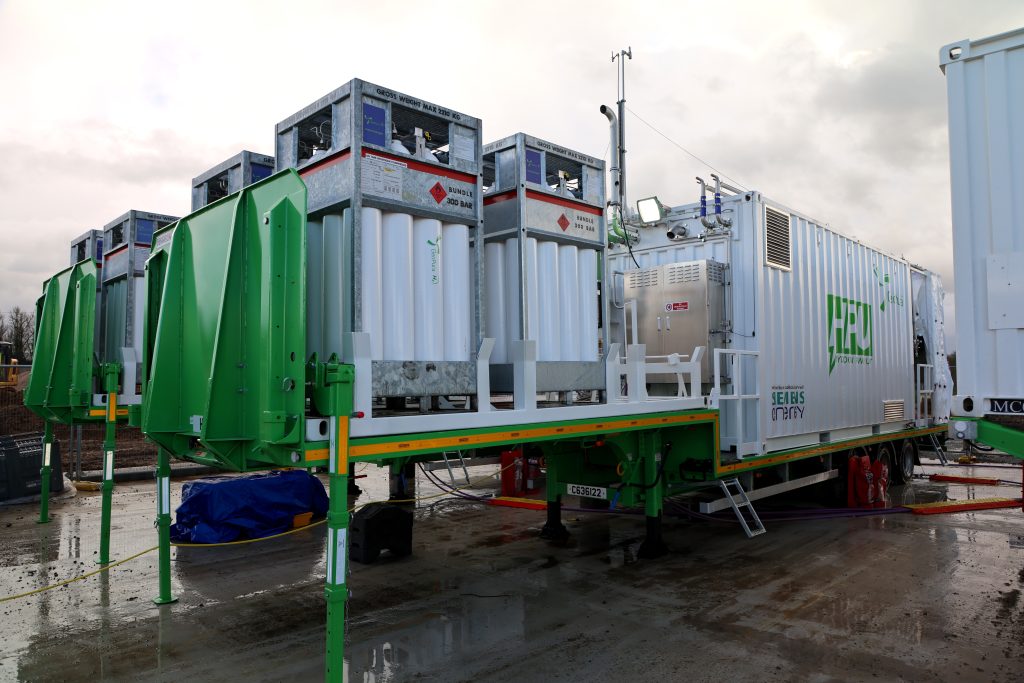
British hydrogen producer GeoPura will supply 2,500t of green hydrogen to power construction of National Highways’ Lower Thames Crossing, billed as the largest single use of green hydrogen on a UK infrastructure scheme. The fuel will support temporary power generation and plant operations on the 23km road and tunnel project beneath the River Thames, reducing reliance on diesel generators. Contractors and plant suppliers will need to integrate hydrogen-compatible equipment, on-site storage, and high-capacity refuelling logistics into construction planning and risk assessments.
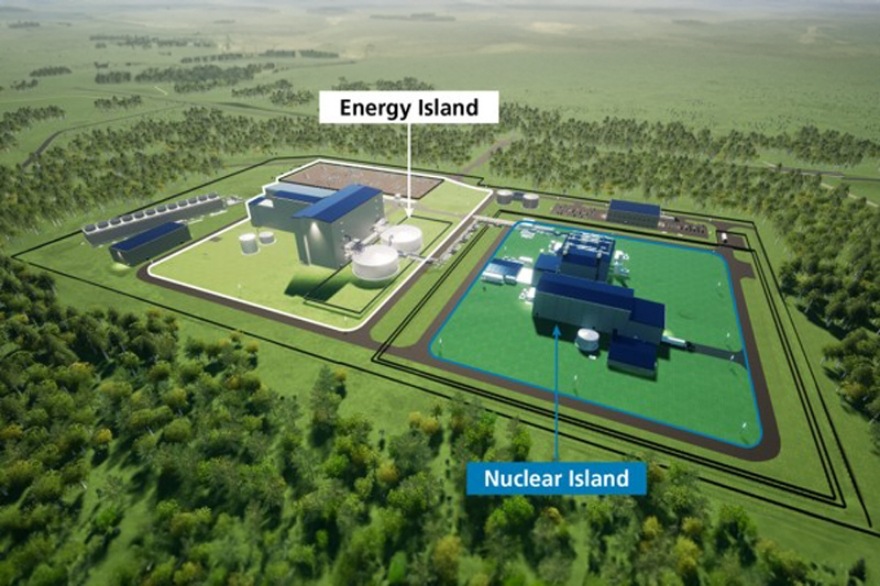
UK regulators have been formally asked to start a Generic Design Assessment of TerraPower’s Natrium reactor, a 345MWe sodium‑cooled fast reactor with integrated molten salt energy storage. The design, backed by Bill Gates and developed with GE Hitachi, couples a liquid sodium primary loop with a molten salt heat storage system to shift output up to around 500MWe during peak demand. For UK civil and nuclear engineers, this signals potential future projects involving non‑water coolants, high‑temperature materials behaviour, and novel seismic and thermal design requirements for reactor and storage structures.
A £7.9M upgrade of track and signalling on the southern approach to Manchester Piccadilly has been completed within a planned intensive nine‑day blockade, allowing full passenger services to resume on Monday. Network Rail engineers renewed key track components and signalling assets under continuous possession, avoiding multiple weekend closures on this heavily trafficked corridor. The concentrated works window reduces long‑term maintenance access needs and should improve asset reliability and operational resilience on one of the North West’s busiest station approaches.
Bronze bushings, long used in mining equipment for their conformability and sliding behaviour, are being critically re-evaluated by Sibo against steel bushings for applications subject to high loads and shock. The assessment focuses on wear mechanisms, contact pressures and lubrication regimes in components such as crusher shafts and mill trunnions, where impact loading and contamination rapidly degrade soft alloys. Sibo points to steel bushings with engineered surface treatments and tighter clearances as offering longer service intervals and more stable alignment, but requiring stricter shaft hardness and lubrication control.
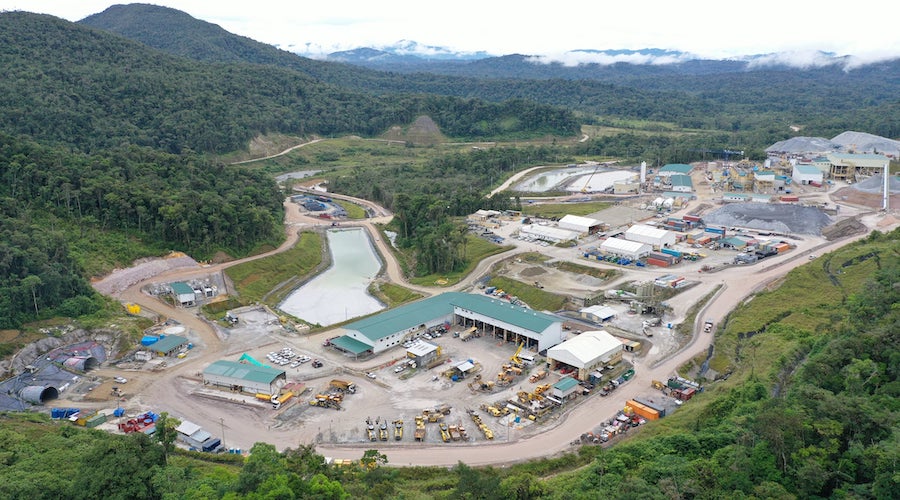
B2Gold will see founder and CEO Clive Johnson retire at its 4 June AGM, with long-time CFO and senior vice-president of finance Mike Cinnamond stepping up as chief executive and joining the board while Johnson stays on as chair emeritus. The leadership shift comes as 2025 consolidated gold output reached 980,000 oz at cash costs of US$736/oz and full-year AISC of US$1,584/oz, above guidance due to higher sustaining capex. For 2026, B2Gold guides 820,000–970,000 oz at a sharply higher AISC of US$2,400–2,580/oz, while planning crushing circuit modifications and throughput studies to 4,000 t/d at Goose in Nunavut and targeting first gold from the Fekola regional permit in Mali in H2.
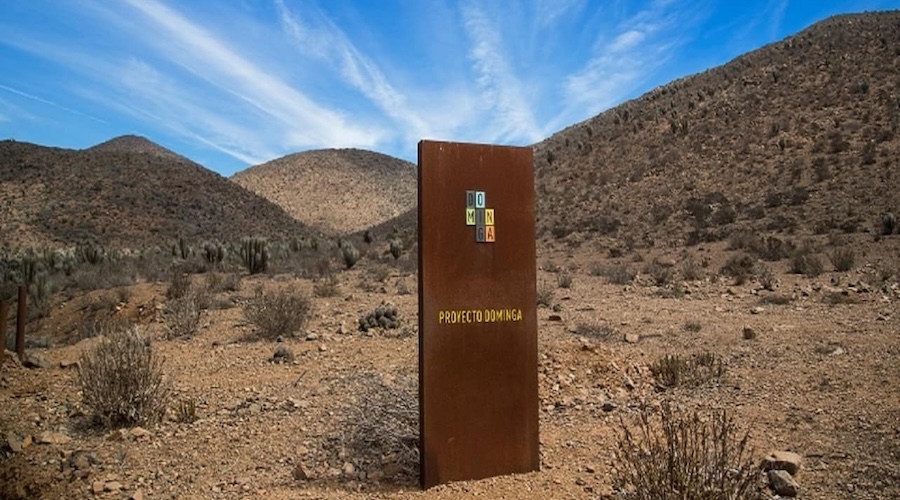
Andes Iron’s $2.5 billion Dominga project has been pushed back into legal limbo after the Antofagasta Court of Appeals annulled a First Environmental Court order instructing Chile’s Committee of Ministers to re-vote on the mine and port, ruling the enforcement move inadmissible and procedurally flawed. The 26.5-year project, comprising two open pits and a dedicated port in Coquimbo, is designed to produce 12 Mt/y of high-grade iron concentrate and 150,000 t/y of copper concentrate near the Humboldt Penguin National Reserve. The case returns to a ministerial committee that has already rejected Dominga three times, reinforcing investor concerns over Chile’s $105 billion mining project backlog and permitting risk.
Tungsten prices have jumped from about $300/t to roughly $1,775/t for ammonium paratungstate in a year as Chinese exports, including APT, collapsed to near zero in late 2025 and global inventories ran critically low, BMO’s George Heppel and Helen Amos report. With China still supplying around 75% of the market and facing ore grade decline, tighter environmental controls and export restrictions, BMO expects another deficit in 2026 and sees only modest near‑term relief from artisanal mining and limited recycling growth. The bank argues that sustained prices well above historical norms will be needed to finance new mines such as Dahutang and stabilise long‑term supply for manufacturing, mining and defence.
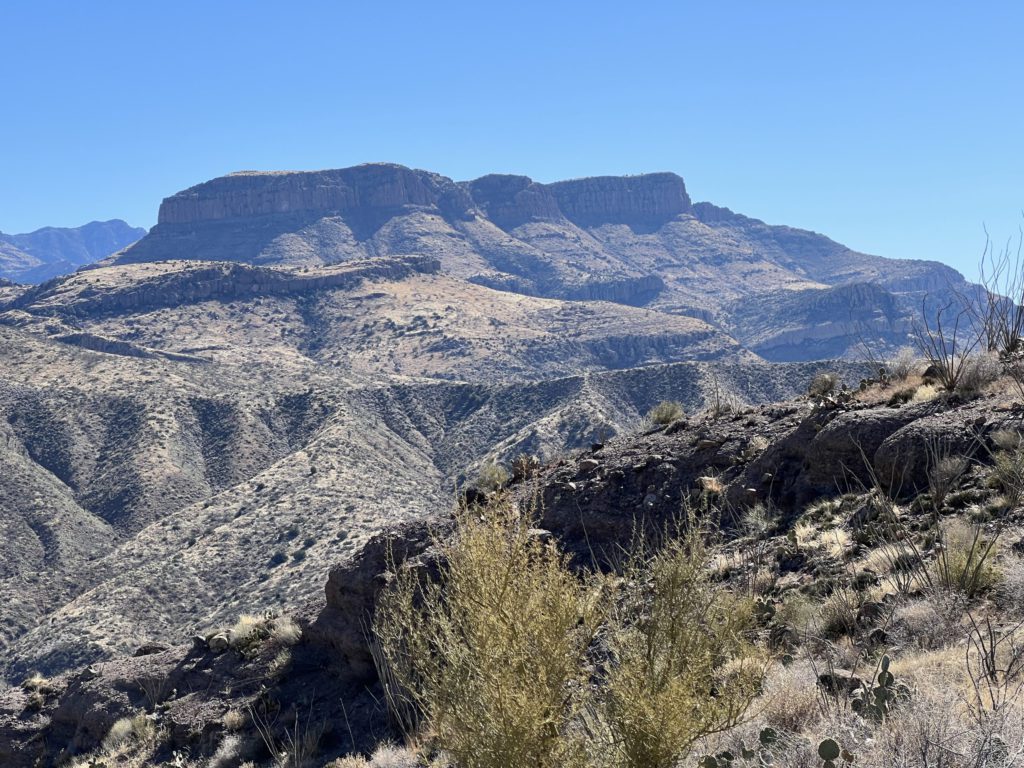
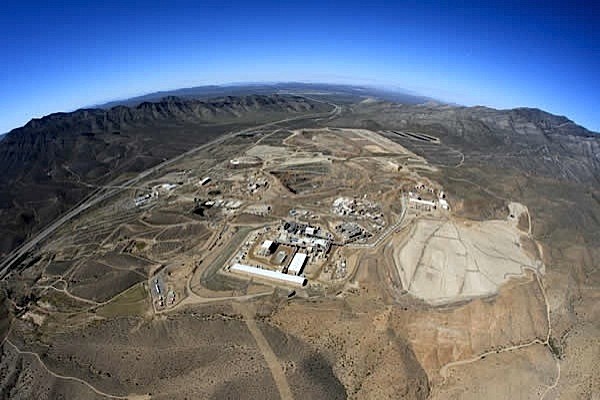
Faraday Copper is raising C$100 million via a private placement of up to 23.81 million shares at C$4.20, fully backed by the Lundin Family Trusts and BHP Group, to fund its Arizona copper portfolio and costs tied to acquiring BHP’s San Manuel property. The all‑share San Manuel deal gives BHP 30% of Faraday (about C$300 million implied value) and consolidates San Manuel, a former block cave and open‑pit mine with an estimated 14 billion lb. copper, with the 422 Mt Copper Creek porphyry (0.48% CuEq). Haywood now models a combined district producing 100,000–150,000 t/y copper for decades, lifting its target to C$5.50 as Faraday’s market cap hits C$1.13 billion.
Lundin Gold is selling a silver stream on the Fruta del Norte mine in Ecuador to LunR Royalties for about C$670 million in newly issued LunR shares, monetising a byproduct that currently contributes only 1–2% of revenue from forecast 2026 silver output of 500,000–600,000 oz. The deal grants LunR 100% of payable silver until 12.2 million oz. are delivered, 50% until a further 7.8 million oz., then 7.5% for the remaining 12-year mine life, effective 1 March. LunR’s market capitalisation of roughly C$1.5 billion and this life-of-mine, uncapped stream position it as what management calls the sixth-largest precious metals royalty and streaming company globally, adding long-term optionality on FDN’s near-mine expansion and 8.9 million oz. silver reserve base.
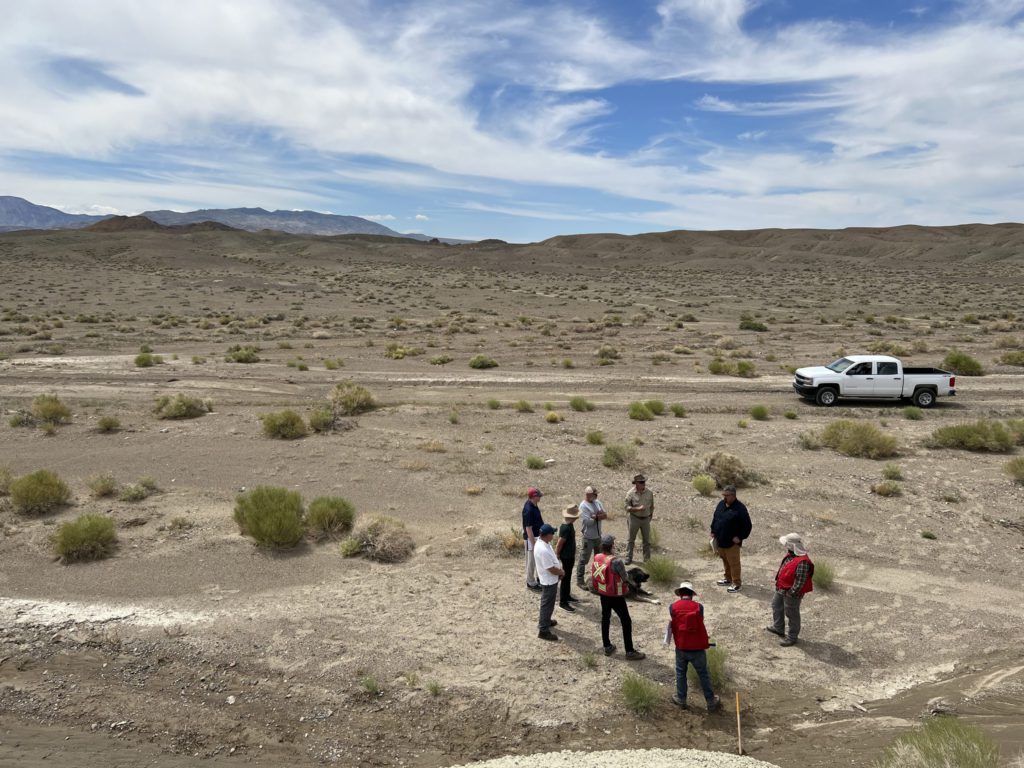
An updated feasibility study for Century Lithium’s Angel Island claystone project in Nevada lifts post-tax NPV (8% discount) by one-third to US$4.01 billion and cuts initial capex about 35% to US$997 million, delivering a 27% IRR at a lithium carbonate price of US$24,000/t. The plan outlines a 40-year mine using hydrochloric acid leaching and chlor-alkali processing, producing 26,500 t/y of battery-grade lithium carbonate from 7,500 t/d ore in stage one, doubling throughput in year five. Co-product NaOH credits of US$5,393/t are expected to drive net operating costs below zero, with reserves of 287.65 Mt at 1,149 ppm Li (1.759 Mt LCE).
British Columbia’s Critical Minerals Office has fast-tracked three projects for early environmental assessment co-ordination: Northisle Copper and Gold’s North Island copper-gold project at Port Hardy, Surge Copper’s Berg copper-molybdenum project in the Tahtsa Ranges, and Defense Metals’ Wicheeda rare earths project near Prince George. North Island and Berg each carry PEAs with about C$2 billion after-tax NPV (7–8% discount), with North Island’s three deposits totalling 6.3 billion lb copper-equivalent and Berg scoped as a 30-year, 191 million lb/year Cu-eq operation. Wicheeda’s pre-feasibility study outlines 25.5 million tonnes at 2.4% TREO, a 15-year mine life producing 31,900 tonnes TREO concentrate annually, and a C$1 billion after-tax NPV.
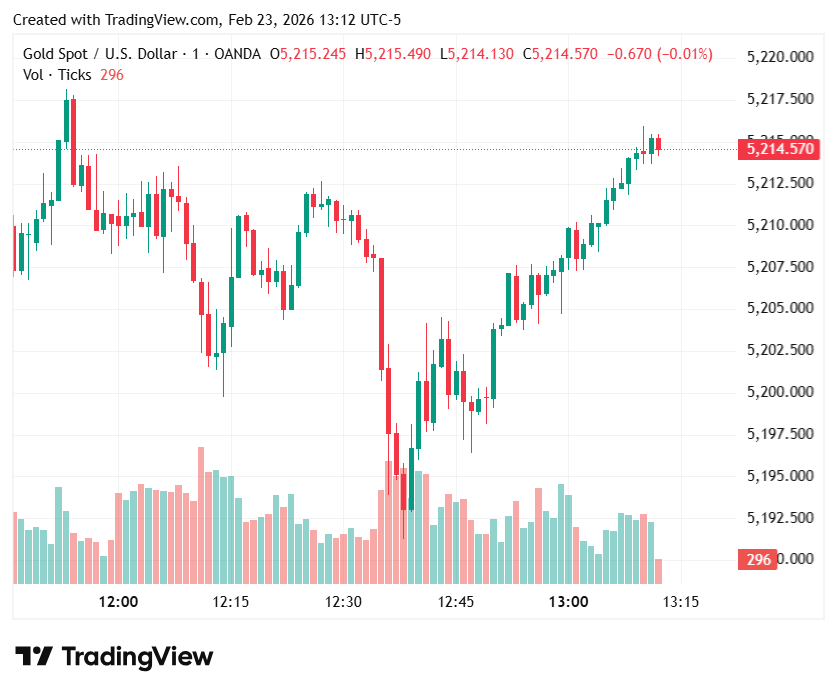
Gold prices broke above $5,200/oz on Monday, with spot gold up nearly 2% to $5,205.06/oz and silver gaining 3% to over $88/oz, as markets reacted to US trade policy uncertainty and Middle East tensions. President Donald Trump’s plan for a new 15% global tariff following a Supreme Court ruling against his emergency powers has pushed investors towards bullion over sovereign bonds and major currencies. OCBC strategist Vasu Menon expects further price volatility, with any escalation in US–Iran nuclear talks likely to add additional safe-haven demand.
Antidumping duties under the US Tariff Act of 1930 are proposed as a floating “price-gap” mechanism to counter China’s below-cost exports of rare earths and other USGS-designated critical minerals, with duties rising automatically as Chinese export prices fall. Erik Groves, corporate strategy and in-house counsel at Morgan Companies, argues this would extend the logic of the US Department of Defence’s floor-price agreement with MP Materials at Mountain Pass without Washington acting as buyer of last resort. Coordinated antidumping actions by the US, EU, Canada, Australia, Japan and South Korea could establish de facto price floors across multiple Western markets.
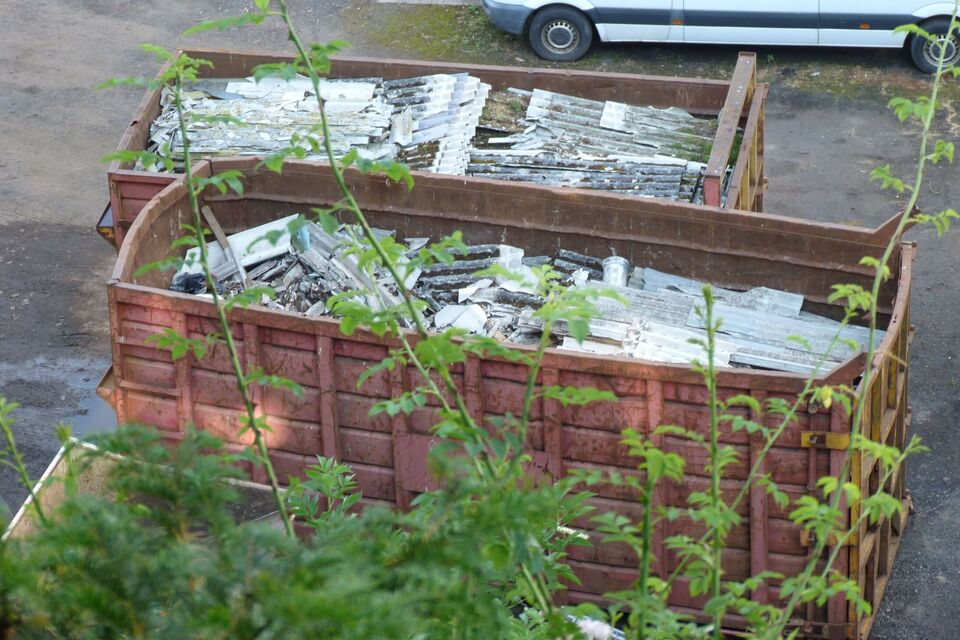
Demolition contractor Reddem Ltd has been fined £4,000, with £4,000 costs and a £1,600 victim surcharge, for operating an illegal asbestos waste site at The Old Gas Works Yard in Wooler, Northumberland, without an environmental permit. Environment Agency and HSE inspections in June 2023 found nine skips with asbestos-containing demolition waste stored in open containers, contrary to requirements for double-bagging and sealed, enclosed skips. More than 40 tonnes of asbestos material were subsequently removed to a permitted facility, signalling continued strict enforcement of asbestos handling and waste permitting rules on demolition projects.