Geomechanics, Streamlined.
© 2026 Geomechanics.io. All rights reserved.
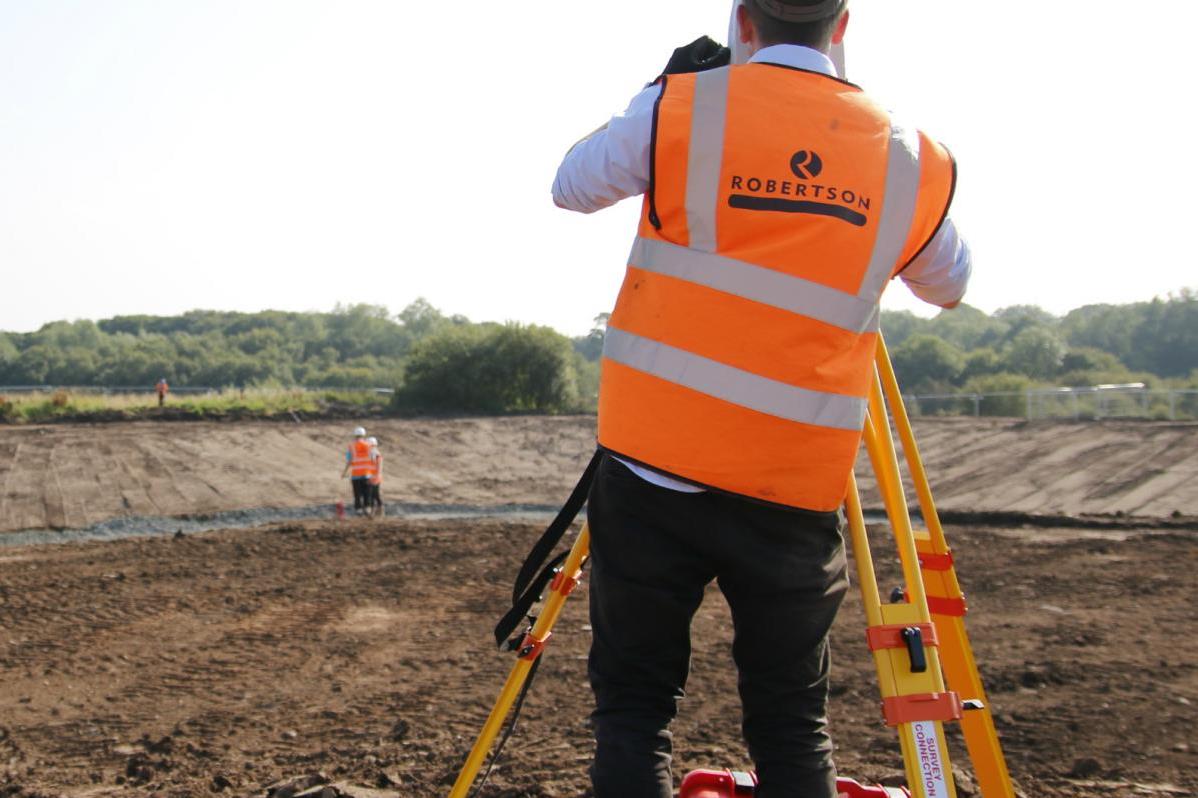
Highland Council has appointed Morgan Sindall, Morrison Construction, Robertson Group and Ogilvie as preferred main contractors for the first seven “point of delivery” community hub projects under its £2.1bn, 20-year Highland Investment Plan, including PoDs at Beauly Primary, Charleston Academy, Dingwall Primary/St Clements, Fortrose Academy, Inverness High School, Thurso and Tornagrain Primary. The programme, funded by capital investment plus 2% ring-fenced council tax revenue and targeting £750m in the first five years, consolidates schools, offices and depots into a single public estate model. Early contractor involvement with architects NORR and Holmes Miller and consultants such as AtkinsRéalis, Fairhurst and Turner & Townsend will shape consultation, design and pre-planning, with significant implications for site servicing, phasing and long-term asset performance across dispersed Highland communities.
Willmott Dixon Interiors has secured preconstruction services to complete RIBA Stages 3–4 design for the major refurbishment of London Fire Brigade’s Grade II listed headquarters at 8 Albert Embankment, originally built in 1937. Works will include full replacement of plumbing, wiring, windows and roof, re-cladding of a 1980s control-room extension, new passenger lifts and internal partitions, plus complete refurbishment of appliance bays and the basement. Lambeth Fire Station, occupying ground to second floors, will temporarily vacate when construction starts in mid‑2027, with arrangements to keep the nearby river fire station operational.
Assessing dam failure risk with WTW takes centre stage in the latest Engineers Collective podcast, focusing on how insurers and engineers jointly quantify breach probabilities and downstream consequences for large embankment and concrete gravity dams. Discussion covers use of probabilistic risk assessment, portfolio-level screening tools and event trees to evaluate failure modes such as overtopping, internal erosion and spillway degradation under extreme rainfall. The episode also examines how updated risk metrics influence capital maintenance planning, emergency drawdown provisions and prioritisation of dam safety upgrades.
AFC Bournemouth will begin major construction this summer on a phased redevelopment of its Vitality Stadium, increasing capacity from 11,286 to just over 20,000 seats. The scheme is expected to involve new or expanded stands, revised circulation and egress routes, and upgraded spectator facilities to meet current Premier League and safety requirements. Phasing will be critical to maintain match-day operations, so contractors will need tightly sequenced works, temporary structures and careful interface management with existing foundations and services.
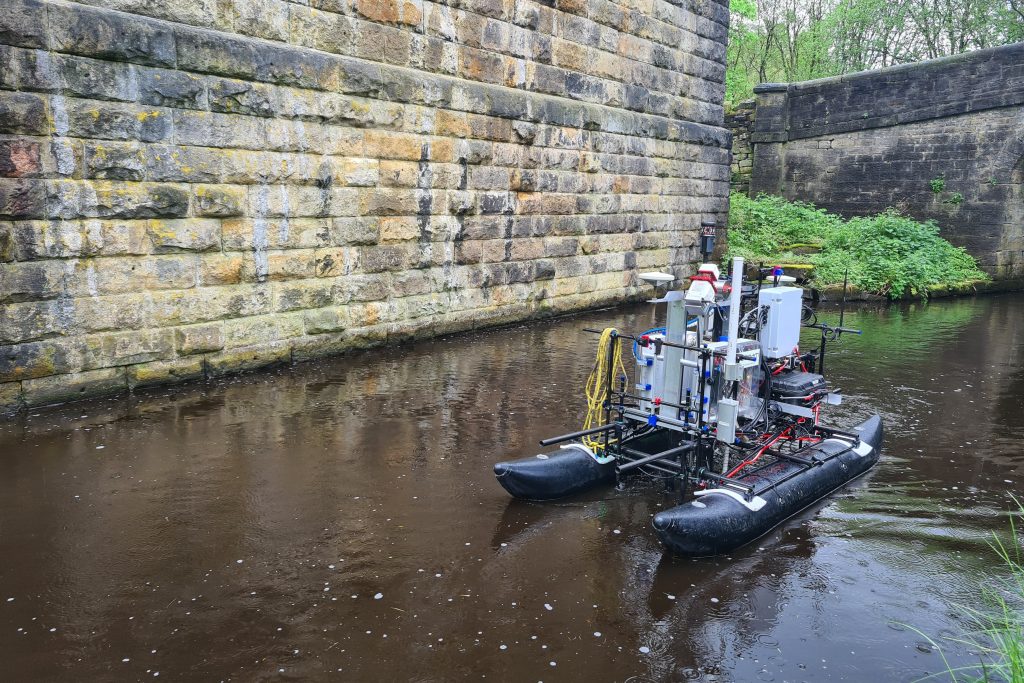
More than 500 UK railway bridges currently classed as high scour risk and routinely closed when river levels exceed trigger depths are being reassessed using new technology deployed by Network Rail. The system combines real‑time river level monitoring with updated hydraulic and geotechnical scour models to refine closure thresholds for individual structures. For bridge and asset engineers, this could reduce unnecessary line blockages while tightening controls on foundations with limited embedment or historic masonry piers in highly erodible alluvium.
Brazilian chromite and ferroalloys producer FERBASA has taken delivery of Brazil’s first Caterpillar R2900XE diesel-electric LHD for its Ipueira underground operation, part of the Campo Formoso–Andorinha mining complex in Bahia state. The 15 t-class R2900XE, which combines a diesel engine with electric drive and regenerative braking, is expected to cut fuel burn and heat load compared with conventional mechanical-drive loaders in FERBASA’s narrow-vein chromite stopes. For mine planners and maintenance teams, the move signals growing interest in high-efficiency, lower-ventilation-load fleets in deep Brazilian underground mines.
Zijin Golden Ridge has deployed five SANY SET150S off‑highway hybrid mining trucks at its Akyem operation in Ghana, assembled locally by SANY West Africa as part of a carbon‑neutral fleet strategy. The SET150S platform typically combines a diesel engine with electric drive and regenerative braking, targeting double‑digit fuel savings and lower haul‑fleet emissions compared with conventional diesel trucks of similar payload class. For mine planners and maintenance teams, the move signals growing demand for high‑voltage electrical support, revised haul profiles, and updated lifecycle cost models on West African gold projects.
Advanced Navigation has launched Chimera Land, a 3D Laser Velocity Sensor (LVS) navigation system engineered to maintain precise vehicle positioning in deep, dark, unmapped underground mines where GPS is unavailable. The Sydney-based autonomous systems specialist uses laser-based velocity and 3D motion sensing to track equipment location without reliance on surface beacons or pre-existing maps. For mine operators, this targets drift development, production drilling and autonomous haulage in complex headings where conventional GNSS/INS solutions lose accuracy.
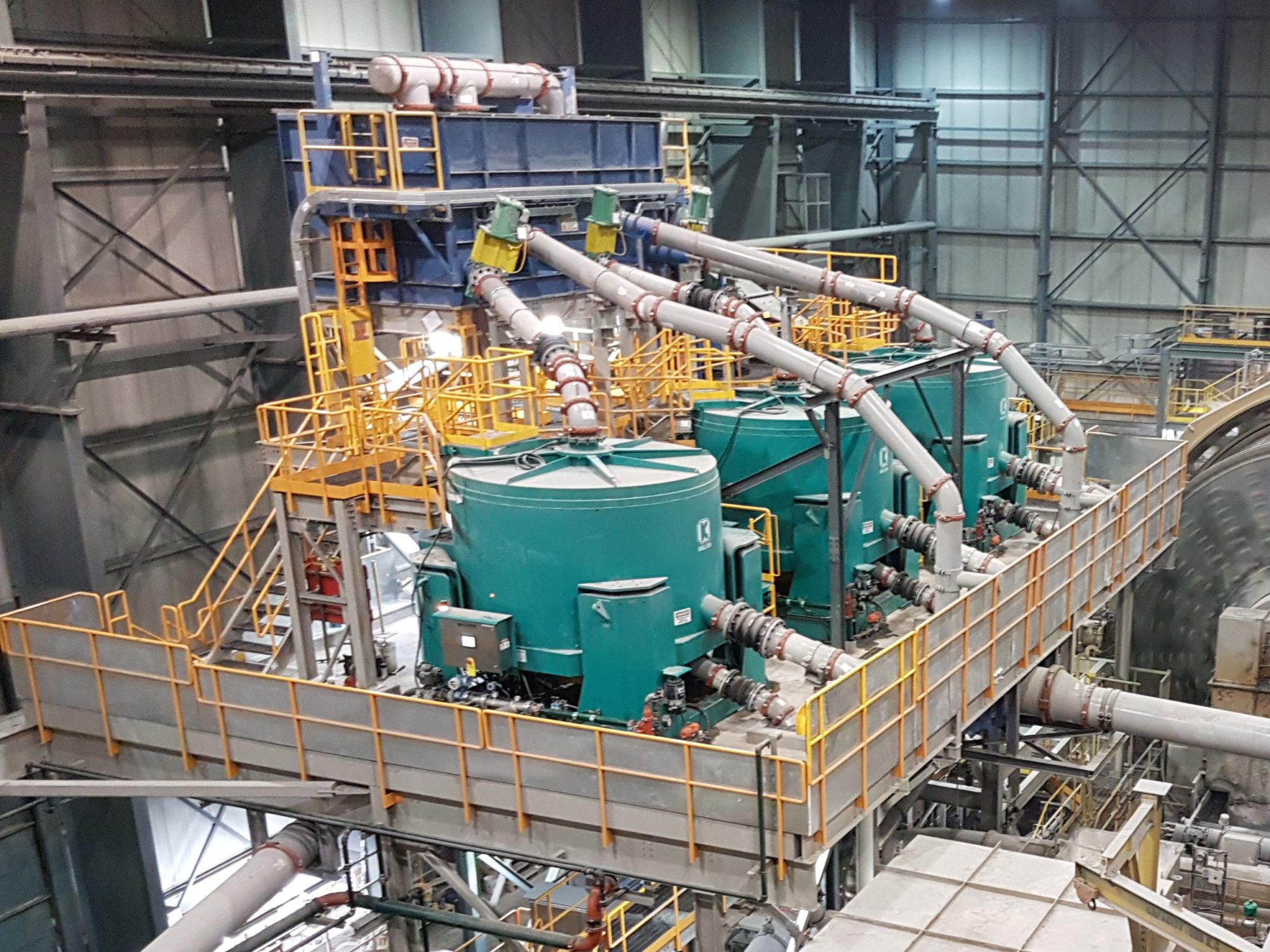
FLS product manager Chris Arnold says high gold prices are driving miners to maximise gravity-recoverable gold (GRG) using Knelson Concentrators in mill circuits rather than relying solely on cyanide leaching. Plants that previously treated only a small bleed of the mill circulating load are now considering full-stream or multiple Knelson installations, targeting GRG often above 50–70% of total gold in suitable ores. The shift demands tighter cyclone control, upgraded pump capacity and careful integration of intensive leach reactors for the Knelson concentrate.
Metso Corporation and Loesche GmbH have formed an exclusive partnership to deploy Metso Loesche VRM dry grinding technology across a wide range of mineral processing circuits. The agreement couples Loesche’s vertical roller mill design, proven in cement and industrial minerals, with Metso’s end-to-end flowsheet engineering and global service network to offer fully dry comminution and classification. For mine operators, the VRM-based dry route targets reduced water use, lower specific energy consumption versus conventional SAG/ball mill–HPGR setups, and a smaller plant footprint.
Navoi Mining and Metallurgical Company (NMMC) is expanding in-house engineered high-capacity belt conveyor systems across its Uzbek open pits and hydrometallurgical plants to cut haulage costs for rock mass moved to both permanent and temporary stockpiles. The group is standardising designs, components and controls across multiple conveyor lines rather than relying on turnkey OEM packages, allowing closer integration with existing crushing stations and leach pads. For mine planners and mechanical teams, the approach signals more emphasis on life-cycle cost, maintainability and local fabrication capability in bulk materials handling.
New Afton copper-gold mine in British Columbia is rolling out an Ambra Solutions private LTE and 5G network to support a major underground digitalisation push across one of New Gold’s two core assets. The high-bandwidth, low-latency system is being installed through complex underground headings to enable real-time telemetry, high-definition video and remote control of mobile equipment. For mine engineers, the move signals rapid expansion of data-dependent applications such as autonomous or tele-remote loaders, location tracking and condition monitoring in a deep, geotechnically challenging orebody.
STRABAG subsidiary ZÜBLIN has secured two contracts worth a combined €800 million from Codelco for the Chuquicamata Underground Mine “Mina Norte”, one of its largest Chilean mining projects. The work forms a core part of converting Chuquicamata from the world’s largest open-pit copper mine into a long-life underground operation, with completion targeted for 2031. For geotechnical and civil contractors, the scale and schedule signal sustained demand for large-diameter underground excavations, ground support, and complex underground logistics in the Atacama’s high-stress, arid conditions.
Capital has secured a new waste-stripping contract at AngloGold Ashanti’s Sukari gold mine in Egypt, expanding its mining services portfolio alongside existing drilling and laboratory work. The award follows Capital’s recent fund-raising, with the company now starting to deploy this capital into additional fleet and capacity to meet what Executive Chairman Jamie Boyton calls a “highly favourable demand environment”. For mine planners and contractors, the move signals continued large-scale waste movement at Sukari and stronger competition in integrated drill–mine–lab service packages.
Agile geoscience workflows are being used by Lundin Gold at the Fruta del Norte underground mine in Ecuador’s Cordillera del Cóndor to target extensions of a blind, high-grade gold system concealed beneath more than 200 m of cover. Integrated 3D modelling, rapid iteration of structural interpretations and near-real-time incorporation of new drillhole data are guiding step-out drilling across the wider land package. For geologists and resource modellers, the approach tightens feedback between drilling, geology and targeting, improving confidence in subsurface geometry in a complex, concealed ore system.
Caterpillar Product Support Manager Jeremy Byrd details how field trials of battery‑electric and trolley‑assist haul trucks are shaping the company’s electrification support model for large open pits. Recurrent customer questions centre on duty‑cycle modelling, charger placement around shovel faces and dumps, grid stability for multi‑megawatt fast chargers, and integration with existing diesel fleets. Byrd points to early projects using Cat® MineStar™ data, real‑time energy monitoring and iterative route redesign as critical for sizing on‑board energy storage and planning phased infrastructure roll‑outs.
Codelco’s El Teniente Division has deployed the Kinamics Arkytas MU-2.1 remote-controlled robot to survey new mining fronts in the Esmeralda mine, operating directly at advancing tunnel faces targeted for a zero-exposure environment. The tracked unit carries cameras and geotechnical sensors into unsupported headings to characterise rock mass conditions and verify excavation profiles before personnel entry. Early use focuses on newly blasted development drives, indicating scope to integrate robotic mapping with drill-and-blast design, ground support selection and re-entry protocols in high-risk zones.
Tablet-based Microlog Analyzer DBX from SKF delivers four-channel, 64 kHz vibration analysis for serious rotating-equipment troubleshooting and route-based data collection in mining plants. The rugged handheld unit combines high-resolution FFT, time waveform and envelope analysis with large onboard memory and app-based workflows for bearings, gearboxes and motors. For reliability engineers, the system enables faster root-cause diagnosis on critical assets such as crushers, conveyors and mills, reducing unplanned downtime and supporting condition-based maintenance strategies.
Volvo Construction Equipment has launched the latest generation ECR355 short swing excavator, designed to deliver higher precision digging and loading in constrained benches and tight quarry faces. The updated 35-tonne-class machine pairs a reduced tail swing radius with refined electro-hydraulic controls and factory-integrated machine control, improving cycle accuracy while limiting rework and bench overbreak. For mine and quarry operators, the compact slew envelope and improved control package enable closer working to highwalls, narrower haul road widths and denser plant layouts without sacrificing production rates.
BHP chief executive Mike Henry has reaffirmed the company’s iron ore advantage, citing world‑leading EBITDA margins and stronger free cash flow from its Western Australia Iron Ore (WAIO) operations compared with Rio Tinto and Vale. He pointed to sustained low unit costs across BHP’s Pilbara hubs and a high proportion of lump and premium fines products as key drivers of realised price and margin resilience through the cycle. For mine planners and process engineers, the message is continued emphasis on low‑strip orebodies, efficient rail‑port integration and product quality control to defend cost and price premia.
Lynas Rare Earths has reported record profits on the back of surging global demand for rare earth oxides used in permanent magnets for EV motors and wind turbines, enabling accelerated expansion of its Mt Weld mine and downstream processing. CEO Amanda Lacaze is pushing ahead with capacity growth at the Western Australian concentrator and the new Kalgoorlie cracking and leaching plant, designed to reduce reliance on offshore processing. For mine planners and process engineers, the move signals sustained demand for high-grade monazite-hosted rare earth ores and long-term justification for beneficiation and hydrometallurgical upgrades.
Glencore has opened applications for its 2027 graduate programme, offering two-year rotations across underground and open-cut operations, processing plants and corporate technical teams at its Australian copper, coal and zinc assets. Graduates in mining, geotechnical, mechanical, electrical and process engineering, plus environmental science and metallurgy, will be placed at sites such as Mount Isa Mines and the Hunter Valley coal operations, with structured mentoring and chartered status support. The intake targets students graduating in 2026, with applications now open via Glencore’s careers portal.
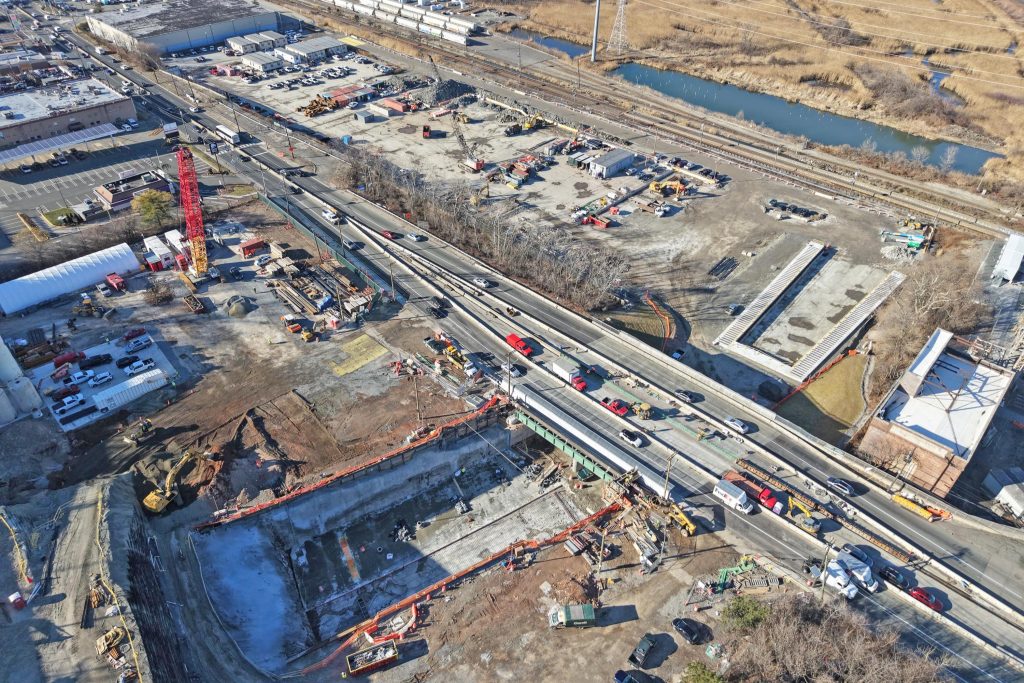
Work on New York’s $16bn Hudson Tunnel Project has restarted after a court order released federal funding, allowing the Gateway Development Commission to re‑activate nearly 1,000 construction and design jobs. The scheme will deliver a new twin‑track rail tunnel beneath the Hudson River and rehabilitate the existing 110‑year‑old North River Tunnel, a key Amtrak and NJ Transit bottleneck. Geotechnical teams will resume riverbed excavation and ground treatment, while structural works will focus on upgrading ageing linings, drainage and power systems without extended shutdowns.
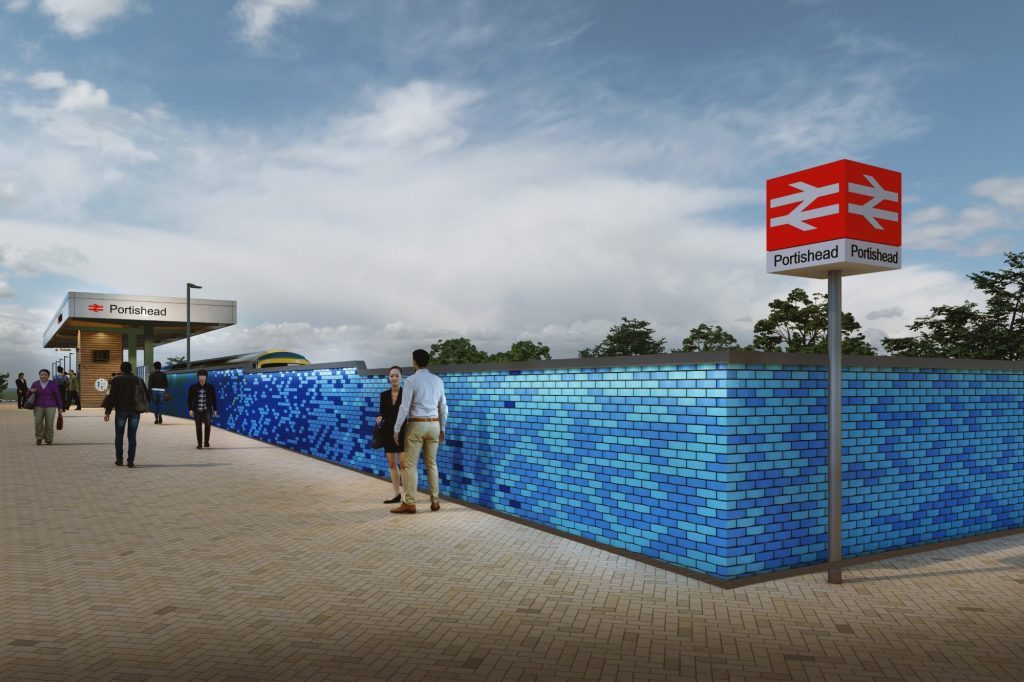
Main construction to restore passenger services on the Portishead–Bristol railway will start in April, as contractors move from enabling works to full track, civils and systems installation on the disused corridor. The scheme, part of MetroWest, involves reinstating roughly 5km of railway between Portishead and Pill, upgrading the existing freight line from Pill to Parson Street Junction, and delivering new stations at Portishead and Pill. Key technical tasks include earthworks on previously infilled cuttings, drainage upgrades, new signalling and telecoms, and structural checks on legacy bridges and retaining walls.