Moonshot metals scramble: alloy demand and specs explained for project engineers
Reviewed by Joe Ashwell
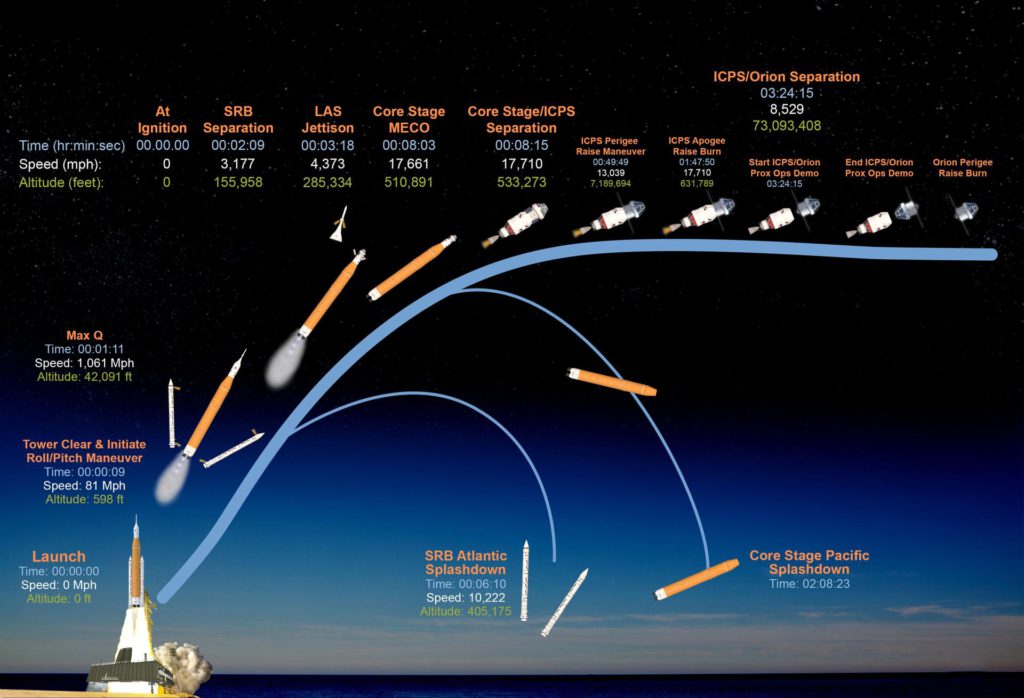
First reported on MINING.com
30 Second Briefing
NASA’s Orion spacecraft programme is driving demand for advanced alloys, with aluminium‑lithium in the crew module to cut mass, titanium for primary structural members, and nickel‑based superalloys in engines to withstand extreme thermal loads. These specifications exemplify how deep-space missions are tightening requirements on fatigue life, high‑temperature creep resistance and weldability in lightweight alloys. For miners and metallurgical suppliers, the mix of Al‑Li, titanium and high‑nickel feedstocks signals sustained demand for high‑purity ores and tightly controlled processing routes.
Technical Brief
- Aluminium‑lithium in Orion must tolerate deep‑space thermal cycling and vacuum‑driven microcracking over multi‑year missions.
- Welded joints in Al‑Li pressure shells require tight porosity and distortion control to maintain cabin leak‑tightness.
- Titanium structural members are sized to survive launch g‑loads plus off‑axis landing and splashdown impact events.
- Galvanic corrosion management between titanium, Al‑Li skins and fasteners drives strict material pairing and coatings.
- Nickel superalloy engine components face repeated start–stop cycles, demanding low‑cycle fatigue resistance in oxidising exhaust.
- Superalloy grain structure and inclusion cleanliness are controlled to prevent crack initiation at stress concentrators.
- Qualification of each alloy batch for Orion involves extensive coupon testing under cryogenic and elevated temperatures.
- Similar deep‑space specifications are likely to cascade into commercial launchers, tightening aerospace‑grade metal supply chains.
Our Take
Aluminium‑lithium alloys and nickel‑based superalloys appear in only a small subset of the 50 recent Materials stories, signalling that this piece sits at the more specialised, aerospace‑grade end of metals coverage rather than bulk structural materials.
For practitioners, the clustering of ‘Projects’ and ‘Product’ tags around aluminium‑lithium and nickel superalloys in our coverage typically corresponds to upstream–downstream integration moves, where miners or metal producers seek closer links with OEMs to secure long‑term offtake for these niche, high‑value materials.
Prepared by collating external sources, AI-assisted tools, and Geomechanics.io’s proprietary mining database, then reviewed for technical accuracy & edited by our geotechnical team.
Related Articles


Related Industries & Products
Mining
Geotechnical software solutions for mining operations including CMRR analysis, hydrogeological testing, and data management.
CMRR-io
Streamline coal mine roof stability assessments with our cloud-based CMRR software featuring automated calculations, multi-scenario analysis, and collaborative workflows.
HYDROGEO-io
Comprehensive hydrogeological testing platform for managing, analysing, and reporting on packer tests, lugeon values, and hydraulic conductivity assessments.
GEODB-io
Centralised geotechnical data management solution for storing, accessing, and analysing all your site investigation and material testing data.