Geomechanics, Streamlined.
© 2026 Geomechanics.io. All rights reserved.
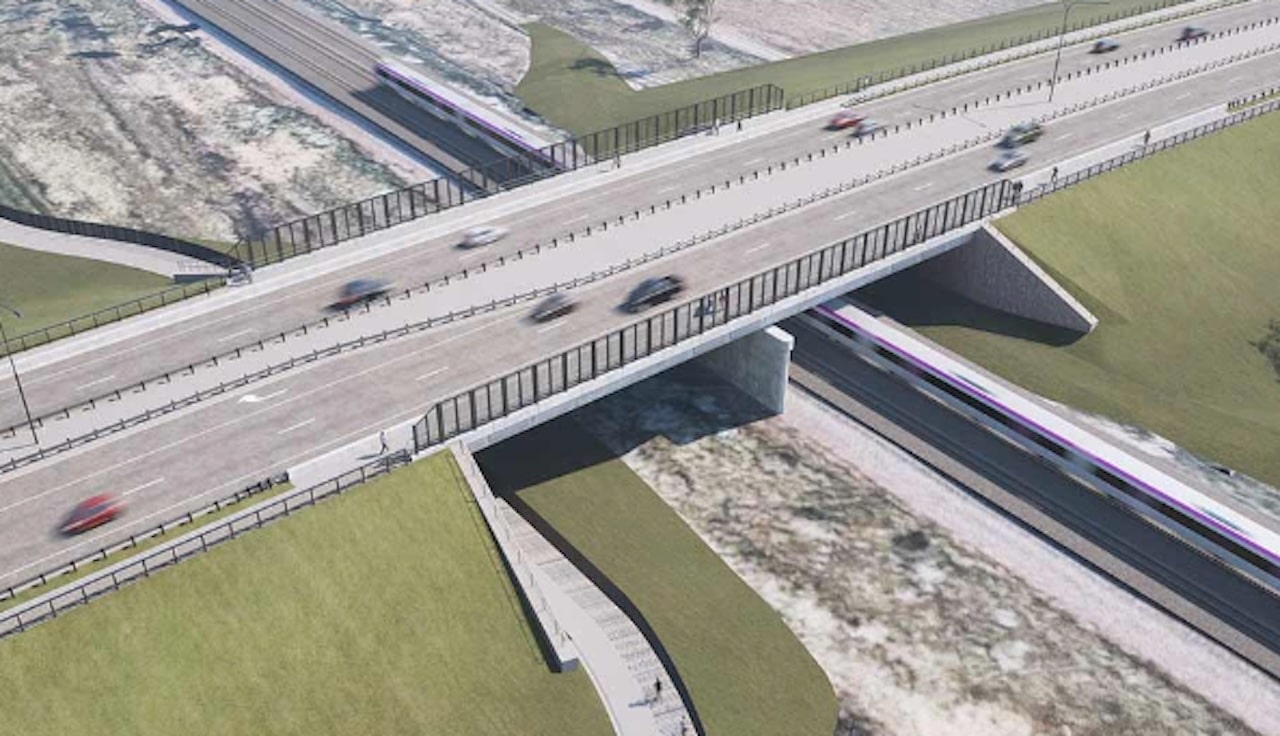
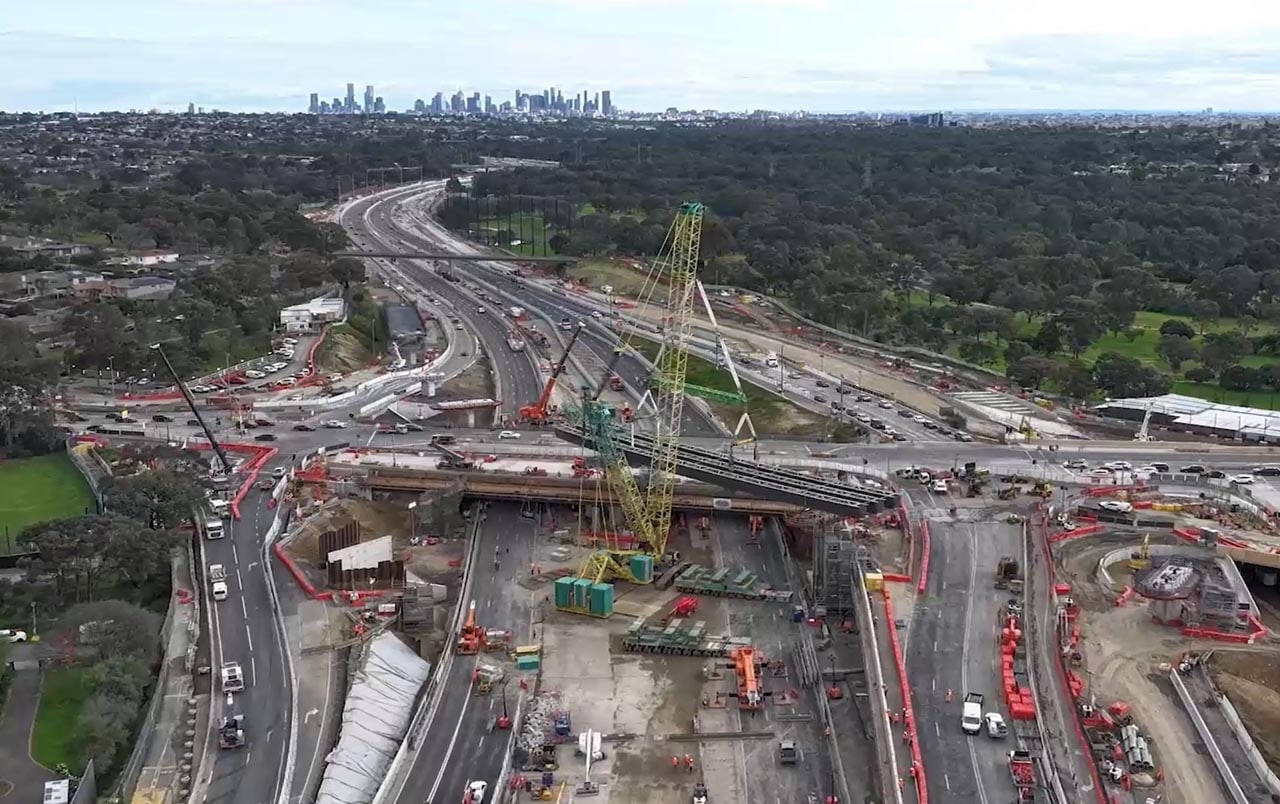
Victoria’s $194 million Ison Road project in Werribee has opened to traffic three months early, creating a new connection from the Wyndham growth area to the Princes Freeway. Delivered through a federal–state–local funding partnership, the link is designed to relieve pressure on existing north–south arterials and shorten commuter access to key employment and service centres. For civil and transport engineers, the early opening signals that major earthworks, pavement construction and interface works with the freeway were completed ahead of programme despite growth-corridor traffic and staging constraints.
The UK’s 100 leading construction firms are showing incremental strengthening despite geopolitical instability and sustained inflation in materials and labour costs. Larger contractors are absorbing price pressures through scale and stronger balance sheets, while smaller subcontractors and specialist suppliers further down the supply chain are struggling to remain viable. The widening resilience gap raises execution risk on major infrastructure and building projects, with potential for subcontractor failures, programme delays and tighter prequalification and payment practices.
Mace Consult has been appointed by Luton Rising to deliver programme, project, cost and commercial management services for the planned growth of London Luton Airport, signalling a move into detailed definition of future airside and landside works. The commission will shape phasing, constructability and budget control for runway, terminal and surface access upgrades in a highly constrained operational environment. Geotechnical and civil teams should expect strong emphasis on buildability around existing assets, night-time possessions and tight cost benchmarking for major earthworks and pavement rehabilitation.
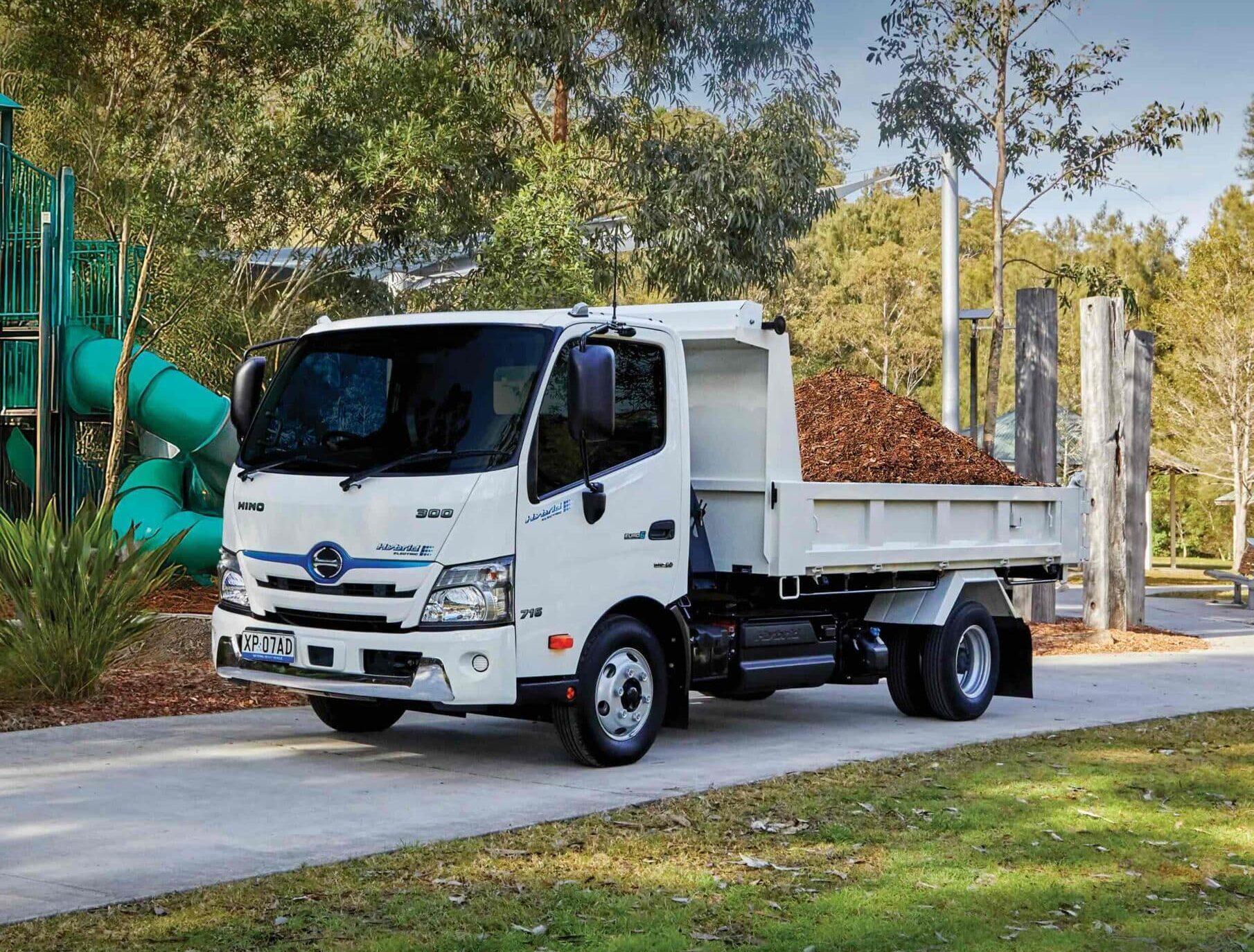
Hino is promoting its 300 Series Hybrid Electric trucks as a more practical option than full battery-electric for Australian commercial fleets facing less than 250-kilometre range limits and high charging infrastructure costs. The diesel-electric hybrid driveline targets urban and regional distribution tasks where stop–start duty cycles allow regenerative braking to cut fuel use and emissions without relying on public charging networks. For fleet engineers, the key appeal is lower upfront capital outlay than full BEVs while retaining conventional refuelling, known residual values and existing workshop practices.
Australian businesses facing higher funding costs, tighter bank credit and working capital strain are turning to insurance-backed trade credit facilities instead of cash-backed guarantees and traditional overdrafts. Credeq has launched in Australia as a global underwriting management agency, structuring credit insurance and related risk solutions that allow contractors and suppliers to unlock additional bank limits and free up cash tied in performance bonds or retention. For infrastructure and construction firms, this can support larger project pipelines and longer payment terms without breaching covenant or security constraints.
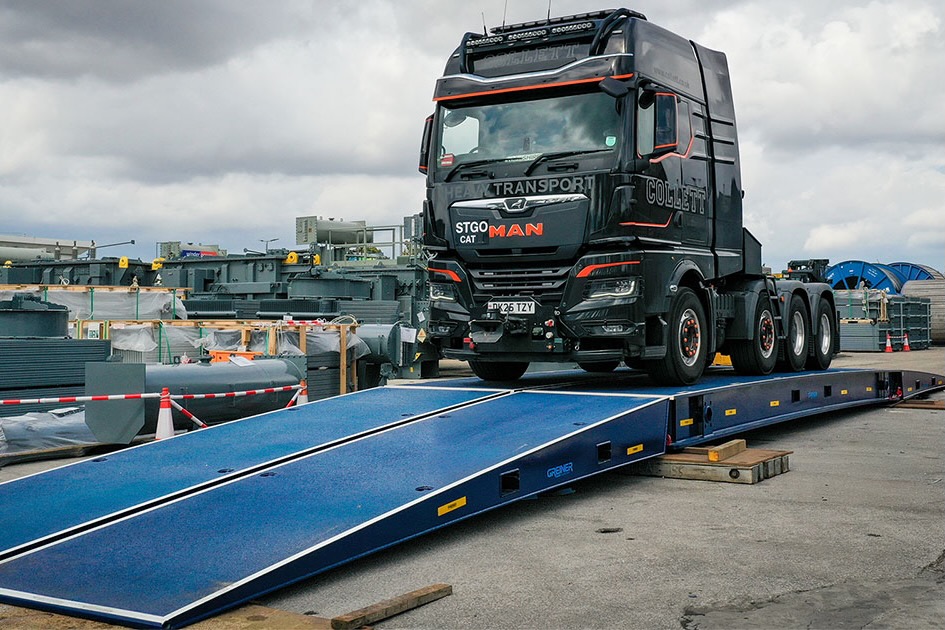
Heavy transport specialist Collett has added a Greiner Busy 1050 modular bridge-over-bridge system at its Goole depot, enabling heavy loads to cross weight-restricted bridges and culverts without transferring full axle loads to the existing structure. The system can overbridge spans up to 25 metres, with modular sections allowing shorter or extended configurations and a rated capacity of 1,050 metre/tonne, dependent on span and transport setup. Use will rely on Collett’s in-house engineering team, with the first deployment scheduled later this month.
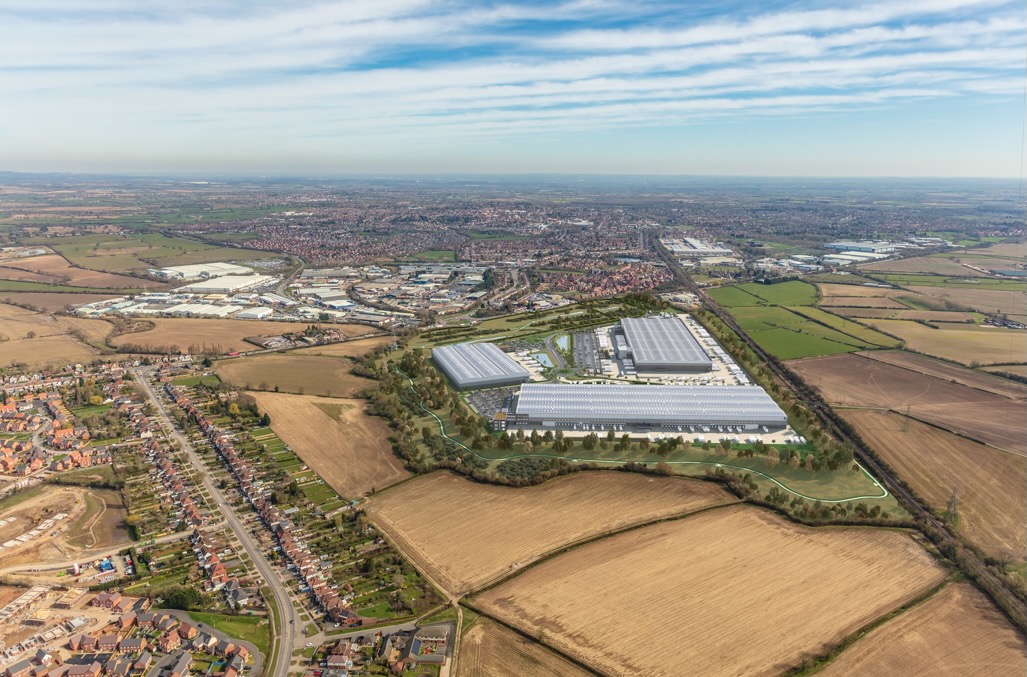
Mountpark has appointed McLaren Construction Midlands & North to deliver two distribution warehouses at its Hinckley logistics park in Leicestershire, a £48m second-phase scheme totalling 772,340 sq ft. Unit 2 will provide about 514,100 sq ft of warehouse space with standard and Euro dock loading on both east and west elevations, two transport hubs and 28,460 sq ft of offices, while Unit 3 will offer 258,248 sq ft, south-facing standard and Euro docks, one hub and 12,900 sq ft of offices. Works, which started in July 2026 with steel erection due in September and completion in spring 2027, also cover hardstanding, service yards, car parking, landscaping, mains services and drainage.
Pick Everard has expanded its 11-strong Building Safety Act team by appointing APS-registered Principal Designer Building Regulations (PDBR) Aditya Sardesai, who has led a 21-storey higher-risk building through Gateway 2 to Building Safety Regulator approval. A chartered CIOB member with site-based experience across UK hotel, leisure, residential, care and commercial schemes, Sardesai brings detailed knowledge of HRB building control processes and buildability constraints. He will lead compliance on several flagship new-build and remediation contracts, signalling tighter focus on Gateway 2 evidence, sequencing and cost/programme impacts for tall buildings.
Turner & Townsend has appointed Nima Nicolas Aase as regional managing director for Europe, tasking him with oversight of complex international and regional project and cost management programmes. Aase previously led the Nordics business, where he expanded real estate capabilities and built project teams in Sweden, Denmark, Norway and Finland. The move signals a push to scale consistent cost, schedule and risk management methodologies across multi-country infrastructure and real estate portfolios in Europe.
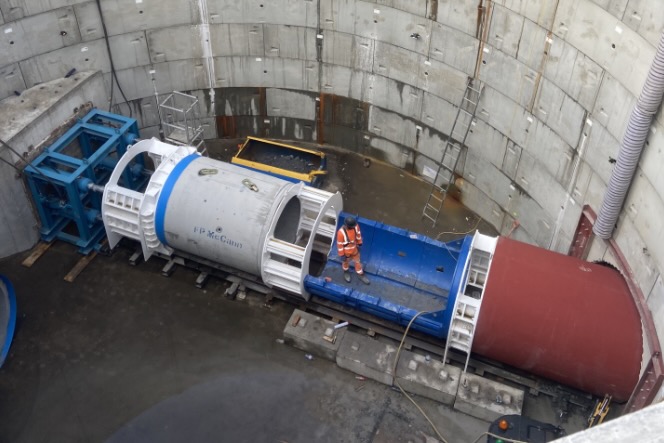
Tunnelling has begun on a 1,050ft, 1.8m-diameter storm-water tunnel beneath Brightside Lane to link two storage shafts more than 35ft deep and up to 40ft wide at Sheffield Forgemasters’ flood-prone site on the Lower Don Valley. JBA Bentley will intercept the Victorian Bagley Brook culvert with a new weir chamber, diverting excess flows to a pumping station beside the River Don and discharging up to 8,000 litres per second via a new outfall and modified flood wall. The scheme is a planning requirement for Forgemasters’ new 13,000-tonne forging line adjacent to the Midland Mainline.
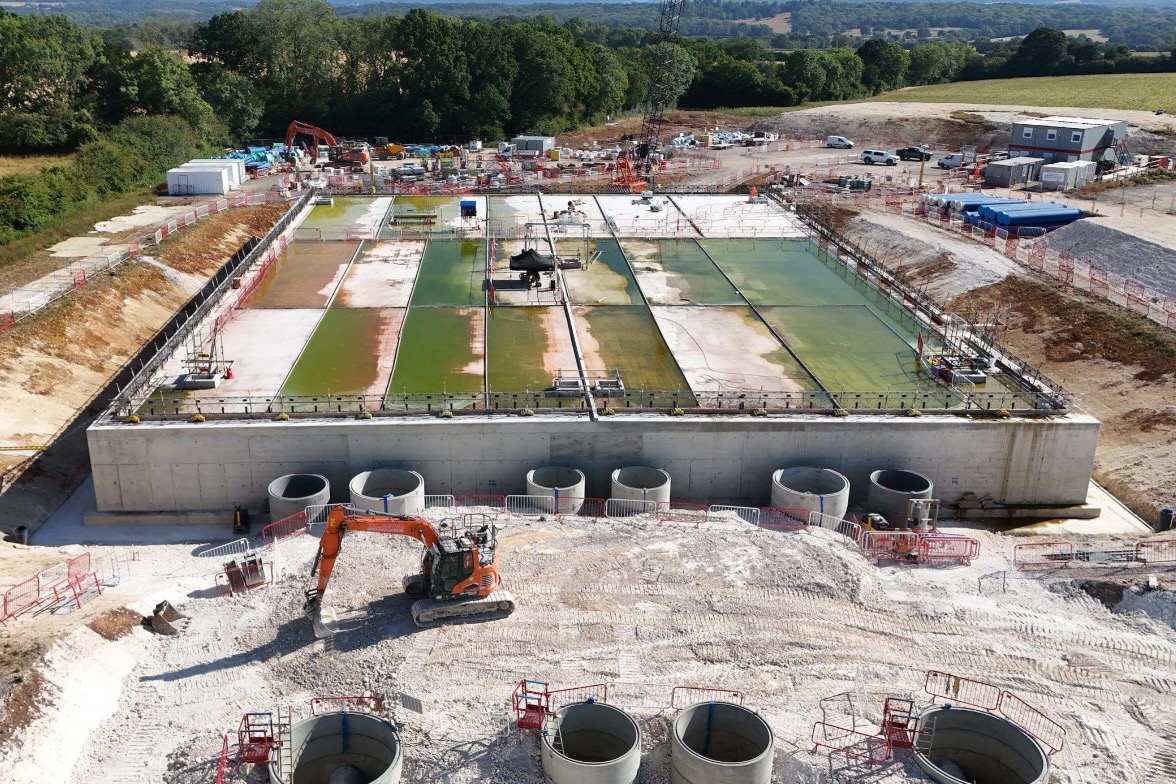
Southern Water has unveiled the soon-to-be-filled Yew Hill Reservoir, a twin-cell structure designed to store 9m litres of potable water, supported by more than 170 internal columns and built with over 3,500m³ of concrete and 650t of steel by MGjV (M Group and Galliford Try). The reservoir forms a key node in the £100m Southampton Link Main, which includes a new 19km transfer main and new pumping stations. Once commissioned, the scheme will hydraulically link Otterbourne WSW, Yew Hill and Rownhams WSW to improve regional supply resilience in southeast England.
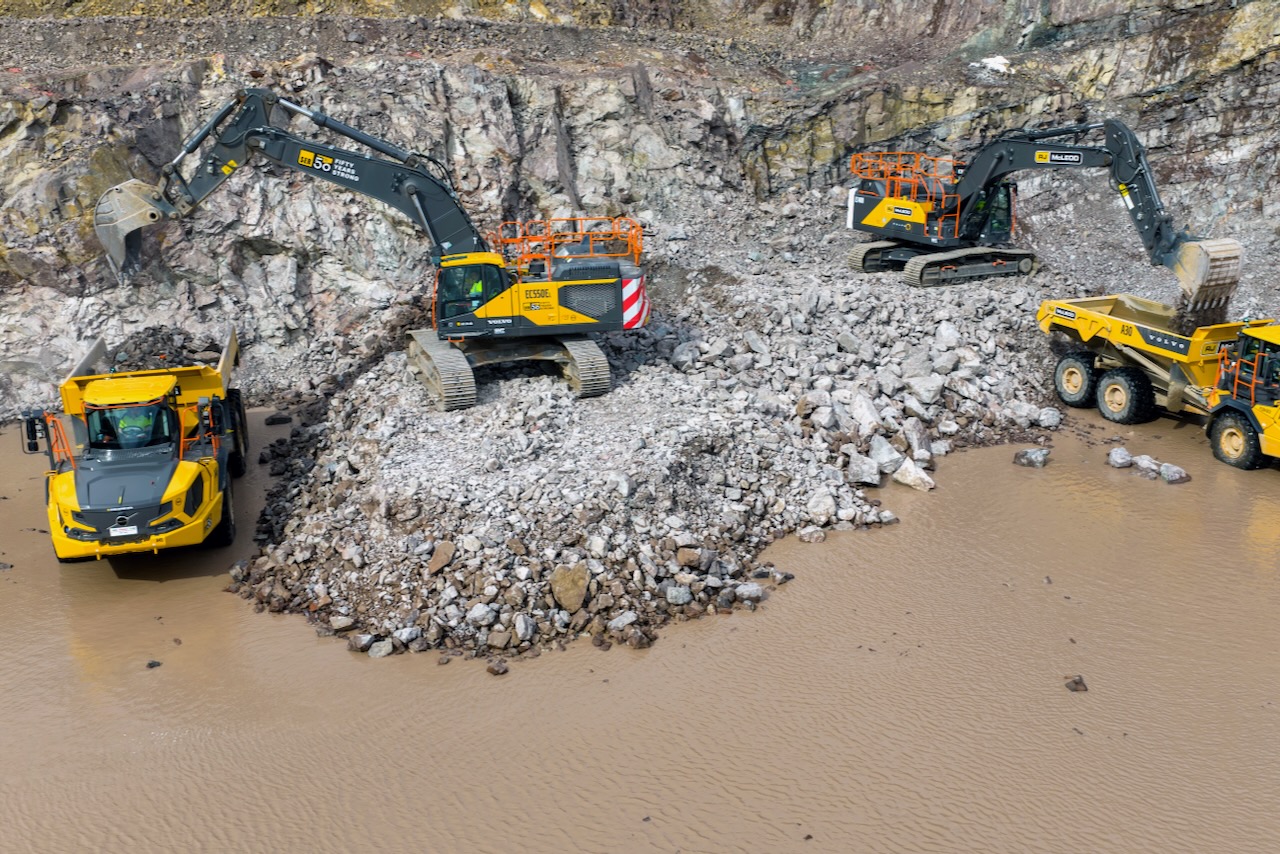
Stevens Equipment Rental has deployed more than 20 heavy machines to RJ McLeod’s expansion of Kishorn Port’s circular dry dock, which currently accommodates 160m-long vessels at 13.8m below high tide and is being extended by 100m with nine hectares of reclaimed laydown land. Over 450,000m³ of highly abrasive Torridonian sandstone is being drilled, blasted and processed on site, with a deliberately wide blast pattern producing both rock armour boulders and segregated feed for mobile crushing. A mixed Volvo and Caterpillar fleet – including A45/A30 haulers, EC550 excavators and D7/D6 dozers – is being run as a tightly balanced system, supported by on-site parts, fluids and a resident engineer to maintain continuous production.
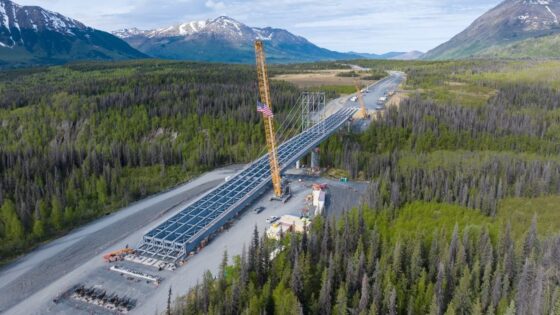
Cowi engineers have completed the erection engineering and launch of the Juneau Creek Bridge in Alaska, sliding nearly 3,175t of structural steel across a remote canyon on one of the state’s most difficult bridge sites. The incremental launch method was used to push the full superstructure into position without temporary supports in the canyon, reducing work at height and heavy lifting over the void. The project demands tight control of deflection, bearing reactions and launch nose behaviour, offering reference experience for long-span steel launches in similarly inaccessible terrain.
A successful cyber attack on 29% of the UK’s battery energy storage systems – around 400 grid‑connected units – could trigger a nationwide blackout, cybersecurity firm Centrii warns. The modelling assumes coordinated compromise of BESS control systems, allowing hostile switching and rapid withdrawal or injection of stored power, destabilising frequency across the transmission network. For grid, civil and systems engineers, the finding points to the need for hardened SCADA interfaces, segmented communications and cyber‑resilience to be treated as core design criteria for future BESS projects.
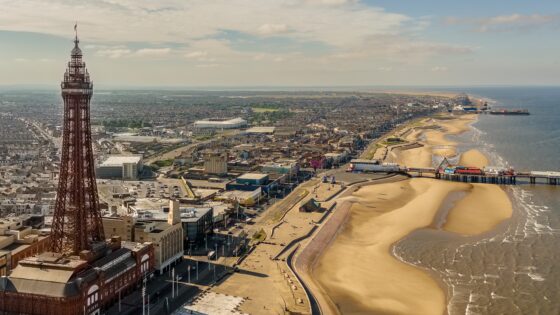
Blackpool Council has let a £200M (ex-VAT) highways surfacing and civil engineering framework to deliver multi-year upgrades across its local road network. The framework will cover carriageway and footway resurfacing, associated drainage and kerb works, and minor structures and public realm improvements, enabling packages to be called off without separate tenders. Contractors can expect a steady pipeline of asphalt, pavement rehabilitation and small civils schemes, with scope to optimise plant utilisation, material logistics and night-working strategies in a dense urban environment.
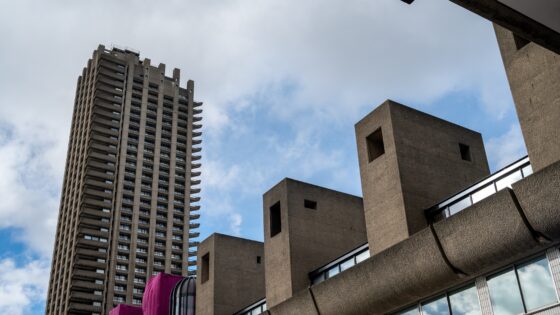
A £16M tender has been launched by the City of London Corporation for demolition, enabling works and new structural works within the Barbican Renewal Programme. The package will cover removal of existing fabric and temporary works to protect the Barbican’s complex multi-level concrete structure while new loadbearing elements and alterations are installed. Contractors will need strong experience in working around occupied buildings, managing vibration and noise limits, and sequencing heavy demolition adjacent to sensitive post-tensioned and exposed reinforced concrete.
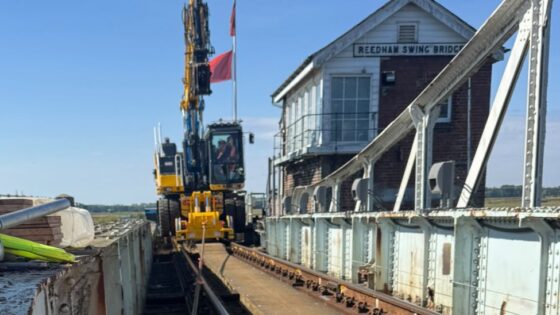
Network Rail has completed repairs to the central bearing of the 123-year-old Reedham swing bridge over the River Yare in Norfolk ahead of schedule, restoring full swing operation for larger vessels. The structure carries rail traffic on the Wherry Lines and pivots to open for river navigation, so the bearing works were critical to both rotational performance and alignment under train loading. Early completion reduces disruption to passenger and freight services while reinstating navigational clearance for commercial and leisure boats on this key Broads waterway.
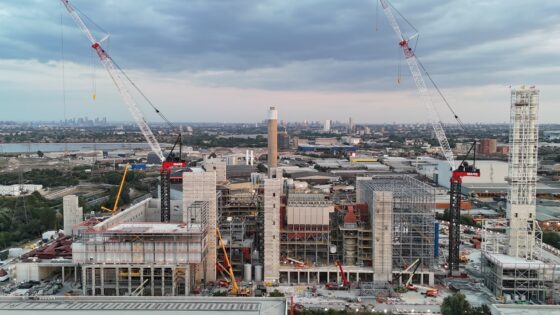
Marr Contracting has completed installation of a 100m modularised flue gas stack at the North London Heat and Power Project, using heavy-lift cranes to assemble large prefabricated sections on a constrained energy-from-waste site. The chimney stack, built from modular steel sections with integrated flues and access systems, was lifted into place to minimise work at height and reduce on-site welding and bolting. For contractors and designers, the project reinforces the viability of modular tall-stack construction on tight urban footprints with complex lifting logistics.
Anglian Water has signed a two-year extension to its condition-based monitoring framework with industrial AI firm Samotics, continuing remote health assessment of critical rotating assets such as pumps and motors across its water and wastewater network. Samotics’ system typically uses electrical signature analysis via permanently installed sensors in motor control centres to detect faults like bearing wear, misalignment and cavitation before mechanical failure. For civil and MEICA teams, the deal signals ongoing reliance on continuous, non-intrusive monitoring to cut unplanned outages and optimise maintenance scheduling on buried and hard-to-access plant.
New Civil Engineer has opened nominations for judges for its 2027 awards portfolio, covering the British Construction & Infrastructure Awards, NCE Awards and NCE Bridges Awards, as it seeks to refresh and expand its expert panels. Practitioners from infrastructure, bridge engineering, geotechnics and construction delivery are being encouraged to put forward senior professionals with direct project experience. The move signals an opportunity for firms to influence recognition of best practice in areas such as complex bridge design, major civils delivery and asset resilience.
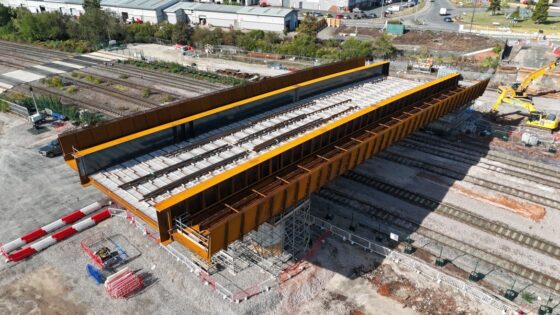
Installation of the first 55m section of the new Saltley Viaduct over the Birmingham to Derby railway lines was completed by HS2 engineers over the August Bank Holiday, marking the initial stage of replacing the existing road bridge. The steel span was lifted into place during a possession window to maintain rail operations, requiring precise coordination of heavy lifting plant and rail protection measures. For designers and contractors, the work signals upcoming interface challenges with live rail, highway tie-ins and future staged deck construction on a constrained urban site.
Five Welsh councils are preparing an £800M civil engineering framework to procure construction and related works across South West Wales, Bridgend, Neath Port Talbot, Swansea and Powys. The programme is expected to bundle highways, structures and associated infrastructure packages into a single multi-authority arrangement, giving contractors a long-term pipeline and standardised commercial terms. Ground and structural specialists should monitor for lots covering road reconstruction, bridge works and drainage upgrades, where aggregated demand could favour firms with regional plant, materials supply and design capability.
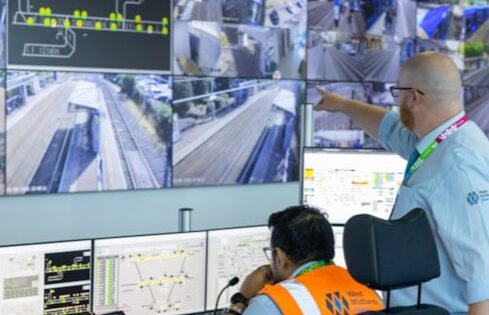
West Midlands Metro has opened a new Operational Control Centre (OCC) at its Wednesbury depot to manage operations for the forthcoming light rail extension between Wednesbury and Dudley town centre, due to open later this year. The OCC centralises real-time monitoring and control of tram movements across the extended network, integrating signalling, power systems and passenger information from a single site. For civil and systems engineers, the facility signals a shift towards more integrated control architecture ahead of further route expansions in the West Midlands.
Victoria’s spring transport blitz is centred on the new Melton Station, where trains now run on elevated rail bridges over Exford and Coburns roads, removing two level crossings on a key western corridor. Coburns Road will close from 6–24 September to allow track removal and associated road works beneath the viaduct, with traffic diversions affecting local freight and commuter routes. The works form part of a broader state programme targeting congestion reduction and improved rail–road separation across Melbourne’s growth areas.