Geomechanics.io

  • Free Tools
Sign UpLog In
Built byBoxcut Studio

Geomechanics.io

Geomechanics, Streamlined.

© 2026 Geomechanics.io. All rights reserved.

Geomechanics.io

CMRR-ioGEODB-ioHYDROGEO-ioQCDB-ioFree Tools & CalculatorsBlogLatest Industry News

Industries

MiningConstructionTunnelling

Company

Terms of UsePrivacy PolicyLinkedIn
    Failure
    Safety
    Sustainability

    United Utilities £900k sewage fine: CSO and storm capacity lessons for engineers

    September 11, 2026|

    Reviewed by Tom Sullivan

    United Utilities £900k sewage fine: CSO and storm capacity lessons for engineers

    First reported on New Civil Engineer

    30 Second Briefing

    United Utilities has been fined £900,000 after admitting five environmental permit breaches linked to a major raw sewage discharge on the Fylde coast in June 2023, following failures in its wastewater treatment and overflow control systems. The incident involved untreated effluent bypassing normal screening and settlement processes during storm conditions, leading to prolonged discharge through combined sewer overflows into coastal waters used for bathing. For civil and environmental engineers, the case reinforces regulatory scrutiny on stormwater storage capacity, real-time CSO monitoring, and resilience of ageing sewer networks under intense rainfall events.

    Technical Brief

    • Environment Agency investigation would typically interrogate CSO event duration data, flow records and telemetry logs against permit conditions.
    • Sampling regime likely focused on faecal indicator organisms, ammonia and suspended solids at multiple Fylde coast compliance points.
    • Root-cause analysis would examine inlet works capacity, storm tank utilisation, weir levels and control logic for storm bypass initiation.
    • Monitoring improvements are expected to centre on verified event duration monitors at each CSO and alarms for unpermitted spills.
    • Remediation options include retrofitting additional offline storm storage, upsizing screens and adding high-rate clarification for peak flows.
    • From a safety and regulatory perspective, the case reinforces strict adherence to environmental permit flow-to-full-treatment requirements.
    • Similar coastal agglomerations will face closer scrutiny of sewer network hydraulic modelling assumptions under short-duration, high-intensity storms.

    Our Take

    United Utilities also appears in recent coverage for storm overflow reduction works at Micker Brook in Stockport and a 1,000m³ detention shaft tank scheme, signalling that enforcement pressure on sewage discharges is already being translated into substantial civil works packages for contractors such as Barhale.

    In our Environmental category, United Utilities is one of the more frequently recurring UK utilities, with items ranging from natural flood management with the National Trust to major AMP8 framework delivery, suggesting regulators and stakeholders will expect its future capex to demonstrate clear pollution‑reduction outcomes rather than just capacity growth.

    Geotechnical Software for Modern Teams

    Centralise site data, logs, and lab results with GEODB-io, CMRR-io, and HYDROGEO-io.

    Cancel at any time.

    • Save and export unlimited calculations
    • Advanced data visualisation
    • Generate professional PDF reports
    • Cloud storage for all your projects

    Prepared by collating external sources, AI-assisted tools, and Geomechanics.io’s proprietary mining database, then reviewed for technical accuracy & edited by our geotechnical team.

    Related Articles
    PFAS ‘forever chemical’ cuts in England’s rivers: design implications for treatment works
    Environmental
    about 22 hours ago

    PFAS ‘forever chemical’ cuts in England’s rivers: design implications for treatment works

    Levels of two per- and polyfluoroalkyl substances (PFAS) in England’s rivers have fallen by about 30% over the past decade, according to new Environment Agency monitoring data. The assessment points to improved control at industrial discharge points and some wastewater treatment works, but also identifies gaps where conventional plants lack advanced PFAS removal processes such as activated carbon or high-pressure membrane treatment. For civil and environmental engineers, the findings signal likely future upgrades to sewage works, tighter discharge consents and more stringent design criteria for treatment infrastructure.

    Thames Water’s 100‑day drought: reservoir and aquifer stress for water engineers
    Environmental
    9 days ago

    Thames Water’s 100‑day drought: reservoir and aquifer stress for water engineers

    Thames Water has reached 100 days since declaring a drought across London and the Thames Valley, with key storage such as the Farmoor and Queen Mary reservoirs still below long‑term average levels despite recent rainfall. Groundwater in several Chalk and Thames Gravels aquifers remains depressed, limiting recharge to strategic sources and sustaining pressure on abstraction licences. Civil and water engineers face continued constraints on network planning, leakage control and future resilience schemes, with no immediate scope to relax existing demand‑management measures.

    Rio Tinto Pilbara cane toad barrier: environmental risk lens for mine planners
    Environmental
    11 days ago

    Rio Tinto Pilbara cane toad barrier: environmental risk lens for mine planners

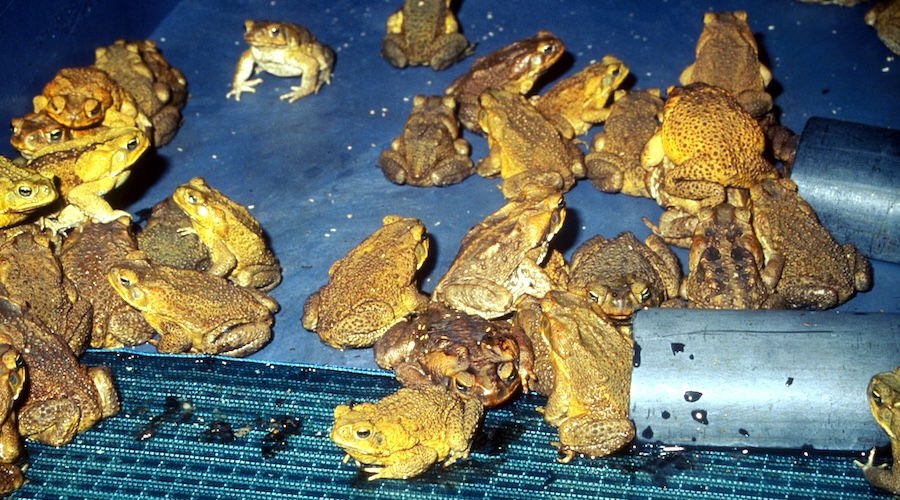
    Rio Tinto and its Rhodes Ridge Joint Venture partners are committing A$28 million over five years to establish a 7,500‑sq‑km Toad Containment Zone between the Indian Ocean and the Great Sandy Desert, modifying or decommissioning 685 pastoral water points to block cane toads before they reach the Pilbara iron ore province. The barrier is intended to protect about 27 million hectares of habitat and at least 25 vulnerable native species, including northern quolls and ghost bats, from a projected invasion within two decades. For miners, success could avoid materially higher environmental approval hurdles and long‑term compliance costs tied to ecosystem damage and Indigenous cultural impacts on bush tucker species such as goannas.

    Related Industries & Products

    Mining

    Geotechnical software solutions for mining operations including CMRR analysis, hydrogeological testing, and data management.

    Construction

    Quality control software for construction companies with material testing, batch tracking, and compliance management.

    CMRR-io

    Streamline coal mine roof stability assessments with our cloud-based CMRR software featuring automated calculations, multi-scenario analysis, and collaborative workflows.

    HYDROGEO-io

    Comprehensive hydrogeological testing platform for managing, analysing, and reporting on packer tests, lugeon values, and hydraulic conductivity assessments.

    GEODB-io

    Centralised geotechnical data management solution for storing, accessing, and analysing all your site investigation and material testing data.

    AllGeotechnicalInfrastructureHazardsEnvironmental