Rio Tinto Pilbara cane toad barrier: environmental risk lens for mine planners
Reviewed by Tom Sullivan
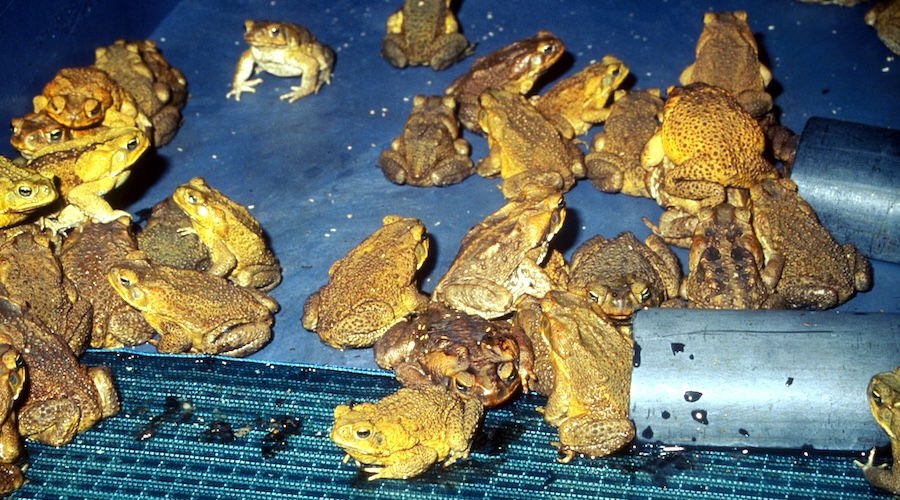
First reported on MINING.com
30 Second Briefing
Rio Tinto and its Rhodes Ridge Joint Venture partners are committing A$28 million over five years to establish a 7,500‑sq‑km Toad Containment Zone between the Indian Ocean and the Great Sandy Desert, modifying or decommissioning 685 pastoral water points to block cane toads before they reach the Pilbara iron ore province. The barrier is intended to protect about 27 million hectares of habitat and at least 25 vulnerable native species, including northern quolls and ghost bats, from a projected invasion within two decades. For miners, success could avoid materially higher environmental approval hurdles and long‑term compliance costs tied to ecosystem damage and Indigenous cultural impacts on bush tucker species such as goannas.
Technical Brief
- Five-year programme begins in 2027, with early field work already underway on pastoral stations south of Broome.
- A$28 million funding is split 50:50 between Rio Tinto and the Rhodes Ridge Joint Venture partners.
- Barrier design focuses on modifying or containing 685 artificial water points that currently sustain dry‑season cane toad movement.
- Intervention targets six specific pastoral stations, requiring coordinated access, asset mapping and long-term maintenance responsibilities.
- Environmental control method is resource-denial: reconfiguring cattle and irrigation watering infrastructure to be physically inaccessible to toads.
- Scientific design is led by Curtin and Deakin universities, drawing on decades of invasive-species field research.
- Success is critical to avoid future escalation in environmental approval complexity and compliance costs for Pilbara iron ore projects.
- Project also functions as cultural heritage protection, maintaining bush tucker species (e.g. goannas) important to Indigenous landowners.
Our Take
Because the Rhodes Ridge Joint Venture in the Pilbara is split 50/40/10 between Rio Tinto, Mitsui and AMB Holdings, large-scale biosecurity work in northern Australia is likely to be watched closely by these partners as a test case for how shared environmental obligations might be handled on future iron ore developments.
Prepared by collating external sources, AI-assisted tools, and Geomechanics.io’s proprietary mining database, then reviewed for technical accuracy & edited by our geotechnical team.
Related Articles

Related Industries & Products
Mining
Geotechnical software solutions for mining operations including CMRR analysis, hydrogeological testing, and data management.
Construction
Quality control software for construction companies with material testing, batch tracking, and compliance management.
CMRR-io
Streamline coal mine roof stability assessments with our cloud-based CMRR software featuring automated calculations, multi-scenario analysis, and collaborative workflows.
HYDROGEO-io
Comprehensive hydrogeological testing platform for managing, analysing, and reporting on packer tests, lugeon values, and hydraulic conductivity assessments.
GEODB-io
Centralised geotechnical data management solution for storing, accessing, and analysing all your site investigation and material testing data.