PFAS ‘forever chemical’ cuts in England’s rivers: design implications for treatment works
Reviewed by Joe Ashwell
First reported on New Civil Engineer
30 Second Briefing
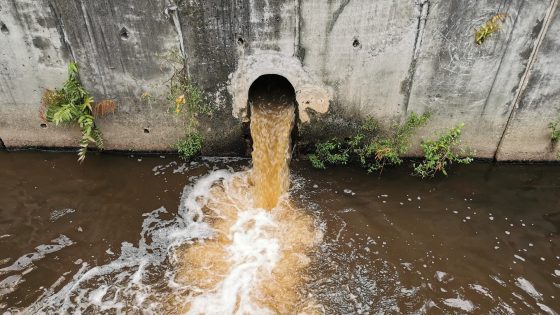
Levels of two per- and polyfluoroalkyl substances (PFAS) in England’s rivers have fallen by about 30% over the past decade, according to new Environment Agency monitoring data. The assessment points to improved control at industrial discharge points and some wastewater treatment works, but also identifies gaps where conventional plants lack advanced PFAS removal processes such as activated carbon or high-pressure membrane treatment. For civil and environmental engineers, the findings signal likely future upgrades to sewage works, tighter discharge consents and more stringent design criteria for treatment infrastructure.
Technical Brief
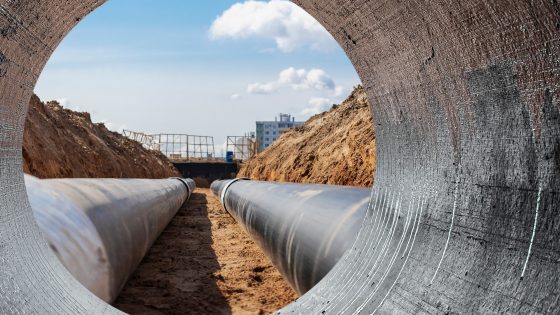
- For linear infrastructure near rivers, designers may face tighter constraints on allowable construction-related PFAS releases.
- Environmental impact assessments for new construction projects may need more explicit PFAS baseline and mitigation sections.
Our Take
The Environment Agency features repeatedly in our recent Environmental coverage, from drought management and flood-defence upgrades in Kent (5 October 2026 item) to canal infrastructure in Derbyshire, signalling that water quality, quantity and flood risk are increasingly being managed as a single, integrated system issue in England.
A 30% reduction in two persistent chemicals over a decade still leaves long-term liabilities for wastewater and river assets, meaning UK operators planning new treatment works or upgrades will likely need to design for much tighter contaminant removal than the standards that governed existing infrastructure.
With 24 Environmental stories and thousands of sustainability-tagged pieces in our database, this England-focused water quality gap sits alongside multiple flood and drought interventions, suggesting that future project funding cases for the Environment Agency may need to bundle chemical treatment upgrades with resilience works to secure political backing.
Prepared by collating external sources, AI-assisted tools, and Geomechanics.io’s proprietary mining database, then reviewed for technical accuracy & edited by our geotechnical team.
Related Articles


Related Industries & Products
Construction
Quality control software for construction companies with material testing, batch tracking, and compliance management.
Mining
Geotechnical software solutions for mining operations including CMRR analysis, hydrogeological testing, and data management.
QCDB-io
Comprehensive quality control database for manufacturing, tunnelling, and civil construction with UCS testing, PSD analysis, and grout mix design management.