Royalty juniors in metals rally: portfolio and risk takeaways for mine finance teams
Reviewed by Joe Ashwell
First reported on MINING.com
30 Second Briefing
Smaller royalty firms Ecora Royalties and Empress Royalty are using higher metals prices and demand for non-dilutive mine finance to close the valuation gap with larger peers, with Ecora doubling first-quarter portfolio contribution to $12.3 million and Empress more than tripling revenue to $9.1 million. Ecora is pivoting from its Kestrel steelmaking coal royalty towards copper and cobalt, targeting coal-free status after 2030 and potential copper exposure rising to nearly 20 million lb per year as development-stage assets mature. Empress, with four producing gold and silver royalties across Mexico, Peru, South Africa and Mozambique, expects revenue to grow from $17 million to about $30 million this year, but remains highly exposed to performance at Luca’s Tahuehueto mine and lumpy deliveries such as a 200-oz Galaxy catch-up.
Technical Brief
- Ecora’s base metals portfolio contribution rose 152% year-on-year to US$8.3 million in Q1.
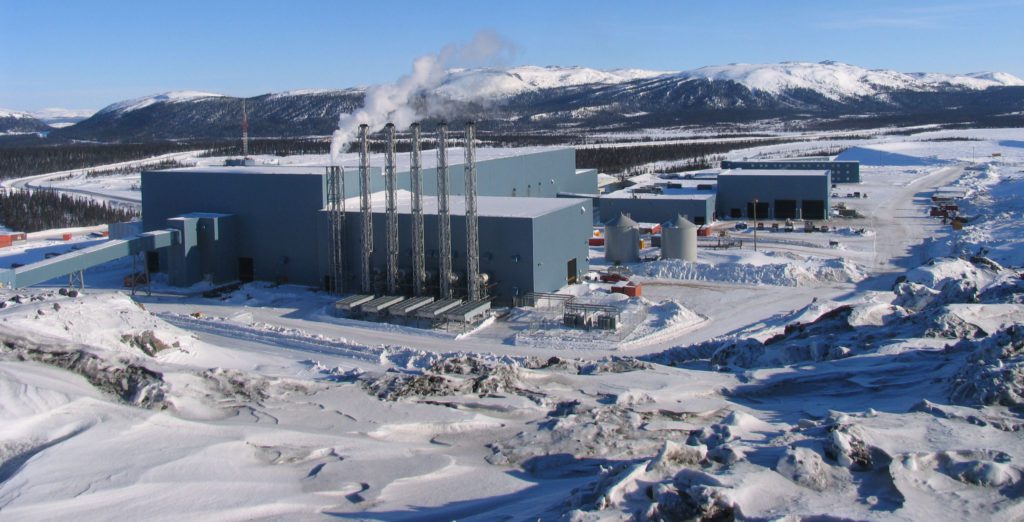
- Voisey’s Bay cobalt stream deliveries slipped into Q2 due to shipping timelines, deferring Ecora revenue recognition.
- Kestrel generated no Q1 royalty as production was on ground outside Ecora’s private royalty area.
- Ecora targets base metals rising from ~50% of portfolio contribution to ~85% by 2030.
- Empress has four producing gold and silver royalties/streams across Mexico, Peru, South Africa and Mozambique.
- Its Tahuehueto silver stream: US$5 million invested, US$22 million received since commercial production commenced.
- Galaxy mine payments included a one-off 200‑oz gold “catch‑up” delivery from a prior‑year shortfall.
- Royalty firms depend on operator mine plans, budgets, permitting and disclosure, with no direct control over execution.
Our Take
Ecora’s plan to have base metals contribute about 85% of portfolio contribution by 2030, alongside a coal-free target, places it at the more aggressive end of decarbonisation strategies among royalty companies in our mining database, where most coal-exposed peers are signalling slower run-off profiles.
The step-up in Ecora’s attributable copper exposure from under 5 million lb/year to a potential 20 million lb/year over the next decade aligns with a cluster of recent battery metals pieces in our coverage that highlight royalty and streaming vehicles as a preferred way to secure upside to copper and nickel without full project development risk.
Empress Royalty’s ability to turn a US$5 million investment in the Tahuehueto silver stream into US$22 million of receipts so far is a relatively high capital efficiency outcome compared with other junior precious metals streamers in our database, which may give it more room to compete for new gold–silver deals in Mexico, Peru and South Africa.
Prepared by collating external sources, AI-assisted tools, and Geomechanics.io’s proprietary mining database, then reviewed for technical accuracy & edited by our geotechnical team.
Related Articles


Related Industries & Products
Mining
Geotechnical software solutions for mining operations including CMRR analysis, hydrogeological testing, and data management.
CMRR-io
Streamline coal mine roof stability assessments with our cloud-based CMRR software featuring automated calculations, multi-scenario analysis, and collaborative workflows.
HYDROGEO-io
Comprehensive hydrogeological testing platform for managing, analysing, and reporting on packer tests, lugeon values, and hydraulic conductivity assessments.
GEODB-io
Centralised geotechnical data management solution for storing, accessing, and analysing all your site investigation and material testing data.