Royal Engineers’ low‑resource concrete: durability and design notes for field engineers
Reviewed by Tom Sullivan
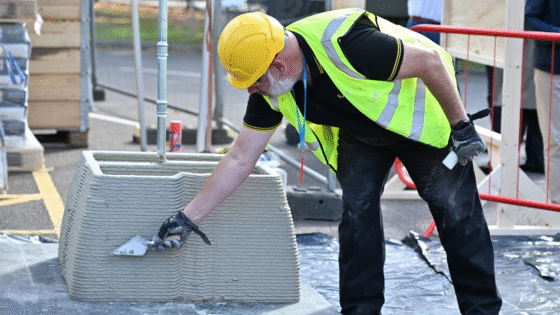
First reported on New Civil Engineer
30 Second Briefing
Royal Engineers have trialled low-resource concrete mixes using crushed recycled brick as aggregate, salt water as mix water and on-site 3D printing to build structures in conflict and disaster zones where fresh water and conventional materials are scarce. The work focuses on rapidly deployable field production, aiming to print blast walls, shelters and foundations without fixed batching plants or potable water supplies. For civil and military engineers, the approach raises design questions around chloride-induced reinforcement corrosion, variable brick aggregate grading and verifying strength without standard laboratory testing.
Technical Brief
- Wider implication is a need to adapt existing concrete durability and QA frameworks to non-potable, recycled-input mixes.
Our Take
Because this piece sits under both Research and Projects tags within our 2,396 tag-matched items, it suggests the Royal Engineers are not just trialling lab formulations but are likely pushing towards field-deployable specifications that could influence how NGOs and defence bodies standardise emergency works.
New Civil Engineer’s involvement as a named party indicates this work is being framed for mainstream civil practitioners, which tends to accelerate the uptake of military-origin methods—previously, similar cross-over in our Materials coverage has seen rapid adoption of temporary-works innovations into civilian flood and disaster response contracts.
Prepared by collating external sources, AI-assisted tools, and Geomechanics.io’s proprietary mining database, then reviewed for technical accuracy & edited by our geotechnical team.
Related Articles


Related Industries & Products
Construction
Quality control software for construction companies with material testing, batch tracking, and compliance management.
CMRR-io
Streamline coal mine roof stability assessments with our cloud-based CMRR software featuring automated calculations, multi-scenario analysis, and collaborative workflows.
HYDROGEO-io
Comprehensive hydrogeological testing platform for managing, analysing, and reporting on packer tests, lugeon values, and hydraulic conductivity assessments.
GEODB-io
Centralised geotechnical data management solution for storing, accessing, and analysing all your site investigation and material testing data.