Reduced carbon footprint calcined clay cement: design notes for UK ground engineers
Reviewed by Tom Sullivan
First reported on New Civil Engineer
30 Second Briefing
A British-made calcined clay cement designed to cut the embodied carbon of concrete will be launched to the wider construction industry on Thursday 22 October. The supplementary cementitious material partially replaces Portland clinker in standard mixes, targeting substantial CO₂ reductions compared with CEM I while remaining compatible with existing batching plants and placement methods. Structural and geotechnical designers can use the material to lower whole-life carbon on foundations, retaining structures and slabs without major changes to mix design workflows or site practice.
Technical Brief
- Launch date fixed for Thursday 22 October, enabling near‑term specification in live tenders and designs.
- British manufacturing base reduces import logistics and associated transport emissions for UK and Irish projects.
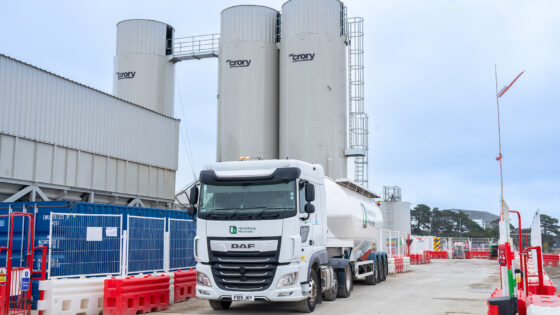
- Compatibility with existing batching plants avoids capex on new silos, conveyors or dosing systems.
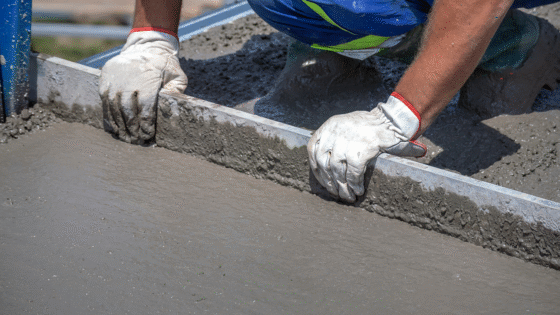
- No change to standard placement methods limits retraining needs for site crews and concrete subcontractors.
- Structural and geotechnical design workflows remain aligned with conventional CEM I detailing and checking processes.
- Material is positioned as a supplementary cementitious component, not a full binder replacement.
- Wider use could support client carbon targets where concrete dominates embodied emissions in substructure works.
Our Take
Because New Civil Engineer is also curating innovation‑focused events and challenges – such as Heathrow Airport’s early careers innovation competition and the Beyond Design Bridges Challenge – this product launch is likely to be amplified through case studies and awards, accelerating specification uptake in the UK market.
A defined 22 October launch date gives project teams in the United Kingdom a clear point to align procurement and trial pours, which is strategically useful for contractors trying to lock in embodied‑carbon reductions ahead of tightening client and regulatory requirements captured across our sustainability‑tagged coverage.
Prepared by collating external sources, AI-assisted tools, and Geomechanics.io’s proprietary mining database, then reviewed for technical accuracy & edited by our geotechnical team.