Romford Blocks 9 and 10 approval: phasing and capacity insights for project teams
Reviewed by Tom Sullivan
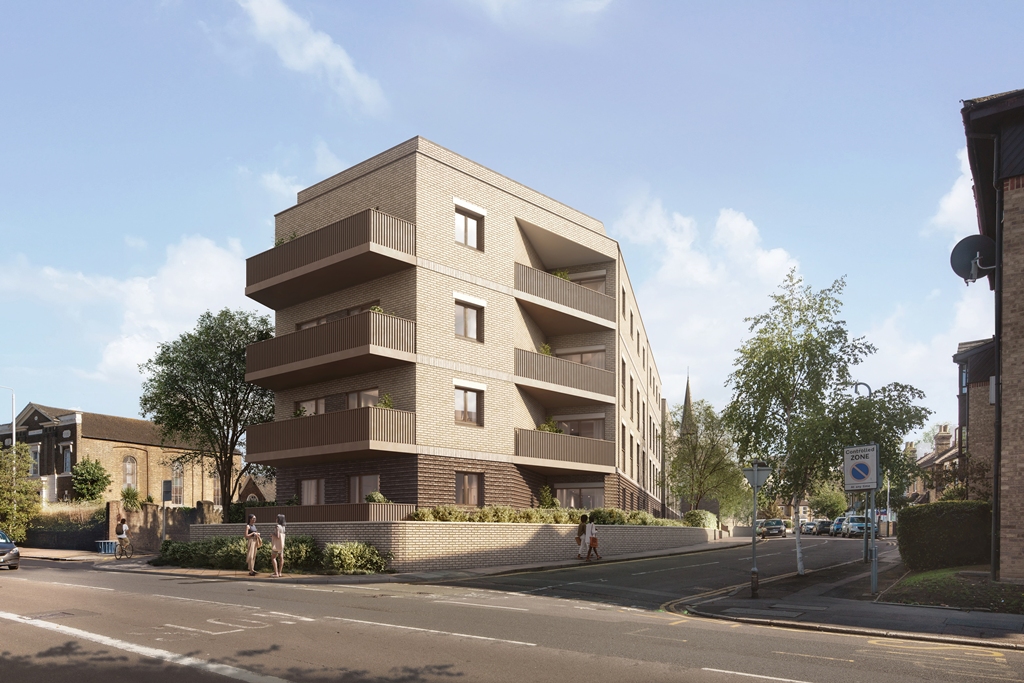
First reported on The Construction Index
30 Second Briefing
Planning approval has been granted for Blocks 9 and 10 at the Waterloo & Queen Street site in Romford, allowing Wates Residential to deliver two mid-rise blocks totalling 107 apartments for the London Borough of Havering. The scheme forms the first phase of a £1.5bn, 12-estate regeneration programme being delivered by the Wates–Havering joint venture, with Section 73 and reserved matters consent secured after public consultations through 2025. Construction will now progress towards a targeted completion date in late 2028, locking in the phasing and capacity assumptions for subsequent estate renewals.
Technical Brief
- Section 73 consent allows design amendments without re-opening the full planning permission baseline.
- Reserved matters approval fixes detailed layout, scale, appearance, access and landscaping for Blocks 9 and 10.
- Experience from this first-phase consent will likely streamline planning risk on subsequent Havering estate renewals.
Our Take
Wates’ role with Havering Council on the £1.5bn 12 estates regeneration programme in Romford sits alongside its other London estate work with Southwark Council and Mount Anvil, signalling that Wates Residential is becoming a go‑to delivery partner for complex council‑led infill and regeneration schemes in the capital.
The late‑2028 horizon for the Waterloo & Queen Street Site blocks means Havering’s programme will be competing for Wates’ delivery bandwidth with long‑run public frameworks such as the Department for Education’s CF25, so early sequencing and procurement clarity will matter for subcontractor and materials availability.
With public consultations on the Romford estates not due until 2025, Havering Council has a longer runway than Southwark or Cardiff to integrate low‑carbon systems; Wates Residential’s recent use of centralised ground‑source heat networks in Cardiff suggests similar fabric‑first and communal energy strategies are likely to be on the table here.
Prepared by collating external sources, AI-assisted tools, and Geomechanics.io’s proprietary mining database, then reviewed for technical accuracy & edited by our geotechnical team.


