PMI: UK construction downturn eases, but cost pressures – key signals for project teams
Reviewed by Tom Sullivan
First reported on The Construction Index
30 Second Briefing
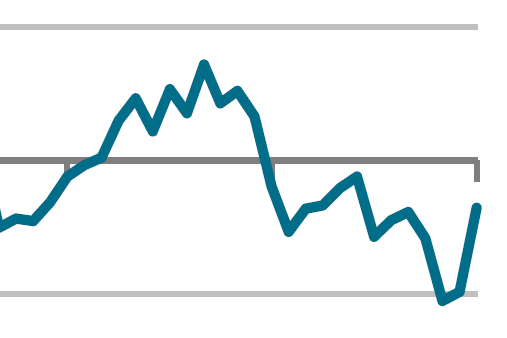
UK construction output remained in contraction in January but the S&P Global PMI rose to 46.4 from December’s 40.1, with commercial work at 48.4 close to stabilising while housebuilding and civil engineering lagged at 39.3 and 40.6 respectively. Input cost inflation accelerated to its fastest since September 2025 as suppliers passed on higher raw material and wage costs and subcontractor charges increased, squeezing margins and extending job losses to a 13th month. Order books remain fragile, but survey data show improving public sector work, stronger commercial enquiries for 2026 and contractors’ order books in London nearing capacity.
Technical Brief
- Subcontractor charges rose at a “solid” pace despite ongoing demand contraction, tightening main contractor margins.
- Order book deterioration was frequently linked to client risk aversion and fragile confidence, particularly in housing.
- Public sector workloads showed early signs of recovery, partially offsetting private-sector weakness in some portfolios.
- Expectations of increased infrastructure spending and lower borrowing costs underpin contractors’ medium-term workload planning.
Our Take
With the S&P Global UK Construction PMI at 46.4 and employment in a 13‑month job‑loss period, contractors in the UK are likely to keep trimming permanent staff and lean harder on subcontracting and contingent labour for project peaks.
The relatively less weak commercial work index versus house‑building and civil engineering suggests design-and-build firms and consultants such as Aecom may see more stable pipelines in refurbishment and private non-residential work than in public infrastructure over the next 12 months.
Six consecutive months of shorter lead times in the UK point to spare capacity in key materials and plant, which in our infrastructure coverage typically translates into sharper tendering and value‑engineering pressure on Tier 1s and their supply chains rather than immediate volume recovery.
Prepared by collating external sources, AI-assisted tools, and Geomechanics.io’s proprietary mining database, then reviewed for technical accuracy & edited by our geotechnical team.
Related Articles


Related Industries & Products
Construction
Quality control software for construction companies with material testing, batch tracking, and compliance management.
Mining
Geotechnical software solutions for mining operations including CMRR analysis, hydrogeological testing, and data management.
QCDB-io
Comprehensive quality control database for manufacturing, tunnelling, and civil construction with UCS testing, PSD analysis, and grout mix design management.