Geomechanics.io

  • Free Tools
Sign UpLog In

Geomechanics.io

Geomechanics, Streamlined.

© 2026 Geomechanics.io. All rights reserved.

Geomechanics.io

CMRR-ioGEODB-ioHYDROGEO-ioQCDB-ioFree Tools & CalculatorsBlogLatest Industry News

Industries

MiningConstructionTunnelling

Company

Terms of UsePrivacy PolicyLinkedIn
    Projects

    Nunavut devolution and made‑in‑Nunavut model: project permitting lens for miners

    July 10, 2026|

    Reviewed by Joe Ashwell

    Nunavut devolution and made‑in‑Nunavut model: project permitting lens for miners

    First reported on MINING.com

    30 Second Briefing

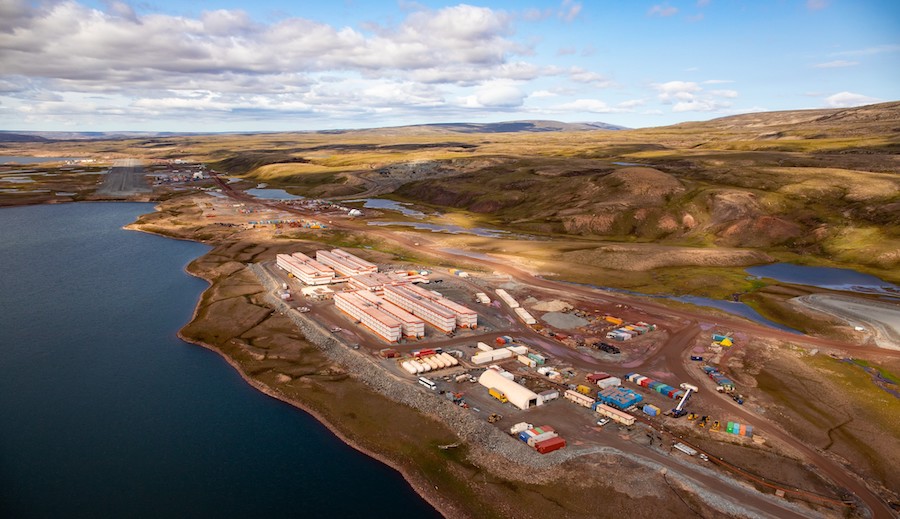
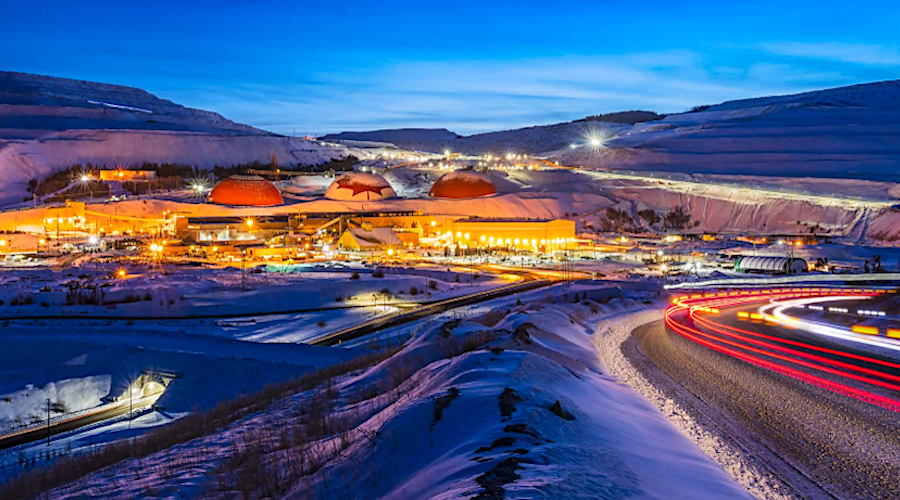
    Nunavut’s devolution, scheduled for 1 April 2027, will shift land, water and resource management – including mineral claims and tenure on Crown lands – from Ottawa to Iqaluit, in a territory where mining contributed C$1.45 billion, or 35% of GDP, in 2025. Major operations such as Agnico Eagle’s Meadowbank-Amaruq and Meliadine, B2Gold’s Goose and Baffinland’s Mary River currently sit wholly or partly on Inuit Owned Lands, so royalty flows will not materially change until new Crown land mines are developed. Territorial officials are drafting “mirror” legislation to replicate federal permitting so approvals for projects and exploration programmes continue without interruption on day one.

    Technical Brief

    • Ottawa will retain jurisdiction over fisheries, migratory birds and navigable waters, still constraining mine designs.
    • Yukon’s placer royalty of 37.5¢/oz yielded only ~C$39,000 from C$400M 2025 placer revenues.
    • All current producing mines – Meadowbank-Amaruq, Meliadine, Goose and Mary River – sit wholly/partly on Inuit Owned Lands.
    • Royalty flows to Nunavut only increase once new producing mines are developed specifically on Crown lands.
    • Territorial “mirror” legislation is being drafted to copy federal licensing and permitting frameworks verbatim at transition.
    • Baffinland expects Nunavut to become final decision-maker for key Mary River project approvals post-devolution.
    • Successful permitting speed will hinge on territorial staffing capacity and inter-departmental coordination rather than legal structure.
    • Coates stresses Nunavut-specific mining laws must be co-developed with communities and resource companies to secure social licence.

    Our Take

    With mining already contributing about 35% of Nunavut’s GDP, devolution by 1 April effectively shifts a large, highly concentrated revenue base under territorial control, which will magnify the fiscal impact of any future policy changes on operators like Agnico Eagle and B2Gold.

    Our database shows Baffinland Iron Mines now appears both in this devolution piece and in a recent item on creditor protection and a $110 million loan for Mary River, suggesting that Nunavut’s new regulatory and fiscal regime will be shaped in parallel with the financial restructuring of its flagship iron ore asset.

    Geotechnical Software for Modern Teams

    Centralise site data, logs, and lab results with GEODB-io, CMRR-io, and HYDROGEO-io.

    No credit card required.

    • Save and export unlimited calculations
    • Advanced data visualisation
    • Generate professional PDF reports
    • Cloud storage for all your projects

    Prepared by collating external sources, AI-assisted tools, and Geomechanics.io’s proprietary mining database, then reviewed for technical accuracy & edited by our geotechnical team.

    Related Articles

    Nature’s Rights Bill: legal subject status for ecosystems explained for project teams
    Policy
    about 2 hours ago

    Nature’s Rights Bill: legal subject status for ecosystems explained for project teams

    The House of Lords has advanced a proposed Nature’s Rights Bill that would recognise ecosystems and species as legal subjects, a move set to reshape planning, EIA and consent processes for major infrastructure. Treating rivers, wetlands and habitats as rights-bearing entities could require project promoters to evidence not only mitigation and biodiversity net gain, but also non‑degradation of an ecosystem’s “rights” over the asset life. Contractors and designers may face tighter constraints on route selection, earthworks, drainage and in‑river works, and more litigation risk from environmental NGOs acting as legal guardians.

    UK sector’s call for new infrastructure department: what it means for projects
    Policy
    about 2 hours ago

    UK sector’s call for new infrastructure department: what it means for projects

    Leading UK construction and engineering bodies are urging the presumed new prime minister to retain the government’s recently published long-term infrastructure strategy rather than restart policy from scratch. Industry leaders want a dedicated Department for Infrastructure to coordinate major programmes across transport, energy and water, arguing that fragmented responsibilities between the Department for Transport, DESNZ and DEFRA slow delivery. For contractors, consultants and clients, policy continuity would stabilise multi‑year investment pipelines and reduce political risk on large schemes.

    Welsh rail funding and devolution talks: implications for civil engineers
    Policy
    1 day ago

    Welsh rail funding and devolution talks: implications for civil engineers

    Welsh Government ministers have begun formal negotiations with Westminster to secure a larger, ringfenced share of GB rail capital funding and a pathway to full devolution of rail powers. Deputy minister for transport Lee Waters is seeking control over infrastructure and operations on the Wales & Borders network, including long‑term funding decisions currently made by the Department for Transport and HM Treasury. For civil engineers, any settlement could reshape priorities for renewals, electrification and resilience upgrades across key Welsh corridors such as the South Wales Main Line and Valley Lines.

    Related Industries & Products

    Mining

    Geotechnical software solutions for mining operations including CMRR analysis, hydrogeological testing, and data management.

    CMRR-io

    Streamline coal mine roof stability assessments with our cloud-based CMRR software featuring automated calculations, multi-scenario analysis, and collaborative workflows.

    HYDROGEO-io

    Comprehensive hydrogeological testing platform for managing, analysing, and reporting on packer tests, lugeon values, and hydraulic conductivity assessments.

    GEODB-io

    Centralised geotechnical data management solution for storing, accessing, and analysing all your site investigation and material testing data.

    AllGeotechnicalMiningInfrastructureMaterialsHazardsEnvironmentalSoftwarePolicy