Nuclear Waste Services 5 m wildlife tower: design and risk notes for LLWR engineers
Reviewed by Tom Sullivan
First reported on New Civil Engineer
30 Second Briefing
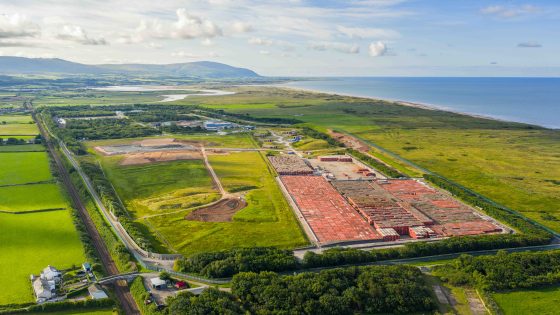
Plans for a 5m tall wildlife tower at Nuclear Waste Services’ Low Level Waste Repository (LLWR) in Cumbria set out a dedicated habitat structure within an active nuclear waste site, integrating ecological features into a highly regulated industrial landscape. The tower will be sited within the LLWR perimeter, requiring careful foundation design and construction sequencing around existing low-level waste vaults and engineered cap systems. For civil and geotechnical teams, the scheme signals growing expectations to incorporate biodiversity structures into nuclear and hazardous waste infrastructure without compromising containment performance.
Technical Brief
- Wildlife tower height of 5 m introduces a new vertical load and overturning moment within the LLWR compound.
- Location inside the existing security perimeter means construction traffic and lifting operations must comply with nuclear site access controls.
- Foundation design must respect exclusion zones above and adjacent to low-level waste vaults and cap drainage layers.
- Any ground penetration will require radiological land quality assessment and permit under the site’s nuclear safety case.
- Structural detailing must consider bird and bat usage while avoiding snagging points for windblown debris near engineered caps.
- Fire safety strategy will need to address combustible habitat materials within a regulated nuclear installation boundary.
- Operational controls are likely to include restricted maintenance windows to avoid conflict with waste handling and capping works.
- For other nuclear and hazardous waste sites, such habitat structures will drive early geotechnical–ecology–safety integration in layout planning.
Our Take
The wildlife tower at the Low Level Waste Repository sits alongside a £382M vault optimisation and capping programme at LLWR, signalling that Nuclear Waste Services is trying to integrate visible ecological features into what is otherwise a heavily engineered closure landscape.
Nuclear Waste Services’ concurrent £17.8M Environmental Safety Case framework for LLWR suggests that habitat structures like this 5 m tower are likely being designed to support long-term environmental performance claims as much as near-term biodiversity gains.
Prepared by collating external sources, AI-assisted tools, and Geomechanics.io’s proprietary mining database, then reviewed for technical accuracy & edited by our geotechnical team.