Gold price extends weekly rise: project economics lens for mine planners
Reviewed by Joe Ashwell
First reported on MINING.com
30 Second Briefing
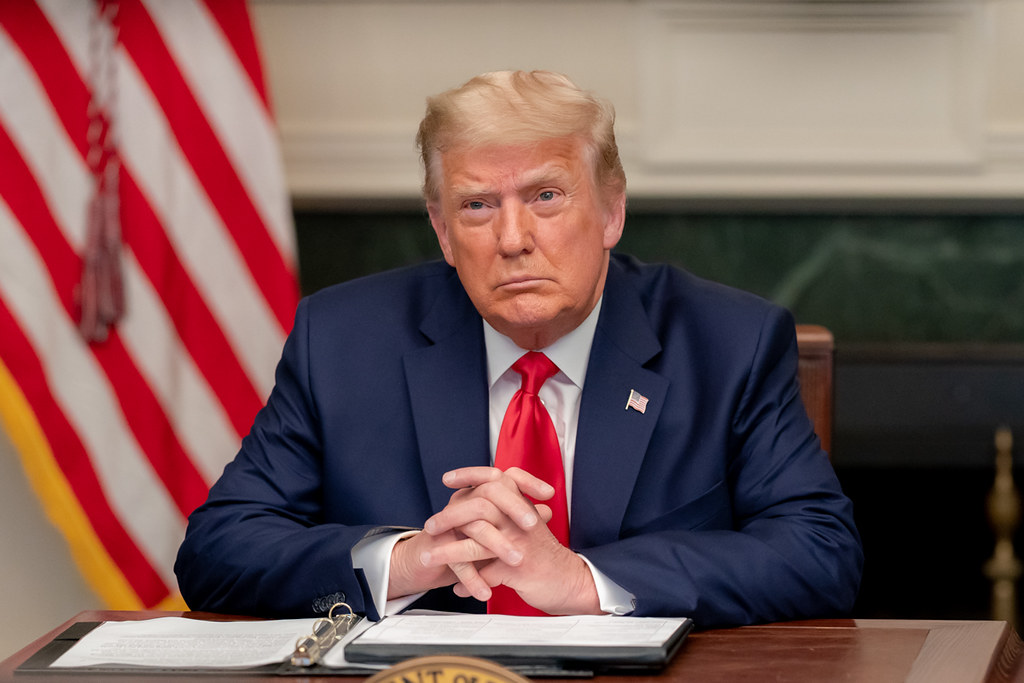
Gold prices extended their rally on Wednesday, with spot gold up 1.8% to about $4,760/oz and US futures approaching $4,800/oz, taking gains to 4.5% over four sessions after President Trump announced a pause in missile strikes against Iran. De‑escalation signals, including Trump’s claim that US forces could leave the region “within two weeks, maybe three”, eased inflation fears, pushed the US dollar lower and revived expectations that the Federal Reserve has “limited bandwidth” to raise rates. JPMorgan, Goldman Sachs, Wells Fargo and BNP Paribas all maintain bullish targets between $5,400 and above $6,000/oz, with some strategists seeing $5,000/oz as plausible on renewed rate‑cut bets.
Technical Brief
- Spot bullion touched about $4,760/oz intraday on Wednesday, extending a move that began last week.
- US gold futures pushed towards the $4,800/oz level, tracking the spot market’s safe‑haven bid.
- Trump’s stated withdrawal timeline of “within two weeks, maybe three” from the Middle East reduced perceived geopolitical risk.
- Closure of the Strait of Hormuz, carrying roughly 20% of global oil supply, had previously driven inflation concerns.
- Jerome Powell reiterated that longer‑term US inflation expectations remain “anchored”, tempering aggressive rate‑hike assumptions.
- JPMorgan’s Yuxuan Tang links gold’s support to growth‑risk narratives and Fed “limited bandwidth” for further hikes.
- Wells Fargo now targets $6,300/oz, while Goldman Sachs maintains a $5,400/oz year‑end forecast.
- BNP Paribas’ David Wilson expects any formal peace deal to trigger a sharp, headline‑driven gold price spike.
Our Take
Goldman Sachs and Bloomberg, which feature in both this article and the 24 December 2025 record-gold coverage, have consistently framed gold’s 2025–26 price action as part of a broader safe-haven and central-bank-buying cycle, suggesting traders may interpret Trump’s 2–3 week war-exit guidance more as a volatility event than a change in the longer-term bull thesis.
With around a fifth of global oil supply moving through the Strait of Hormuz, any perceived reduction in conflict risk there not only eases immediate upside pressure on oil but also tends to shift mining equity models in our coverage from stress-testing high energy-cost scenarios back towards base cases for power and fuel inputs, particularly for energy-intensive metals like steel and aluminium.
Prepared by collating external sources, AI-assisted tools, and Geomechanics.io’s proprietary mining database, then reviewed for technical accuracy & edited by our geotechnical team.
Related Articles
Related Industries & Products
Mining
Geotechnical software solutions for mining operations including CMRR analysis, hydrogeological testing, and data management.
CMRR-io
Streamline coal mine roof stability assessments with our cloud-based CMRR software featuring automated calculations, multi-scenario analysis, and collaborative workflows.
HYDROGEO-io
Comprehensive hydrogeological testing platform for managing, analysing, and reporting on packer tests, lugeon values, and hydraulic conductivity assessments.
GEODB-io
Centralised geotechnical data management solution for storing, accessing, and analysing all your site investigation and material testing data.