FI Real Estate bat roost demolition: licensing and design lessons for project teams
Reviewed by Joe Ashwell
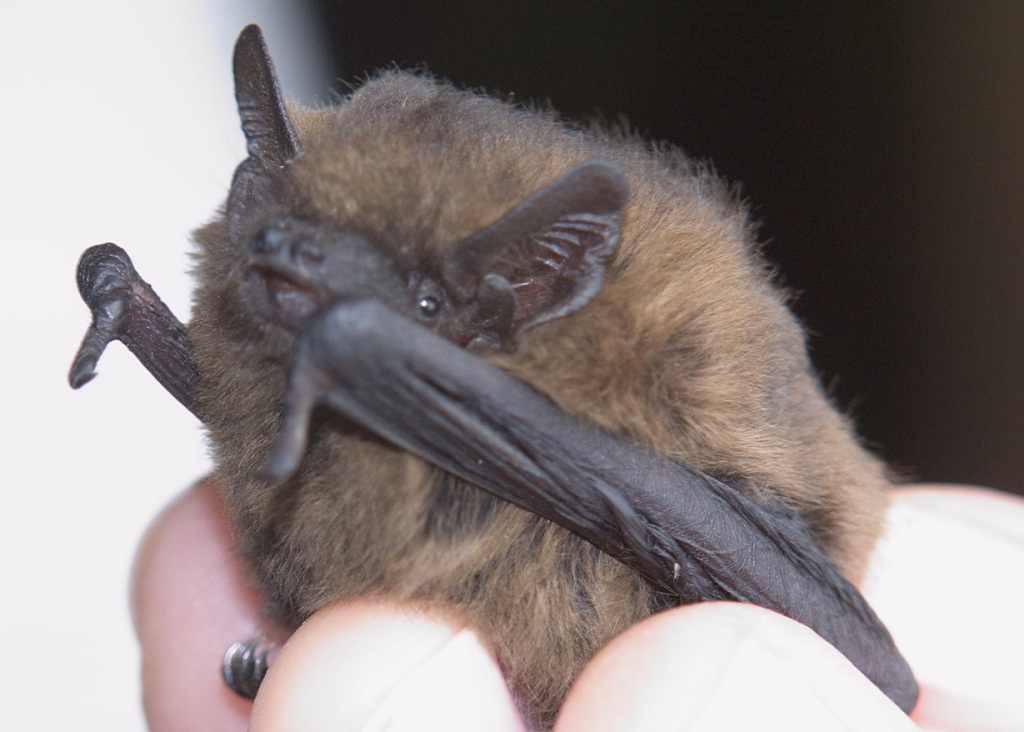
First reported on The Construction Index
30 Second Briefing
FI Real Estate Management has been fined £40,000 at Caernarfon magistrates court for unlawfully demolishing buildings on the Peblig Industrial Estate, Caernarfon, that contained bat roosts for three species identified in a 2023 survey. The works proceeded in September 2024 without the required European Protected Species Licence from Natural Resources Wales and before an acceptable replacement bat house design had been agreed with a senior biodiversity officer. The conviction under the Conservation of Habitats and Species Regulations 2017 and the Wildlife and Countryside Act 1981 reinforces that demolition and redevelopment programmes must integrate protected species licensing into design and sequencing.
Technical Brief
- Structural survey evidence was originally used to justify early demolition of derelict Peblig Industrial Estate buildings.
- A bat survey in early 2023 confirmed roosts for three distinct bat species within the structures.
- Natural Resources Wales required a dedicated replacement bat house as a precondition of any lawful demolition.
- In June 2023, a senior biodiversity officer formally rejected the first proposed bat shelter design as inadequate.
- Despite that rejection, demolition was carried out in September 2024 before any revised design was agreed.
- Police rural crime officers became involved after Cyngor Gwynedd Planning reported that demolition had occurred without authorisation.
- The £40,000 fine must be paid in full within three months, tightening cashflow impacts on the developer.
Our Take
The two‑year planning lead time before demolition at Peblig Industrial Estate suggests regulators like Cyngor Gwynedd and Natural Resources Wales expect ecological constraints (such as bat roosts) to be identified and mitigated well in advance, so operators with older consents across Gwynedd and wider UK estates may need to re‑screen sites before works proceed.
With three bat species recorded at the site, this incident underlines that even apparently low‑value industrial units can trigger strict habitat protections, which in practice can add survey seasons and licensing steps to brownfield redevelopment schedules across Caernarfon and similar UK regions.
Prepared by collating external sources, AI-assisted tools, and Geomechanics.io’s proprietary mining database, then reviewed for technical accuracy & edited by our geotechnical team.
Related Articles



Related Industries & Products
Mining
Geotechnical software solutions for mining operations including CMRR analysis, hydrogeological testing, and data management.
Construction
Quality control software for construction companies with material testing, batch tracking, and compliance management.
CMRR-io
Streamline coal mine roof stability assessments with our cloud-based CMRR software featuring automated calculations, multi-scenario analysis, and collaborative workflows.
HYDROGEO-io
Comprehensive hydrogeological testing platform for managing, analysing, and reporting on packer tests, lugeon values, and hydraulic conductivity assessments.
GEODB-io
Centralised geotechnical data management solution for storing, accessing, and analysing all your site investigation and material testing data.