Geomechanics.io

  • Free Tools
Sign UpLog In
Built byBoxcut Studio

Geomechanics.io

Geomechanics, Streamlined.

© 2026 Geomechanics.io. All rights reserved.

Geomechanics.io

CMRR-ioGEODB-ioHYDROGEO-ioQCDB-ioFree Tools & CalculatorsBlogLatest Industry News

Industries

MiningConstructionTunnelling

Company

Terms of UsePrivacy PolicyLinkedIn
    Safety
    Sustainability
    Projects

    Envu vegetation management: fire-season risk and access lessons for asset engineers

    November 24, 2026|

    Reviewed by Tom Sullivan

    Envu vegetation management: fire-season risk and access lessons for asset engineers

    First reported on Roads & Infrastructure (AU)

    30 Second Briefing

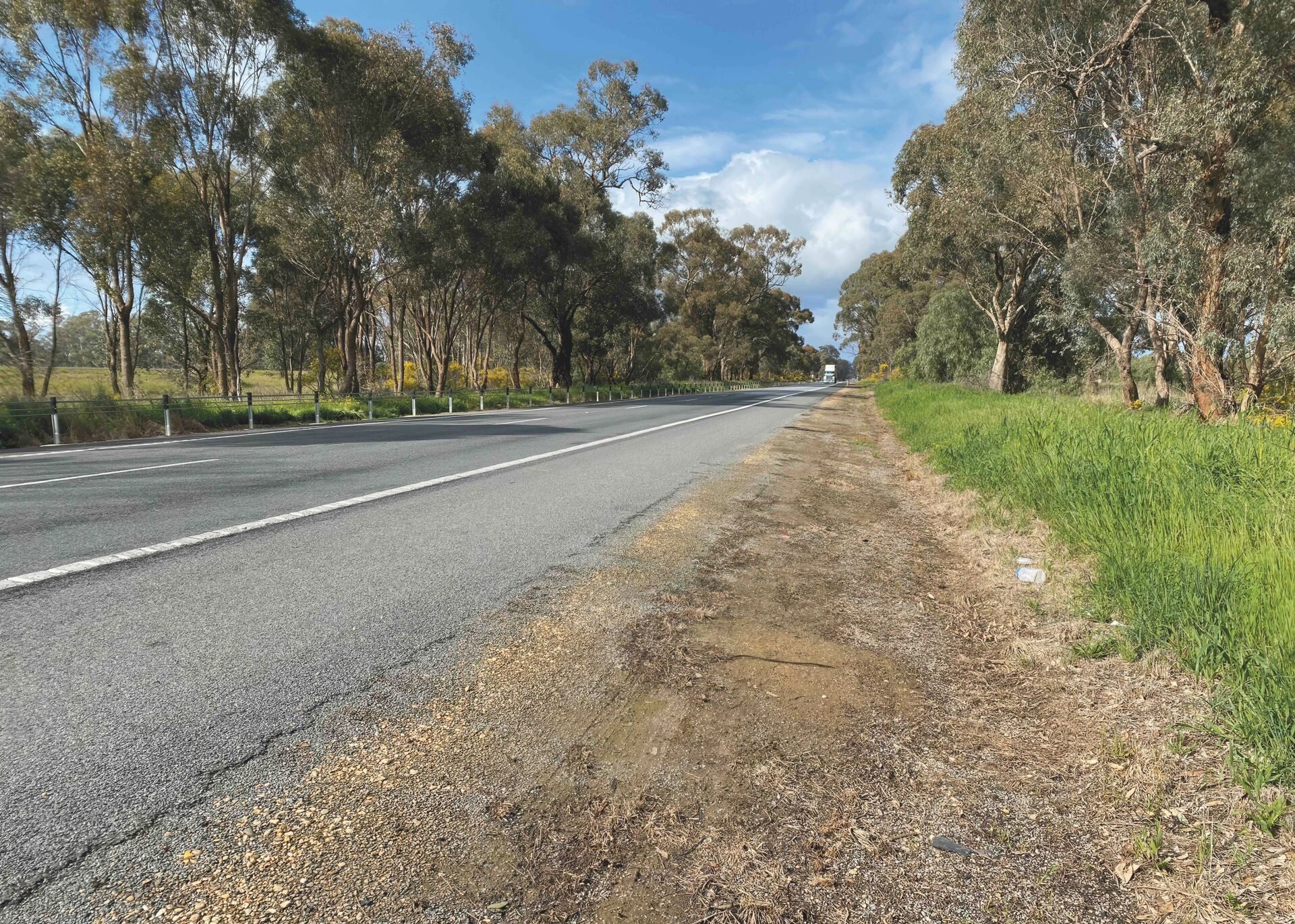
    Proactive vegetation management ahead of Australia’s summer fire season is being used across roadsides, rail corridors, utility easements and substations to reduce fuel loads before high temperatures and wind elevate ignition risk. Envu is promoting longer-residual herbicide programmes and targeted application regimes to cut repeated slashing and spraying cycles, freeing maintenance crews and reducing machinery exposure on narrow shoulders and ballast shoulders. For asset owners, the approach supports line‑of‑sight for motorists and signalling, protects overhead and underground services, and can be integrated into annual corridor inspection schedules.

    Technical Brief

    • For those responsible for roadsides, rail corridors, utility networks, substations, airports and other critical infrastructure, vegetation management is a year-round responsibility.

    Our Take

    Envu’s focus on Australian roadside vegetation management aligns with other Hazards-tagged coverage where safety risks increasingly stem from secondary factors like regrowth and sight-line obstruction rather than pavement condition alone.

    Across the 27 Hazards stories in our database, relatively few deal with proactive vegetation control, suggesting Envu is positioning itself in a niche that links safety and sustainability before issues escalate into fire, erosion or crash hazards.

    Roads & Infrastructure Magazine’s broader 2026 commentary has highlighted a cultural shift towards valuing people in transport and construction, which likely supports Envu’s framing of vegetation programs as worker and road-user safety initiatives rather than purely maintenance spend.

    Geotechnical Software for Modern Teams

    Centralise site data, logs, and lab results with GEODB-io, CMRR-io, and HYDROGEO-io.

    Cancel at any time.

    • Save and export unlimited calculations
    • Advanced data visualisation
    • Generate professional PDF reports
    • Cloud storage for all your projects

    Prepared by collating external sources, AI-assisted tools, and Geomechanics.io’s proprietary mining database, then reviewed for technical accuracy & edited by our geotechnical team.

    Related Articles
    Nepal floods and hydropower: design and risk lessons for dam engineers
    Hazards
    about 2 hours ago

    Nepal floods and hydropower: design and risk lessons for dam engineers

    August’s glacial lake outburst flood on the Nepal–Tibet border destroyed multiple run-of-river hydropower schemes and downstream settlements, killing about 1,500 people and leaving thousands missing. Early reports point to dam overtopping, inadequate spillway capacity for extreme inflows, and limited real-time monitoring of upstream lakes and debris-laden surges. Designers and operators are now under pressure to revisit probable maximum flood assumptions, freeboard allowances, and emergency drawdown and warning protocols for high-altitude hydropower corridors.

    UK infrastructure unprepared for climate impacts: design priorities for engineers
    Hazards
    about 14 hours ago

    UK infrastructure unprepared for climate impacts: design priorities for engineers

    MPs have warned that UK infrastructure is not prepared for more frequent flooding, heatwaves, droughts and wildfires, citing particular risks to rail lines, trunk roads and emergency response networks. The debate in Parliament focused on transport corridors vulnerable to track buckling and road surface failure in extreme heat, as well as drainage systems already struggling with intense rainfall events. Engineers can expect growing political pressure for climate-resilience upgrades, including higher design temperatures, increased flood capacity and more robust emergency access routes.

    HSE data: 25 construction deaths in 2025/26 – CDM and site risk lessons for engineers
    Hazards
    5 days ago

    HSE data: 25 construction deaths in 2025/26 – CDM and site risk lessons for engineers

    Construction recorded 25 worker fatalities in 2025/26, the highest of any UK industry, out of 126 workplace deaths reported in provisional Health and Safety Executive (HSE) data. Although detailed causation is not yet published, the figures keep construction disproportionately represented relative to its workforce share, reinforcing the need to control known high-risk activities such as work at height, lifting operations and temporary works. Contractors and clients can expect continued HSE scrutiny on CDM compliance, site supervision quality and design-stage risk elimination.

    Related Industries & Products

    Construction

    Quality control software for construction companies with material testing, batch tracking, and compliance management.

    Mining

    Geotechnical software solutions for mining operations including CMRR analysis, hydrogeological testing, and data management.

    QCDB-io

    Comprehensive quality control database for manufacturing, tunnelling, and civil construction with UCS testing, PSD analysis, and grout mix design management.

    AllGeotechnicalInfrastructureHazardsEnvironmental