Geomechanics.io

  • Free Tools
Sign UpLog In

Geomechanics.io

Geomechanics, Streamlined.

© 2026 Geomechanics.io. All rights reserved.

Geomechanics.io

CMRR-ioGEODB-ioHYDROGEO-ioQCDB-ioFree Tools & CalculatorsBlogLatest Industry News

Industries

MiningConstructionTunnelling

Company

Terms of UsePrivacy PolicyLinkedIn
    AllGeotechnicalMiningInfrastructureMaterialsHazardsEnvironmentalSoftwarePolicy
    Safety

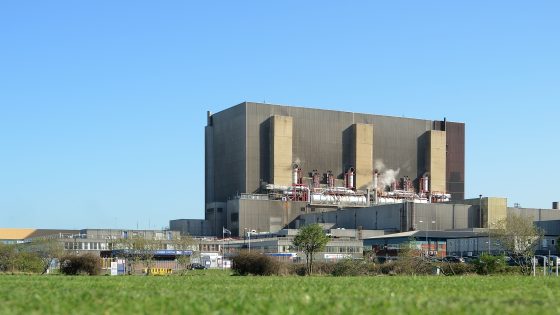
    EDF Hartlepool safety extension: procedural lessons for nuclear engineers

    April 20, 2026|

    Reviewed by Joe Ashwell

    EDF Hartlepool safety extension: procedural lessons for nuclear engineers

    First reported on New Civil Engineer

    30 Second Briefing

    EDF has been granted a six-week extension by the Office for Nuclear Regulation to comply with an improvement notice issued after an incident at the Hartlepool nuclear power plant that left workers hospitalised. The notice concerns shortcomings in safety management and procedural controls during operations at the AGR (advanced gas-cooled reactor) site, where strict radiological and conventional safety regimes are mandatory. Civil and nuclear engineers involved in plant maintenance and modification work can expect tighter scrutiny of method statements, permit-to-work systems and contractor oversight on similar UK nuclear facilities.

    Technical Brief

    • Improvement notice is issued under the Health and Safety at Work etc. Act 1974 enforcement powers.
    • ONR’s notice legally compels EDF to revise and implement safety arrangements by the new compliance date.
    • Enforcement action of this type typically requires documented changes to risk assessments, training records and supervision arrangements.
    • Nuclear site licence conditions on operating rules, instructions and staff competence will be central to ONR’s follow‑up inspection.
    • ONR can escalate to prohibition notices or prosecution if EDF fails to demonstrate effective remedial measures.
    • Incident-driven improvement notices on UK nuclear sites often trigger fleet-wide reviews of similar work activities and procedures.

    Our Take

    EDF’s receipt of an improvement notice at Hunterston B earlier in 2026 for unsafe 415V cabling, alongside this Hartlepool incident, suggests ONR is currently scrutinising EDF’s UK nuclear fleet particularly closely on electrical and maintenance work controls.

    The six‑week extension to comply with the Hartlepool improvement notice indicates ONR is willing to allow remediation time, but the Devonport Royal Dockyard case in our database shows that prolonged non‑compliance can lead to years of ‘enhanced attention’, which operators are keen to avoid.

    In our Hazards coverage, EDF appears both in enforcement stories like Hartlepool and Hunterston B and in positive safety‑adjacent pieces such as its commitment to inclusive PPE with GMB, signalling that the group is trying to balance regulatory pressure with visible workforce‑safety initiatives.

    Geotechnical Software for Modern Teams

    Centralise site data, logs, and lab results with GEODB-io, CMRR-io, and HYDROGEO-io.

    No credit card required.

    • Save and export unlimited calculations
    • Advanced data visualisation
    • Generate professional PDF reports
    • Cloud storage for all your projects

    Prepared by collating external sources, AI-assisted tools, and Geomechanics.io’s proprietary mining database, then reviewed for technical accuracy & edited by our geotechnical team.

    Related Articles

    Melbourne sinkhole investigations: geotechnical lessons for tunnel project teams
    Hazards
    in 2 months

    Melbourne sinkhole investigations: geotechnical lessons for tunnel project teams

    A sinkhole roughly 8–10 m wide and several metres deep has opened on the AJ Burkitt Reserve sporting oval in Heidelberg, directly adjacent to the North East Link tunnel alignment in Melbourne’s northeast. Victorian Infrastructure Delivery Authority has confirmed the “surface hole” is in the vicinity of active tunnelling operations, leading to a work pause while engineers and emergency crews carry out geotechnical investigations and monitoring. No injuries or structural damage have been reported, but the area remains fully cordoned off pending cause determination and stability assessment.

    Fukushima nuclear plants evacuation: tsunami design and egress lessons for engineers
    Hazards
    about 13 hours ago

    Fukushima nuclear plants evacuation: tsunami design and egress lessons for engineers

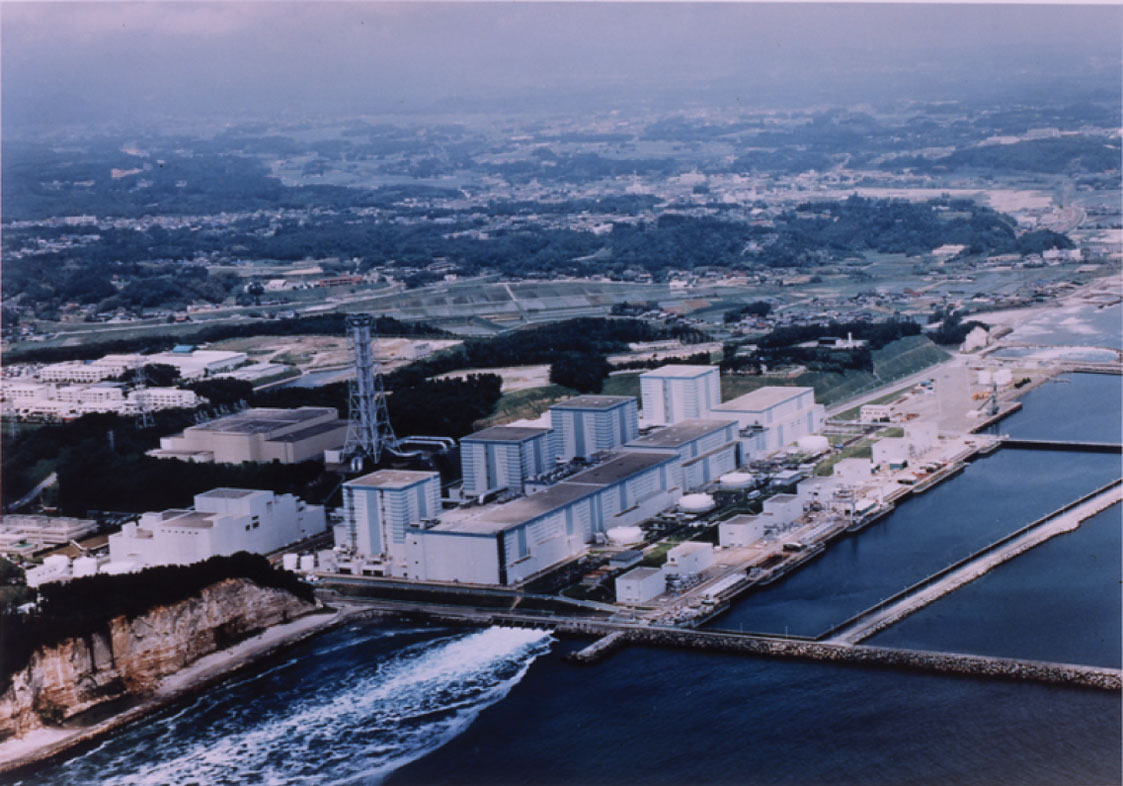
    Workers at the Fukushima Daiichi and Fukushima Daini nuclear power plants were ordered to evacuate to higher ground on 20 April after offshore seismic activity triggered earthquake and tsunami warnings. Plant operations shifted to emergency protocols, with on-site staff moving from low-lying coastal facilities and seawall areas to designated elevated shelters above projected inundation levels. The incident reinforces the need for robust vertical evacuation routes, redundant power and cooling systems, and clear egress planning for nuclear and other critical coastal infrastructure in tsunami-prone regions.

    UK surface water flood forecasting: design and operations lens for engineers
    Hazards
    about 17 hours ago

    UK surface water flood forecasting: design and operations lens for engineers

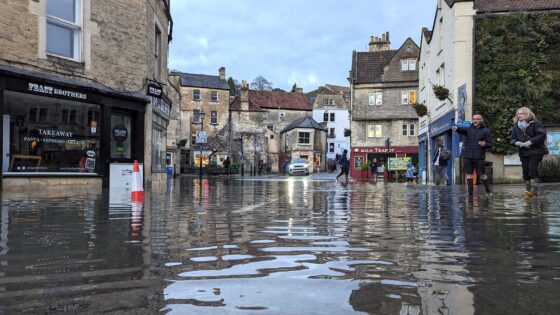
    Completion of a three-year national programme to enhance UK surface water flood forecasting marks a step change in predicting intense, short-duration rainfall events that overwhelm urban drainage and highway networks. The upgraded capability is expected to give local authorities, highways agencies and emergency planners earlier, more location-specific warnings for pluvial flooding than existing river and coastal systems, supporting targeted deployment of temporary defences and road closures. For civil and drainage engineers, this should feed into more dynamic operation of combined sewers, attenuation basins and SuDS, and better calibration of design storms against real-time risk.

    Related Industries & Products

    Construction

    Quality control software for construction companies with material testing, batch tracking, and compliance management.

    CMRR-io

    Streamline coal mine roof stability assessments with our cloud-based CMRR software featuring automated calculations, multi-scenario analysis, and collaborative workflows.

    HYDROGEO-io

    Comprehensive hydrogeological testing platform for managing, analysing, and reporting on packer tests, lugeon values, and hydraulic conductivity assessments.

    GEODB-io

    Centralised geotechnical data management solution for storing, accessing, and analysing all your site investigation and material testing data.