Enersea–Carbon Haven CO₂ injection: design and integrity notes for engineers
Reviewed by Joe Ashwell
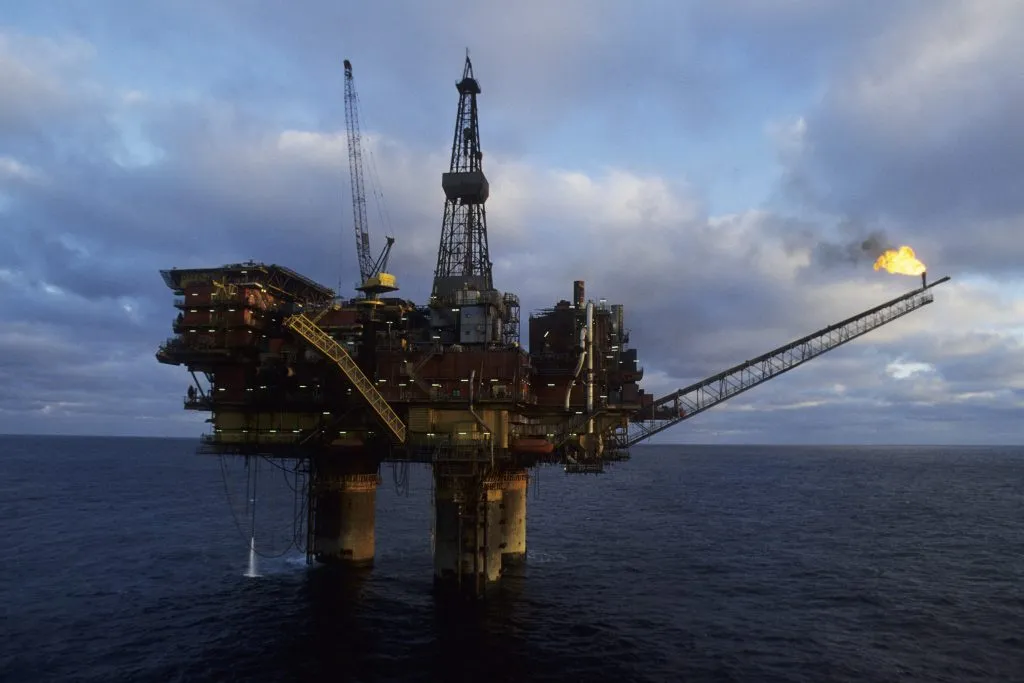
First reported on New Civil Engineer
30 Second Briefing
Enersea in the UK and Dutch firm Carbon Haven are jointly developing an offshore CO₂ injection system to convert depleted North Sea gas platforms into permanent storage sites. The concept focuses on reusing existing jackets, topsides and subsea pipelines to transport and inject captured CO₂ into exhausted gas reservoirs, avoiding new large-diameter trunklines and minimising new offshore construction. For civil and geotechnical engineers, the work centres on verifying long-term well integrity, platform structural capacity under altered loading, and caprock sealing performance for geological containment.
Technical Brief
- Partnership combines Enersea’s offshore engineering capability with Carbon Haven’s subsurface CO₂ storage expertise.
- Focus area is depleted gas platforms in the North Sea, implying legacy well stock and ageing jackets.
- Existing subsea pipelines will require reassessment for CO₂ corrosion resistance, temperature/pressure cycling and flow assurance.
- Structural checks must consider changed topside functional loads from processing to injection, including new pressure equipment.
- Long-term integrity assessments will likely revisit historic well completion data, cement bond logs and abandonment records.
- Geomechanical modelling of depleted reservoirs and overburden will be central to defining safe injection pressures and rates.
Our Take
Using existing North Sea infrastructure for carbon storage in the United Kingdom–Netherlands corridor could materially lower capex and permitting timelines compared with greenfield CO₂ hubs, which is likely to appeal to operators facing tightening EU and UK carbon‑pricing regimes.
With 156 keyword‑matched ‘carbon’ pieces in our database, most attention has been on onshore capture and industrial emitters; offshore injection projects like this one signal that transport and storage capacity is starting to catch up with capture initiatives, a key bottleneck for large‑scale CCS deployment.
Prepared by collating external sources, AI-assisted tools, and Geomechanics.io’s proprietary mining database, then reviewed for technical accuracy & edited by our geotechnical team.
Related Articles


Related Industries & Products
Construction
Quality control software for construction companies with material testing, batch tracking, and compliance management.
Mining
Geotechnical software solutions for mining operations including CMRR analysis, hydrogeological testing, and data management.
QCDB-io
Comprehensive quality control database for manufacturing, tunnelling, and civil construction with UCS testing, PSD analysis, and grout mix design management.