Geomechanics.io

  • Free Tools
Sign UpLog In
Built byBoxcut Studio

Geomechanics.io

Geomechanics, Streamlined.

© 2026 Geomechanics.io. All rights reserved.

Geomechanics.io

CMRR-ioGEODB-ioHYDROGEO-ioQCDB-ioFree Tools & CalculatorsBlogLatest Industry News

Industries

MiningConstructionTunnelling

Company

Terms of UsePrivacy PolicyLinkedIn
    Projects
    Product

    Niron Magnetics’ $1.8bn Alabama plant: supply chain and design notes for engineers

    November 21, 2026|

    Reviewed by Joe Ashwell

    Niron Magnetics’ $1.8bn Alabama plant: supply chain and design notes for engineers

    First reported on MINING.com

    30 Second Briefing

    Niron Magnetics will build a $1.8 billion, 1.6-million-square-foot advanced manufacturing campus at the Westgate Super Site in Dothan, Alabama, centred on a 10,000-ton high-volume plant producing rare-earth-free iron nitride permanent magnets. The facility, Niron’s second after a 1,500‑ton‑per‑year plant scheduled for 2027 in Sartell, is expected to add 700 high-wage jobs within five years and use abundant domestic iron and nitrogen feedstocks instead of neodymium. The project, backed by a separate $150 million, 20‑year US defence loan for Minnesota, signals a shift towards geographically diversified, rare-earth-free magnet supply for automotive, defence and AI infrastructure.

    Technical Brief

    • Iron nitride magnet technology is positioned as a cost-competitive substitute for neodymium-based permanent magnets.
    • Site selection involved comparative assessment of locations in 22 US states before choosing Alabama.
    • A conditional $150 million, 20‑year direct loan supports construction and equipment at the Minnesota plant.
    • Niron’s magnets are already deployed in AI data-centre infrastructure, automotive systems and defence applications.
    • Product applications also include industrial drives and consumer electronics, indicating broad performance envelope requirements.
    • For US supply chains, iron and nitrogen feedstocks enable magnet production decoupled from rare-earth mining regions.

    Our Take

    Niron Magnetics already features in our coverage of nearly $2 billion in US government-backed critical minerals finance, so this Alabama build-out signals that its iron nitride technology is being positioned as a core domestic alternative to neodymium-based imports rather than a niche play.

    The same Department of War’s Office of Strategic Capital that is backing Niron’s Sartell, Minnesota iron nitride plant is also supporting Sunrise Energy Metals and Phoenix Tailings, indicating a coordinated US strategy to pair upstream critical minerals processing with downstream magnet manufacturing capacity.

    Locating a 1.6 million‑square‑foot magnet campus at Alabama’s Westgate Super Site places rare‑earth‑free iron nitride manufacturing close to southeastern US auto and defence supply chains, which likely reduces logistics risk for OEMs compared with sourcing neodymium magnets from overseas or coastal hubs.

    Geotechnical Software for Modern Teams

    Centralise site data, logs, and lab results with GEODB-io, CMRR-io, and HYDROGEO-io.

    Cancel at any time.

    • Save and export unlimited calculations
    • Advanced data visualisation
    • Generate professional PDF reports
    • Cloud storage for all your projects

    Prepared by collating external sources, AI-assisted tools, and Geomechanics.io’s proprietary mining database, then reviewed for technical accuracy & edited by our geotechnical team.

    Related Articles

    Ecocem’s ACT at Westminster retrofit: low‑carbon concrete lessons for engineers
    Materials
    2 days ago

    Ecocem’s ACT at Westminster retrofit: low‑carbon concrete lessons for engineers

    Ecocem’s ACT low-carbon concrete, which can cut cement-related CO₂ by up to 70% and is compatible with standard batching and placement methods, has been specified by Sisk for the TP Bennett-designed retrofit of the former John Lewis HQ at 171 Victoria Street, Westminster. The scheme will deliver over 200,000 sq ft of Grade A workspace while retaining existing steelwork, concrete and around 500 stainless-steel window frames and glazed units in line with Westminster’s retrofit-first policy. ACT has already been proven on more than 40 European projects, including 9,000m³ at Chessy, France, and is backed by Ecocem’s €220m scale-up programme and a dedicated Dunkirk plant due online in 2027.

    Molten Industries US graphite plant: process, energy and CO₂ lens for engineers
    Materials
    3 days ago

    Molten Industries US graphite plant: process, energy and CO₂ lens for engineers

    Molten Industries has commissioned a 300 t/y demonstration plant in Oakland, California, claimed as the world’s first facility producing battery‑grade graphite from natural gas via methane pyrolysis. The single full‑scale modular reactor converts pipeline natural gas to graphite anode material with reported gas‑to‑graphite yields above 95%, while co‑producing clean hydrogen and eliminating graphitisation furnaces and direct CO₂ process emissions. Molten reports 4× cheaper feedstock and 3× lower electricity use than conventional synthetic graphite, signalling a potential domestic alternative to China‑dominated battery graphite processing.

    VEGA: copper is the new gold in smelter level control – lessons for plant engineers
    Materials
    3 days ago

    VEGA: copper is the new gold in smelter level control – lessons for plant engineers

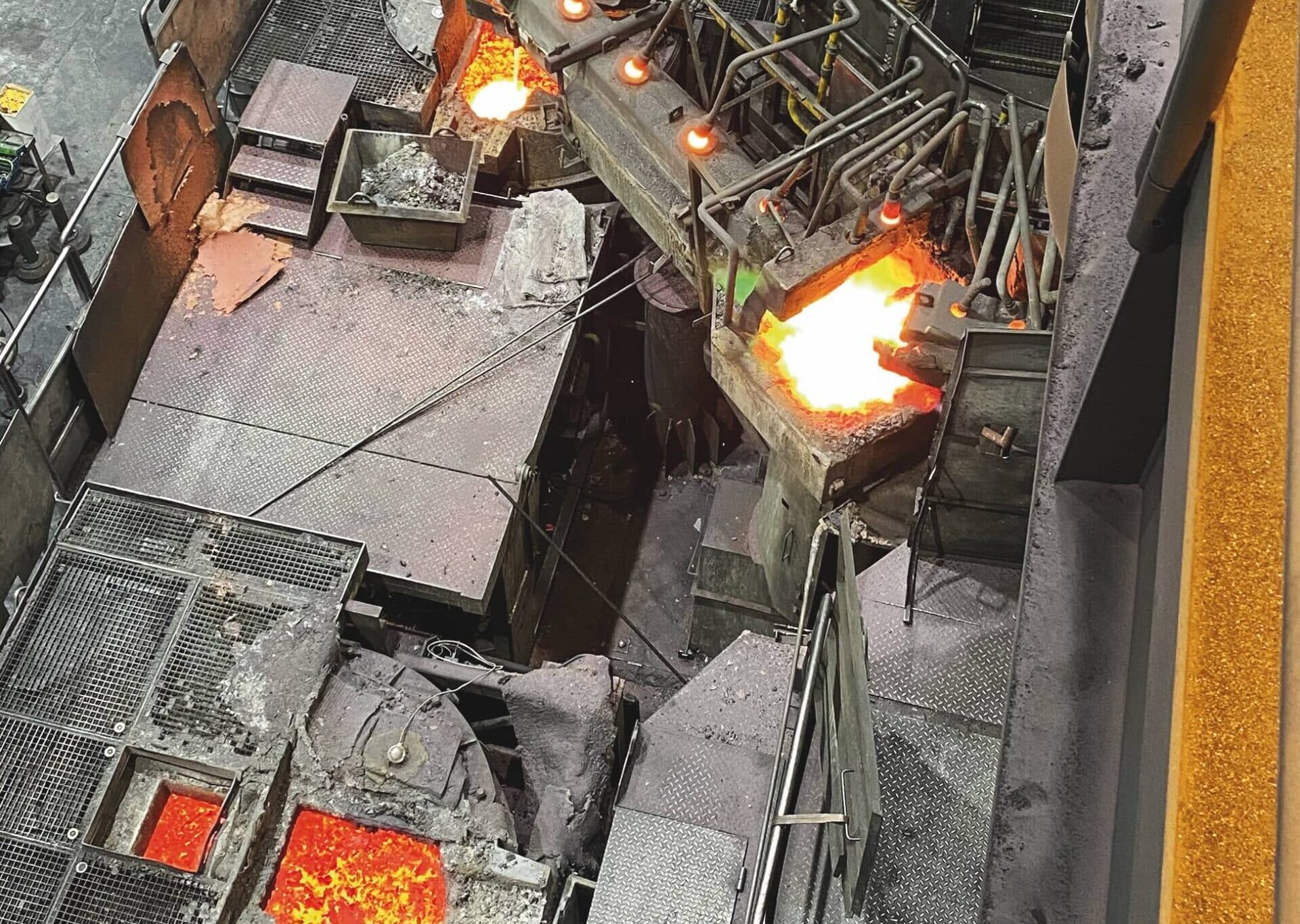
    Montanwerke Brixlegg’s 550‑year‑old copper‑silver smelter in Tyrol is standardising on VEGA radar level instrumentation to control tightly sequenced copper scrap processing. Non-contact radar sensors are being used on high-temperature furnaces, scrap bunkers and process vessels where dust, steam and variable dielectric properties previously challenged mechanical and ultrasonic devices. For plant engineers, the move signals growing confidence in radar for reliable level control in harsh metallurgical environments, supporting stable throughput and tighter process safety margins.

    Related Industries & Products

    Mining

    Geotechnical software solutions for mining operations including CMRR analysis, hydrogeological testing, and data management.

    Construction

    Quality control software for construction companies with material testing, batch tracking, and compliance management.

    CMRR-io

    Streamline coal mine roof stability assessments with our cloud-based CMRR software featuring automated calculations, multi-scenario analysis, and collaborative workflows.

    QCDB-io

    Comprehensive quality control database for manufacturing, tunnelling, and civil construction with UCS testing, PSD analysis, and grout mix design management.

    HYDROGEO-io

    Comprehensive hydrogeological testing platform for managing, analysing, and reporting on packer tests, lugeon values, and hydraulic conductivity assessments.

    AllGeotechnicalInfrastructureHazardsEnvironmental