Geomechanics.io

  • Free Tools
Sign UpLog In
Built byBoxcut Studio

Geomechanics.io

Geomechanics, Streamlined.

© 2026 Geomechanics.io. All rights reserved.

Geomechanics.io

CMRR-ioGEODB-ioHYDROGEO-ioQCDB-ioFree Tools & CalculatorsBlogLatest Industry News

Industries

MiningConstructionTunnelling

Company

Terms of UsePrivacy PolicyLinkedIn
    Product
    Safety

    VEGA: copper is the new gold in smelter level control – lessons for plant engineers

    November 19, 2026|

    Reviewed by Joe Ashwell

    VEGA: copper is the new gold in smelter level control – lessons for plant engineers

    First reported on Roads & Infrastructure (AU)

    30 Second Briefing

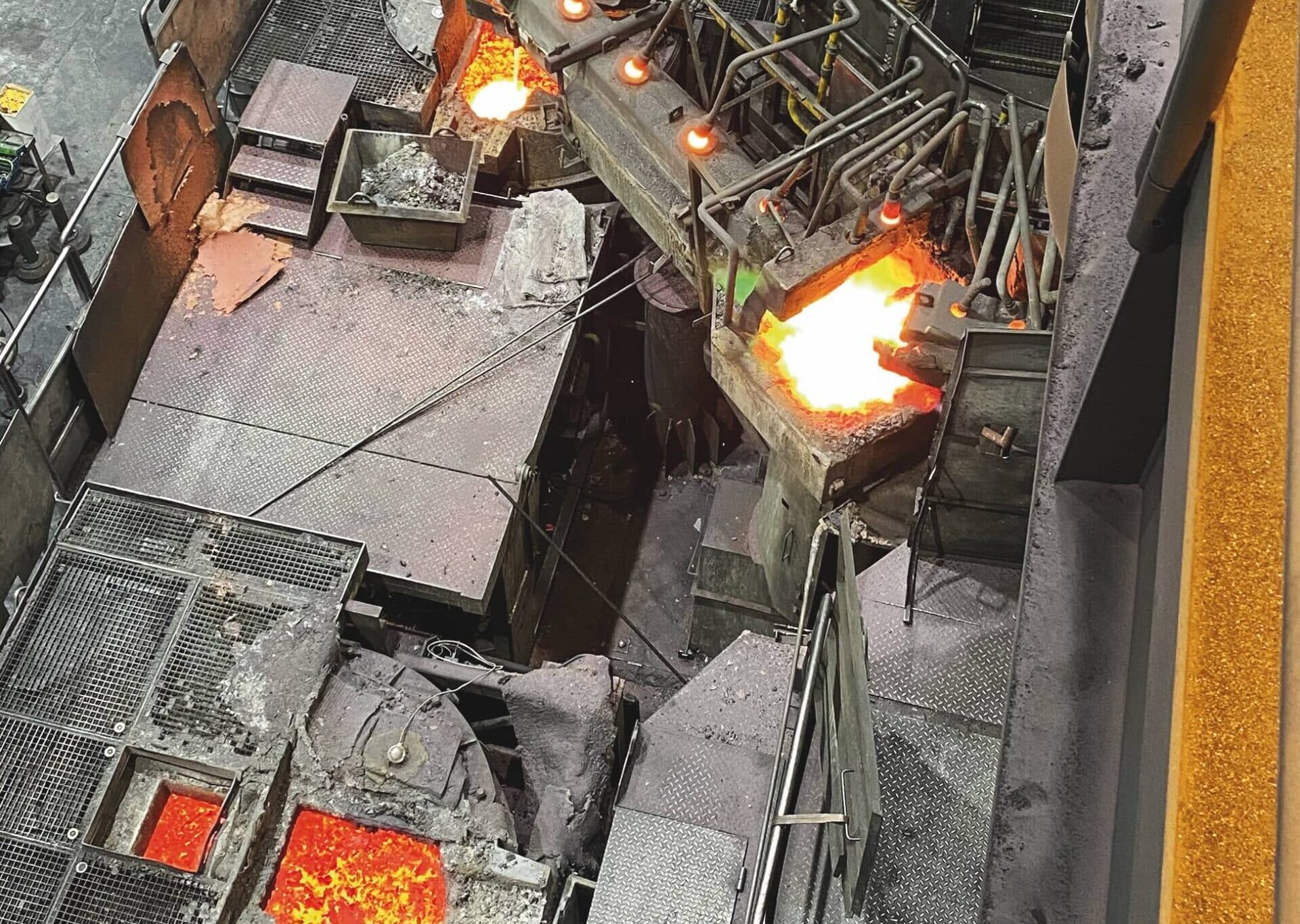
    Montanwerke Brixlegg’s 550‑year‑old copper‑silver smelter in Tyrol is standardising on VEGA radar level instrumentation to control tightly sequenced copper scrap processing. Non-contact radar sensors are being used on high-temperature furnaces, scrap bunkers and process vessels where dust, steam and variable dielectric properties previously challenged mechanical and ultrasonic devices. For plant engineers, the move signals growing confidence in radar for reliable level control in harsh metallurgical environments, supporting stable throughput and tighter process safety margins.

    Technical Brief

    • Non-contact measurement eliminates mechanical linkages in hot zones, reducing failure points and manual intervention exposure.
    • Radar sensors maintain accuracy through dust, steam and fume plumes that previously obscured ultrasonic signals.
    • Stable level control in charge bunkers reduces risk of furnace overfilling, bridging and uncontrolled feed surges.
    • Continuous level feedback enables tighter interlocks on burners and feed systems, improving furnace overpressure protection.
    • Standardising on a single radar platform simplifies SIL assessments, proof testing and spares management for safety loops.
    • Robust level control on molten metal vessels supports safer tapping, overflow prevention and controlled slag–metal separation.

    Our Take

    VEGA’s work at the historic Montanwerke Brixlegg copper‑silver smelter sits alongside its recent deployments in harsher bulk environments such as REGNARS’ melaphyre quarry, signalling that the same radar and radiometric product lines are now being proven across both high‑value metals like copper and lower‑margin aggregates.

    Across our Materials coverage, VEGA appears repeatedly with Roads & Infrastructure Magazine and Australian Mining, suggesting the company is positioning its level and safety instrumentation as a cross‑sector standard for everything from copper and silver smelting to nickel‑cobalt slurry handling in Madagascar.

    With copper tagged in far fewer pieces than iron ore or aggregates in our database, the focus on safety‑oriented product solutions at Brixlegg indicates that copper and silver plants are being used as reference sites to showcase instrumentation performance in more complex, higher‑risk processing circuits.

    Geotechnical Software for Modern Teams

    Centralise site data, logs, and lab results with GEODB-io, CMRR-io, and HYDROGEO-io.

    Cancel at any time.

    • Save and export unlimited calculations
    • Advanced data visualisation
    • Generate professional PDF reports
    • Cloud storage for all your projects

    Prepared by collating external sources, AI-assisted tools, and Geomechanics.io’s proprietary mining database, then reviewed for technical accuracy & edited by our geotechnical team.

    Related Articles

    Molten Industries US graphite plant: process, energy and CO₂ lens for engineers
    Materials
    about 1 hour ago

    Molten Industries US graphite plant: process, energy and CO₂ lens for engineers

    Molten Industries has commissioned a 300 t/y demonstration plant in Oakland, California, claimed as the world’s first facility producing battery‑grade graphite from natural gas via methane pyrolysis. The single full‑scale modular reactor converts pipeline natural gas to graphite anode material with reported gas‑to‑graphite yields above 95%, while co‑producing clean hydrogen and eliminating graphitisation furnaces and direct CO₂ process emissions. Molten reports 4× cheaper feedstock and 3× lower electricity use than conventional synthetic graphite, signalling a potential domestic alternative to China‑dominated battery graphite processing.

    GCCA–Energy Web book and claim registry: practical implications for project carbon targets
    Materials
    about 13 hours ago

    GCCA–Energy Web book and claim registry: practical implications for project carbon targets

    The Global Cement and Concrete Association is partnering with Energy Web to build a low‑carbon “book and claim” registry that decouples verified emissions attributes from the physical cement and concrete traded. The system will allow buyers to procure low‑carbon cement or concrete attributes from remote plants, even where local low‑CO₂ production is unavailable, using digital certificates tied to audited emissions data. For designers and contractors, this could enable project‑level embodied carbon targets to be met through attribute purchases while local supply chains decarbonise more slowly.

    Reynolds Soil Technologies: tailored dust and road binders explained for engineers
    Materials
    1 day ago

    Reynolds Soil Technologies: tailored dust and road binders explained for engineers

    Reynolds Soil Technologies is expanding its global role in dust suppression, erosion control and road stabilisation by tailoring chemical treatments to very specific site conditions rather than relying on generic binders. Its products are being applied on haul roads, unsealed pavements and exposed earthworks across multiple climates, with performance tuned to factors such as fines content, traffic loading and moisture regime. The company is also focusing on operator training and on-site diagnostics, aiming to reduce over-application, improve surface longevity and cut maintenance grading cycles.

    Related Industries & Products

    Mining

    Geotechnical software solutions for mining operations including CMRR analysis, hydrogeological testing, and data management.

    Construction

    Quality control software for construction companies with material testing, batch tracking, and compliance management.

    CMRR-io

    Streamline coal mine roof stability assessments with our cloud-based CMRR software featuring automated calculations, multi-scenario analysis, and collaborative workflows.

    HYDROGEO-io

    Comprehensive hydrogeological testing platform for managing, analysing, and reporting on packer tests, lugeon values, and hydraulic conductivity assessments.

    GEODB-io

    Centralised geotechnical data management solution for storing, accessing, and analysing all your site investigation and material testing data.

    AllGeotechnicalInfrastructureHazardsEnvironmental