Geomechanics.io

  • Free Tools
Sign UpLog In

Geomechanics.io

Geomechanics, Streamlined.

© 2026 Geomechanics.io. All rights reserved.

Geomechanics.io

CMRR-ioGEODB-ioHYDROGEO-ioQCDB-ioFree Tools & CalculatorsBlogLatest Industry News

Industries

MiningConstructionTunnelling

Company

Terms of UsePrivacy PolicyLinkedIn
    Failure
    Safety
    Projects

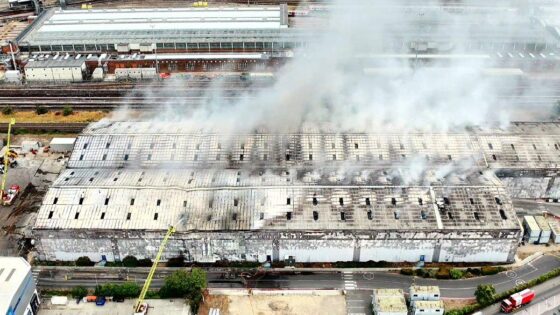
    LondonEnergy Wembley Waste Transfer Station fire: structural and fire design lessons

    August 29, 2026|

    Reviewed by Tom Sullivan

    LondonEnergy Wembley Waste Transfer Station fire: structural and fire design lessons

    First reported on New Civil Engineer

    30 Second Briefing

    A major fire at LondonEnergy’s Wembley Waste Transfer Station on Hannah Close, Neasden, has required 20 fire engines and about 125 firefighters to bring the blaze under control. The incident at the enclosed waste-handling facility raises immediate concerns over structural integrity of steel frames, cladding performance under high thermal loads, and potential damage to concrete slabs from prolonged heating and quenching. Engineers will need rapid assessment of fire spread pathways through waste stockpiles and building services to inform repairs, resilience upgrades and future fire-separation design.

    Technical Brief

    • Fire scene examination will require phased debris removal, origin-and-cause analysis and segregation of potentially hazardous residues.
    • Safety review is expected to scrutinise hot-work permits, waste acceptance controls, segregation of flammable fractions and staff emergency drills.
    • Similar enclosed waste facilities may revisit fire load calculations, compartmentation layouts and active suppression provisions in light of this event.

    Our Take

    A deployment of around 20 appliances and 125 firefighters at LondonEnergy’s Wembley Waste Transfer Station places this among the more resource-intensive incidents in the 27 Hazards stories, signalling that waste-handling facilities remain a high-consequence node in urban infrastructure risk profiles.

    Because New Civil Engineer is already prominent in our database for coverage of BIM, common data environments and asset management webinars, this incident is likely to feed into discussions on how digital asset data for facilities like Wembley in Neasden can be used to improve fire-prevention design and operational response planning.

    For operators of similar waste transfer projects captured under the wider 2,532 tag-matched pieces, a fire on this scale at a LondonEnergy site underlines the need to treat fire engineering, compartmentation and emergency access as primary design drivers rather than secondary compliance items in project delivery.

    Geotechnical Software for Modern Teams

    Centralise site data, logs, and lab results with GEODB-io, CMRR-io, and HYDROGEO-io.

    No credit card required.

    • Save and export unlimited calculations
    • Advanced data visualisation
    • Generate professional PDF reports
    • Cloud storage for all your projects

    Prepared by collating external sources, AI-assisted tools, and Geomechanics.io’s proprietary mining database, then reviewed for technical accuracy & edited by our geotechnical team.

    Related Articles
    Nuclear Waste Services 5 m wildlife tower: design and risk notes for LLWR engineers
    Hazards
    about 7 hours ago

    Nuclear Waste Services 5 m wildlife tower: design and risk notes for LLWR engineers

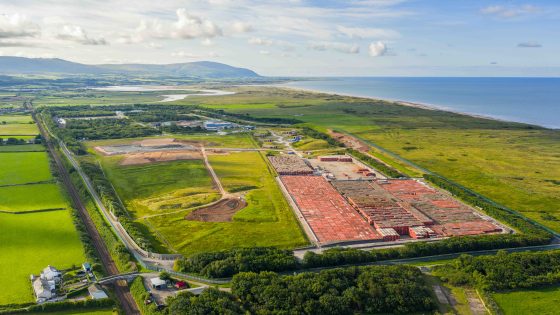
    Plans for a 5m tall wildlife tower at Nuclear Waste Services’ Low Level Waste Repository (LLWR) in Cumbria set out a dedicated habitat structure within an active nuclear waste site, integrating ecological features into a highly regulated industrial landscape. The tower will be sited within the LLWR perimeter, requiring careful foundation design and construction sequencing around existing low-level waste vaults and engineered cap systems. For civil and geotechnical teams, the scheme signals growing expectations to incorporate biodiversity structures into nuclear and hazardous waste infrastructure without compromising containment performance.

    Birmingham flash floods: surface‑first drainage lessons for urban designers
    Hazards
    about 7 hours ago

    Birmingham flash floods: surface‑first drainage lessons for urban designers

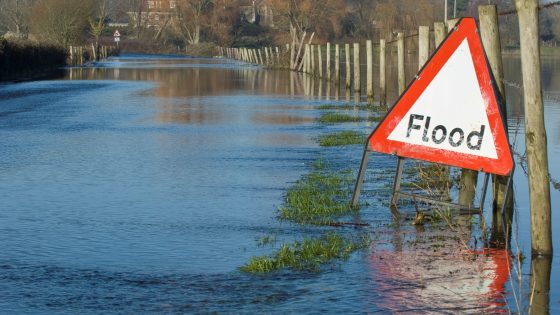
    Flash flooding in Birmingham on 27 August, triggered by intense short‑duration rainfall on parched, largely impermeable urban surfaces, overwhelmed a combined sewer network sized for historic return periods rather than today’s convective storm patterns. Drainage specialists are calling for a “surface‑first” strategy using blue‑green infrastructure such as swales, rain gardens and permeable paving to attenuate runoff before it reaches pipes. For designers, the event reinforces the need to prioritise exceedance routing, overland flow paths and retrofit SuDS over simply upsizing buried sewers.

    Envirocall solar DCUs: design and deployment notes for asbestos site teams
    Hazards
    2 days ago

    Envirocall solar DCUs: design and deployment notes for asbestos site teams

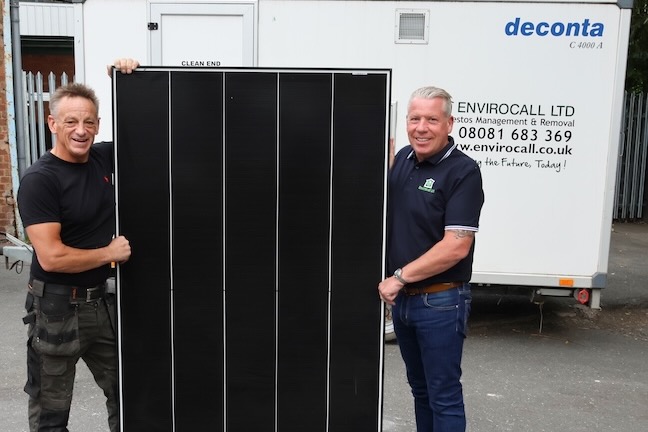
    Envirocall is converting all 19 asbestos decontamination units to off‑grid solar power systems engineered with D G Electrical Services, removing dependence on mains electricity at site. Each three‑stage DCU comprises a dirty zone for stripping contaminated PPE and tools, a hot/cold shower section for fibre removal, and a clean area for redressing, with the new solar arrays and storage sized to run showers, lighting and ventilation autonomously. The move enables DCU deployment on remote or constrained sites where temporary grid connections or diesel generators are costly or impractical.

    Related Industries & Products

    Construction

    Quality control software for construction companies with material testing, batch tracking, and compliance management.

    Mining

    Geotechnical software solutions for mining operations including CMRR analysis, hydrogeological testing, and data management.

    CMRR-io

    Streamline coal mine roof stability assessments with our cloud-based CMRR software featuring automated calculations, multi-scenario analysis, and collaborative workflows.

    HYDROGEO-io

    Comprehensive hydrogeological testing platform for managing, analysing, and reporting on packer tests, lugeon values, and hydraulic conductivity assessments.

    GEODB-io

    Centralised geotechnical data management solution for storing, accessing, and analysing all your site investigation and material testing data.

    AllGeotechnicalInfrastructureHazardsEnvironmental