Geomechanics.io

  • Free Tools
Sign UpLog In
Built byBoxcut Studio

Geomechanics.io

Geomechanics, Streamlined.

© 2026 Geomechanics.io. All rights reserved.

Geomechanics.io

CMRR-ioGEODB-ioHYDROGEO-ioQCDB-ioFree Tools & CalculatorsBlogLatest Industry News

Industries

MiningConstructionTunnelling

Company

Terms of UsePrivacy PolicyLinkedIn
    Projects
    Research
    Safety

    Fens Reservoir earthworks trials: settlement and seepage lessons for engineers

    November 21, 2026|

    Reviewed by Tom Sullivan

    Fens Reservoir earthworks trials: settlement and seepage lessons for engineers

    First reported on New Civil Engineer

    30 Second Briefing

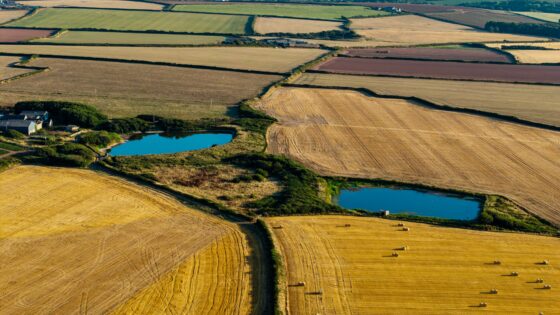
    Consultation has opened on temporary earthworks trials by Anglian Water and Cambridge Water to test construction methods for a proposed £2.2bn strategic reservoir in the Cambridgeshire Fens. The trials will focus on how to build and compact large embankments in low-lying, soft ground typical of fenland, de-risking long-term settlement and seepage behaviour before full design is finalised. Outcomes will influence material selection, ground improvement strategy and construction sequencing for the main reservoir earthworks.

    Technical Brief

    • Temporary earthworks trials are being promoted jointly by Anglian Water and Cambridge Water as scheme sponsors.
    • Consultation focuses on a proposed £2.2bn strategic reservoir located in the low-lying Cambridgeshire Fens.

    Our Take

    Recent enforcement action against Anglian Water over untreated sewage discharges in Essex means that geotechnical design and construction methodology at the Fens Reservoir will be scrutinised not just for stability and safety, but also for how earthworks phasing and temporary works minimise environmental risk to the surrounding Fens landscape.

    Geotechnical Software for Modern Teams

    Centralise site data, logs, and lab results with GEODB-io, CMRR-io, and HYDROGEO-io.

    Cancel at any time.

    • Save and export unlimited calculations
    • Advanced data visualisation
    • Generate professional PDF reports
    • Cloud storage for all your projects

    Prepared by collating external sources, AI-assisted tools, and Geomechanics.io’s proprietary mining database, then reviewed for technical accuracy & edited by our geotechnical team.

    Related Articles

    Geobear stabilises Hackbridge Station: geopolymer injection lessons for ground engineers
    Geotechnical
    2 days ago

    Geobear stabilises Hackbridge Station: geopolymer injection lessons for ground engineers

    Geobear has stabilised foundations at Hackbridge Station in South London by injecting expanding geopolymer beneath an 1868 station extension instead of using traditional underpinning. More than 30 injection points at 1 m centres were drilled through the existing floor, with steel tubes delivering material at three treatment depths to about 3 m, targeting clay weakened by historic drainage failures and waterlogged conditions at 1.3–3.3 m depth. The non-vibratory, internal-only works avoided major excavation near live Southern and Thameslink infrastructure and reduced risk of inducing further differential movement.

    Former Australian coal mine solar and battery: geotechnical lessons for engineers
    Geotechnical
    4 days ago

    Former Australian coal mine solar and battery: geotechnical lessons for engineers

    A 176MW solar farm with a 100MWh battery system is being built on a former coal mine site near Muswellbrook in New South Wales, repurposing disturbed land for large-scale renewable generation. Converting the pit and spoil areas to PV arrays and battery pads will require detailed geotechnical validation of backfilled ground, settlement behaviour and drainage, along with management of any residual mine subsidence. For civil contractors, the project offers brownfield grid connection advantages but demands careful earthworks, foundation design and contamination control.

    Low water storage levels: on-farm reservoirs and design notes for engineers
    Geotechnical
    9 days ago

    Low water storage levels: on-farm reservoirs and design notes for engineers

    Below-average water levels in England’s strategic reservoirs are prompting industry bodies to push for easier planning and permitting of on-farm reservoirs to secure irrigation supplies. Proposals focus on small to medium earth-bunded storage ponds drawing winter high flows from local rivers or boreholes, with lined embankments and controlled abstraction to protect low summer flows. For civil and geotechnical engineers, this signals rising demand for costed designs, slope stability assessments and leakage control for numerous dispersed reservoirs on agricultural land.

    Related Industries & Products

    Construction

    Quality control software for construction companies with material testing, batch tracking, and compliance management.

    Mining

    Geotechnical software solutions for mining operations including CMRR analysis, hydrogeological testing, and data management.

    QCDB-io

    Comprehensive quality control database for manufacturing, tunnelling, and civil construction with UCS testing, PSD analysis, and grout mix design management.

    AllGeotechnicalInfrastructureHazardsEnvironmental