Geomechanics.io

  • Free Tools
Sign UpLog In

Geomechanics.io

Geomechanics, Streamlined.

© 2026 Geomechanics.io. All rights reserved.

Geomechanics.io

CMRR-ioGEODB-ioHYDROGEO-ioQCDB-ioFree Tools & CalculatorsBlogLatest Industry News

Industries

MiningConstructionTunnelling

Company

Terms of UsePrivacy PolicyLinkedIn
    Product
    Projects

    Etex H1 2026 revenue and cash flow: procurement takeaways for project teams

    September 2, 2026|

    Reviewed by Tom Sullivan

    Etex H1 2026 revenue and cash flow: procurement takeaways for project teams

    First reported on The Construction Index

    30 Second Briefing

    Revenue at Belgian building materials group Etex rose 4.9% in H1 2026, with cash flow up 8.8%, driven by stronger demand across several global markets. The supplier of lightweight construction systems, fibre cement boards and plasterboard reported that France and the UK lagged, reflecting weaker residential activity and delayed refurbishment work. For contractors and specifiers, the figures signal continued availability and investment capacity in Etex’s product lines, but with potentially tighter pricing and lead times in underperforming Western European markets.

    Technical Brief

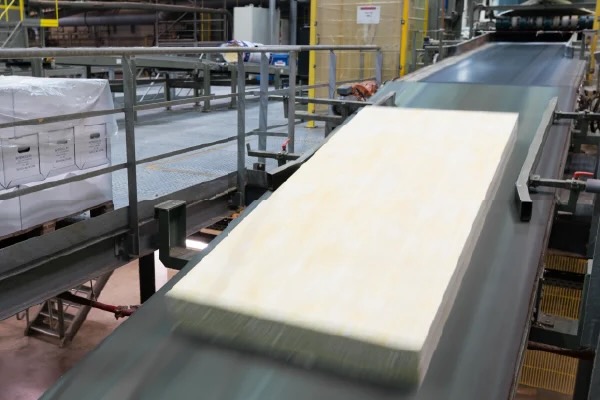
    • Plasterboard volumes are a major driver, particularly for partitioning, lining and acoustic performance specifications.
    • Etex’s portfolio targets dry construction, reducing on-site water use and curing time versus traditional masonry.
    • Fibre cement products are widely used for ventilated façades, roofing and cladding in high-humidity environments.
    • For tunnelling and infrastructure fit-out, stable plasterboard and board supply supports predictable lining and fire-rating design.
    • Structural engineers can expect continued availability of certified lightweight systems compatible with Eurocode-based design.

    Our Take

    The earlier 2025 upgrade at Etex-owned Siniat’s Bristol plasterboard line, which cut product carbon intensity, suggests part of the 2026 revenue and cash flow uplift is likely being underpinned by higher-margin, lower-emission board products in the UK market.

    The combination of rising cash flow and recent capex into production efficiency at Siniat positions Etex to fund further process upgrades or regional capacity shifts without relying on external deals, which is notable in a category where many peers are turning to joint ventures or asset sales.

    Geotechnical Software for Modern Teams

    Centralise site data, logs, and lab results with GEODB-io, CMRR-io, and HYDROGEO-io.

    No credit card required.

    • Save and export unlimited calculations
    • Advanced data visualisation
    • Generate professional PDF reports
    • Cloud storage for all your projects

    Prepared by collating external sources, AI-assisted tools, and Geomechanics.io’s proprietary mining database, then reviewed for technical accuracy & edited by our geotechnical team.

    Related Articles

    IperionX US Army titanium deal: process scale‑up and design notes for engineers
    Materials
    1 day ago

    IperionX US Army titanium deal: process scale‑up and design notes for engineers

    IperionX has secured a US Army SBIR Phase III contract allowing US defence agencies to place titanium orders up to a collective $99 million, with the first two task orders worth about $19.8 million. Funding will expand integrated titanium powder-to-finished-component production at its Virginia facility, adding continuous HSPT and dehydride furnace capacity and bringing titanium fastener finishing fully in-house. The programme targets industrial-scale manufacture of titanium track pins, bolts and fasteners, with inspection and acceptance planned at Detroit Arsenal and Aberdeen Proving Ground, and may extend to aerospace‑grade components.

    Doka carbon cost data: practical implications for formwork design and LCA
    Materials
    4 days ago

    Doka carbon cost data: practical implications for formwork design and LCA

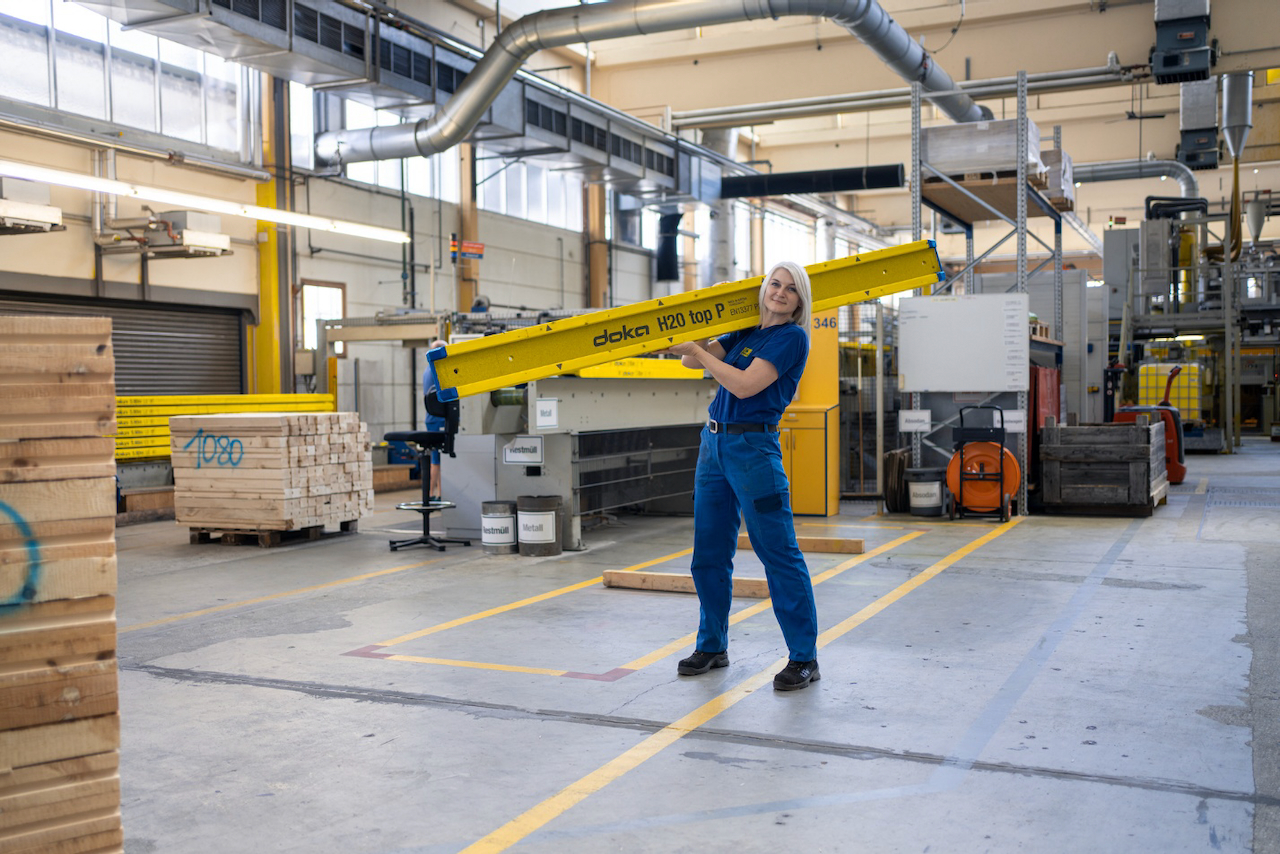
    Doka has published product carbon footprints for more than 9,000 formwork and related products, giving contractors project-specific CO₂ data for lifecycle assessments and procurement decisions. The company, led on sustainability by Julia Weber, is targeting net zero by 2040 and has committed to cut Scope 1, 2 and 3 emissions by 42% by 2030, in line with the Science Based Targets initiative and the Paris Agreement 1.5°C pathway. For designers and temporary works engineers, the expanded dataset enables more accurate embodied carbon calculations at product and system level.

    New materials in road construction: design and QA takeaways for engineers
    Materials
    5 days ago

    New materials in road construction: design and QA takeaways for engineers

    Modern highway construction is shifting towards low-carbon materials such as geopolymer concrete, high-recycled-content asphalt and bio-based binders to cut embodied CO₂ and improve performance under higher traffic loads and more intense rainfall. Designers are trialling warm-mix asphalt to reduce laying temperatures by 20–40°C and using secondary aggregates from construction and demolition waste to limit quarrying and landfill. Key challenges include variable material quality, limited long-term durability data, gaps in standards and specifications, and the need to adapt pavement design methods and site quality control.

    Related Industries & Products

    Construction

    Quality control software for construction companies with material testing, batch tracking, and compliance management.

    Tunnelling

    Specialised solutions for tunnelling projects including grout mix design, hydrogeological analysis, and quality control.

    QCDB-io

    Comprehensive quality control database for manufacturing, tunnelling, and civil construction with UCS testing, PSD analysis, and grout mix design management.

    AllGeotechnicalInfrastructureHazardsEnvironmental