Geomechanics.io

  • Free Tools
Sign UpLog In
Built byBoxcut Studio

Geomechanics.io

Geomechanics, Streamlined.

© 2026 Geomechanics.io. All rights reserved.

Geomechanics.io

CMRR-ioGEODB-ioHYDROGEO-ioQCDB-ioFree Tools & CalculatorsBlogLatest Industry News

Industries

MiningConstructionTunnelling

Company

Terms of UsePrivacy PolicyLinkedIn
    Projects
    Sustainability

    Eryri hydroelectric dam approval reversed: planning lessons for UK project teams

    October 13, 2026|

    Reviewed by Joe Ashwell

    Eryri hydroelectric dam approval reversed: planning lessons for UK project teams

    First reported on New Civil Engineer

    30 Second Briefing

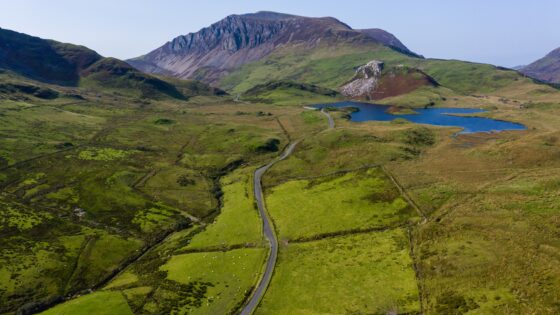
    Eryri National Park Authority has withdrawn its own planning approval for a proposed hydroelectric dam in north Wales after legal pressure from campaigners over environmental impacts. The scheme, intended to generate low‑carbon power from an upland catchment within the protected landscape, faced objections over river ecology, habitat disturbance and construction access in sensitive terrain. Designers and contractors now face greater uncertainty for small hydro and other linear infrastructure within UK national parks, particularly around cumulative impacts on headwater streams and designated habitats.

    Technical Brief

    • Eryri National Park Authority acted as both planning authority and decision‑maker for the hydro scheme.

    Geotechnical Software for Modern Teams

    Centralise site data, logs, and lab results with GEODB-io, CMRR-io, and HYDROGEO-io.

    No credit card required.

    • Save and export unlimited calculations
    • Advanced data visualisation
    • Generate professional PDF reports
    • Cloud storage for all your projects

    Prepared by collating external sources, AI-assisted tools, and Geomechanics.io’s proprietary mining database, then reviewed for technical accuracy & edited by our geotechnical team.

    Related Articles

    Sandilands Lincolnshire golf course-to-reserve: earthworks and access lessons for designers
    Environmental
    about 2 hours ago

    Sandilands Lincolnshire golf course-to-reserve: earthworks and access lessons for designers

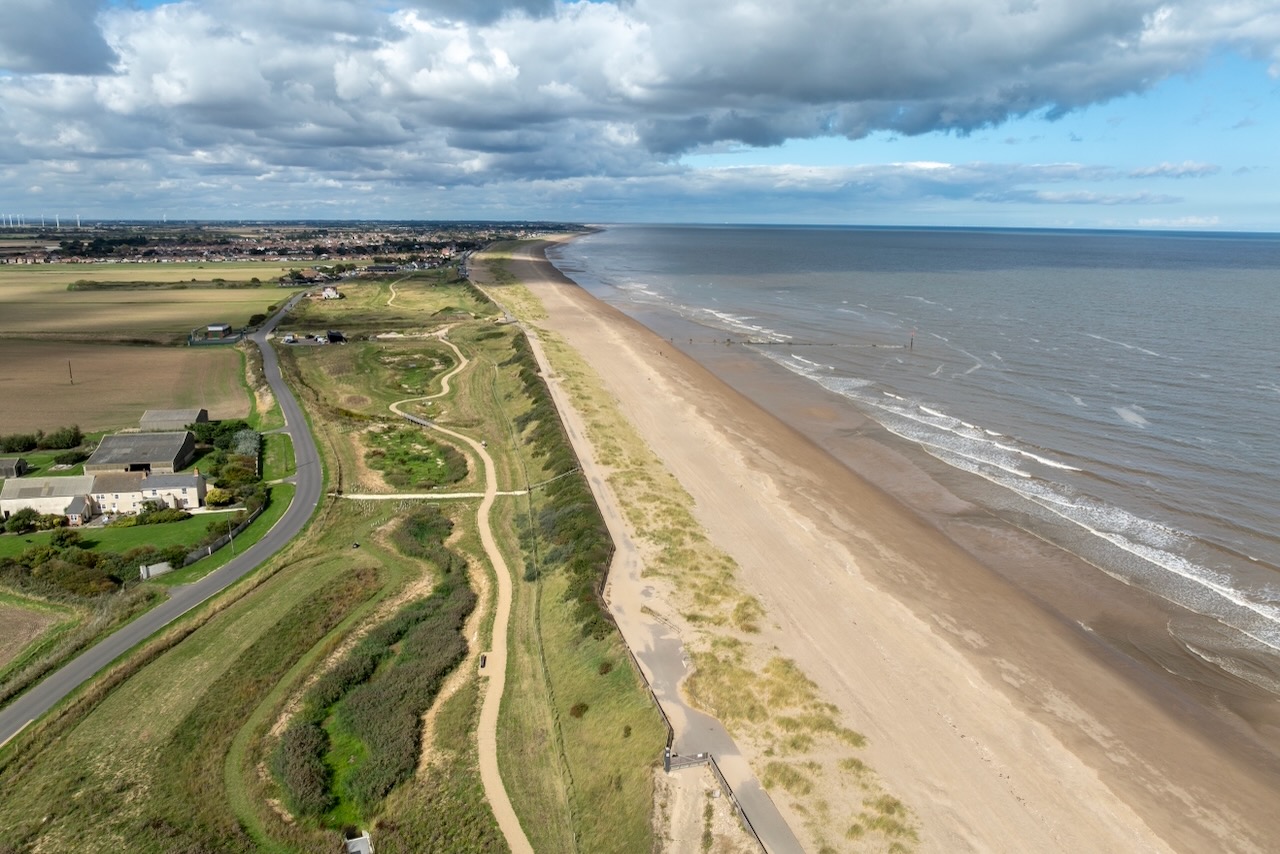
    A former 30-hectare golf course at Sandilands on the Lincolnshire coast has been converted by the National Trust into a wetland nature reserve after a six-year programme of planning, consultation and earthworks. Lead consultant Influence Landscape Planning & Design regraded fairways into a mosaic of wetlands, grassland and coastal scrub, with accessible boardwalks, trails and a new visitor hub including café, expanded car parking and changing place facilities. The reserve sits within Lincolnshire Coastal Country Park on the East Coast Flyway, targeting habitat gains for thousands of migratory birds.

    Sewage discharges under-reported: implications for UK drainage engineers
    Environmental
    5 days ago

    Sewage discharges under-reported: implications for UK drainage engineers

    England’s nine water and sewerage companies failed to report more than 50,000 sewage discharges within the legally required timeframe in the first half of 2026, according to campaign group Surfers Against Sewage. The missed notifications affect storm overflow and combined sewer outfall events that should trigger rapid incident reporting to regulators and local authorities. For drainage and wastewater engineers, the scale of under-reporting complicates network performance assessment, spill frequency analysis and the design of storage, screening and real-time control upgrades.

    England’s low reservoir levels: operational implications for water engineers
    Environmental
    8 days ago

    England’s low reservoir levels: operational implications for water engineers

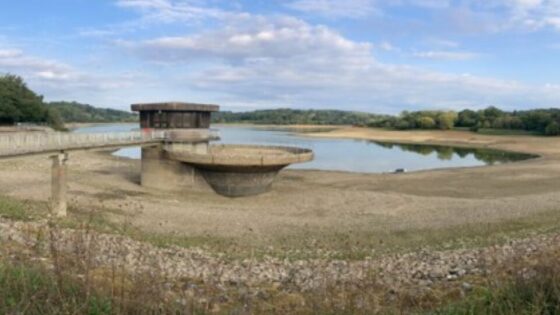
    Most reservoirs in England are now at “notably” or “exceptionally” low storage levels after a sixth consecutive dry month, triggering government intervention and temporary drought measures to safeguard public supply. The Environment Agency has activated drought plans and is working with water companies on options including reduced abstraction from sensitive catchments and accelerated deployment of temporary use bans. Civil and water engineers should anticipate tighter operating constraints on raw water intakes, revised yield assumptions for treatment works, and potential fast‑tracked resilience schemes such as inter‑basin transfers and leakage reduction projects.

    Related Industries & Products

    Construction

    Quality control software for construction companies with material testing, batch tracking, and compliance management.

    QCDB-io

    Comprehensive quality control database for manufacturing, tunnelling, and civil construction with UCS testing, PSD analysis, and grout mix design management.

    AllGeotechnicalInfrastructureHazardsEnvironmental