Geomechanics.io

  • Free Tools
Sign UpLog In

    Geomechanics.io

    Geomechanics, Streamlined.

    © 2026 Geomechanics.io. All rights reserved.

    Geomechanics.io

    CMRR-ioGEODB-ioHYDROGEO-ioQCDB-ioFree Tools & CalculatorsBlogLatest Industry News

    Industries

    MiningConstructionTunnelling

    Company

    Terms of UsePrivacy PolicyLinkedIn
    Projects
    Product
    Safety

    Epiroc’s Pit Viper: autonomous drilling lessons for mine planners and D&B engineers

    December 19, 2025|

    Reviewed by Tom Sullivan

    Epiroc’s Pit Viper: autonomous drilling lessons for mine planners and D&B engineers

    First reported on International Mining – News

    30 Second Briefing

    Epiroc’s Pit Viper blasthole drill, introduced 25 years ago, remains a flagship high‑capacity rig in large open pits, combining high power with flexible mast and hole configurations for production drilling. The platform has operated autonomously for the past decade, with fleets running driverless drill patterns and remote supervision from control centres rather than on‑bench cabins. For mine planners and drill‑and‑blast engineers, the Pit Viper’s long autonomous track record is a key reference point for integrating automated drilling into existing benches, patterns and safety envelopes.

    Technical Brief

    • Pit Viper rigs integrate high‑pressure rotary or DTH drilling systems for large‑diameter blastholes.
    • Mast options allow multiple bench heights and angled drilling, reducing secondary blasting and wall instability.
    • Onboard drill management systems regulate weight‑on‑bit and rotation torque to minimise bit failure and rod breakage.
    • Autonomous operation removes personnel from high‑risk benches, eliminating exposure to flyrock and fall‑of‑ground.
    • Collision‑avoidance and geofencing functions enforce exclusion zones around rigs and active blast areas.
    • Remote health monitoring flags over‑pull, stuck pipe and deviation issues before they escalate to safety incidents.
    • Data logging of penetration rate and torque supports geotechnical domains and blast design refinement across benches.

    Our Take

    Epiroc is one of the more frequently recurring OEMs in our 393 Mining stories, and pairing a 25‑year Pit Viper platform with newer launches like the COPROD 89 drilling system suggests the company is deliberately extending the life of its installed base rather than betting solely on clean‑sheet rig designs.

    Having Pit Viper rigs running autonomously for around a decade gives Epiroc a long operational data history, which operators can leverage to de‑risk adoption of newer drilling systems such as COPROD 89 by benchmarking performance and maintenance against a mature automation reference.

    Within the 810 tag‑matched pieces on Projects, Product and Safety, Epiroc’s automation track record on Pit Viper positions it as a reference case when mines evaluate safety cases for autonomous blasthole drilling, especially where regulators or unions want evidence from long‑running fleets rather than pilot trials.

    Geotechnical Software for Modern Teams

    Centralise site data, logs, and lab results with GEODB-io, CMRR-io, and HYDROGEO-io.

    No credit card required.

    • Save and export unlimited calculations
    • Advanced data visualisation
    • Generate professional PDF reports
    • Cloud storage for all your projects

    Prepared by collating external sources, AI-assisted tools, and Geomechanics.io’s proprietary mining database, then reviewed for technical accuracy & edited by our geotechnical team.

    Related Articles
    Motion in-situ machining at Australian mines: outage and risk notes for engineers
    Mining
    about 16 hours ago

    Motion in-situ machining at Australian mines: outage and risk notes for engineers

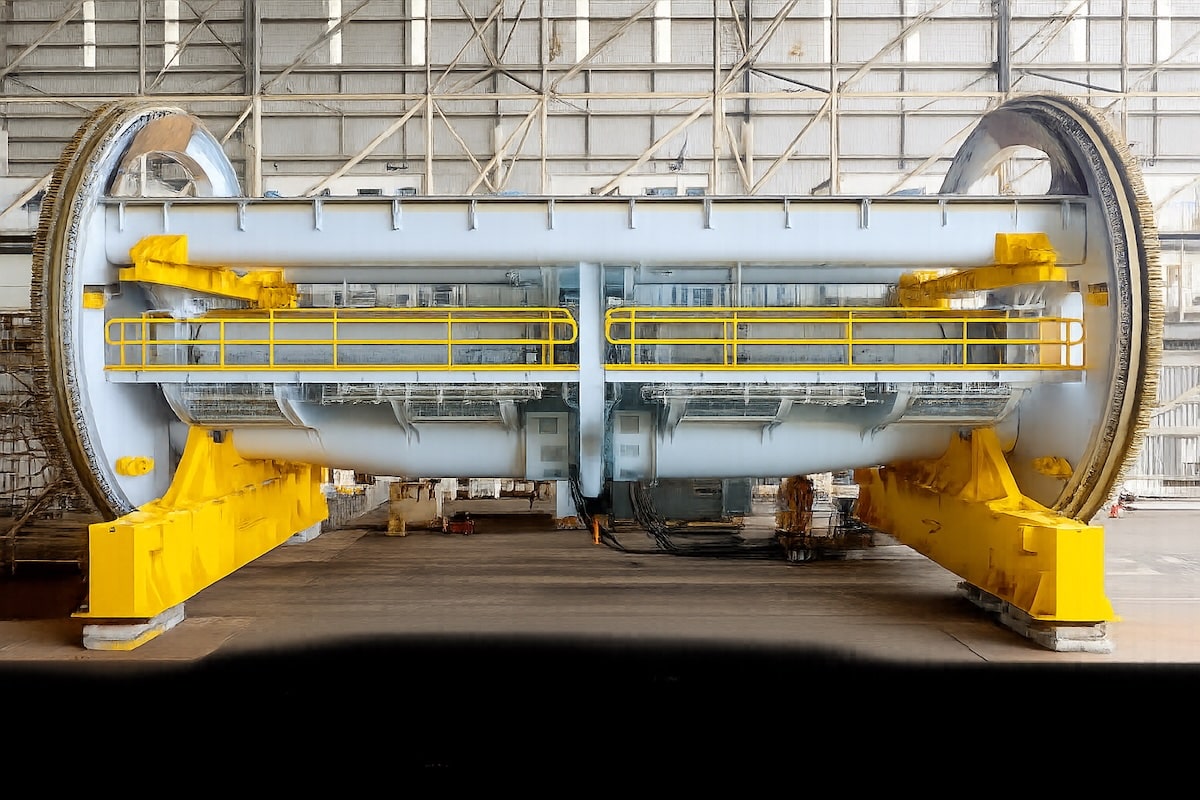
    Motion is deploying in-situ machining services to Australian mine sites, bringing line-boring, flange facing and journal repair directly to assets such as car dumpers, draglines and large gearboxes that are too large or time-critical to dismantle. Using portable CNC and orbital machining rigs, technicians can restore bearing seats, slew rings and mill trunnions to tolerance without removing them from foundations or structural frames. The approach reduces crane lifts and transport of multi-tonne components, cutting outage durations and geotechnical or structural risk associated with repeated disassembly.

    ARC mining technologies: integration and retrofit takeaways for engineers
    Mining
    about 16 hours ago

    ARC mining technologies: integration and retrofit takeaways for engineers

    Four mining technologies from the ARC Training Centre for Integrated Operations for Complex Resources are now ready for field trials, including a digital twin platform for complex orebodies, real-time sensor fusion for ore characterisation, and AI-based decision support for integrated mine-to-mill control. The suite targets data-driven optimisation of drilling, blasting, and processing, with pilots seeking partners across hard-rock operations and brownfield plants. For engineers, the work signals near-term opportunities to plug advanced analytics and automation into existing fleets and control rooms without full greenfield redesigns.

    Rethinking optimisation in mining supply chains: transformer design lens for engineers
    Mining
    about 16 hours ago

    Rethinking optimisation in mining supply chains: transformer design lens for engineers

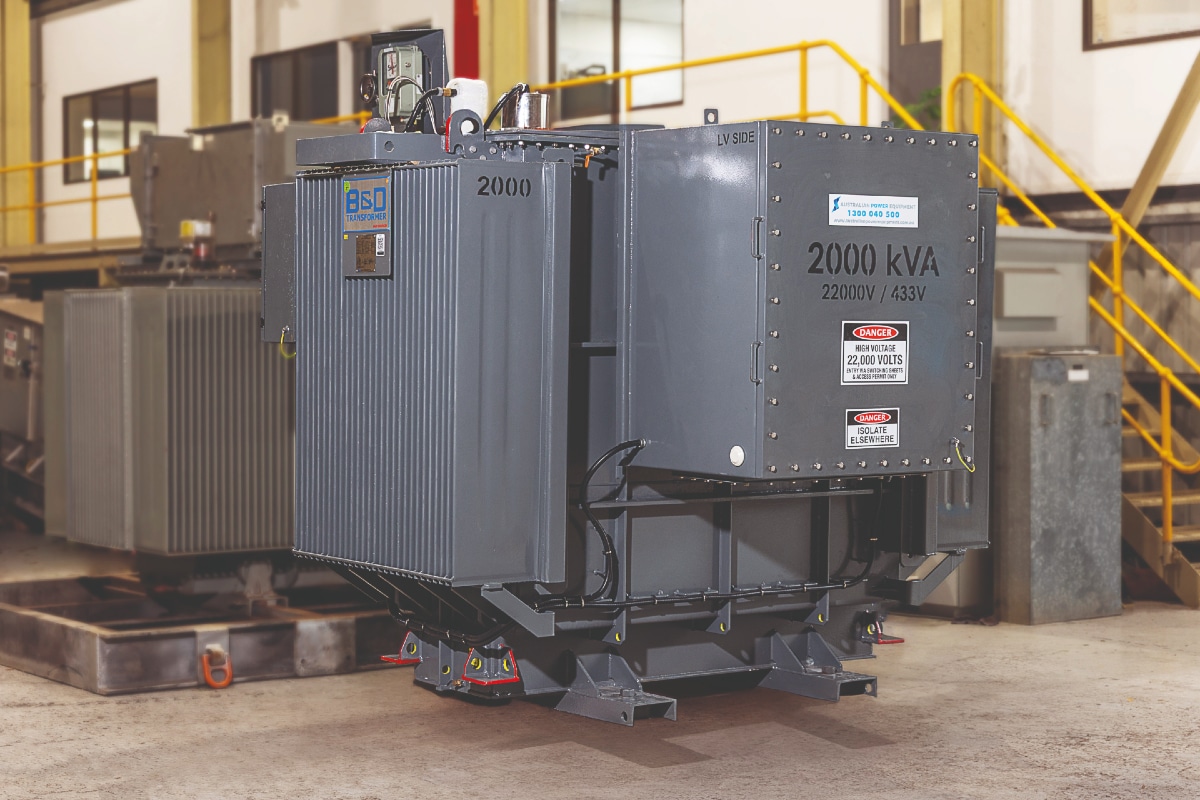
    Australian Power Equipment is reframing mine-site optimisation around transformer reliability, availability and lifecycle performance rather than lowest upfront cost, supplying B&D transformers filled with FR3 natural ester fluid instead of mineral oil or diesel-based coolants. The FR3 ester offers higher fire point and biodegradability, enabling compact substation layouts closer to plant and reduced bunding requirements, which can simplify brownfield expansions. For engineers, the shift pushes whole-of-life asset modelling, factoring in longer insulation life, fewer unplanned outages and reduced supply chain risk for critical electrical equipment.

    Related Industries & Products

    Mining

    Geotechnical software solutions for mining operations including CMRR analysis, hydrogeological testing, and data management.

    CMRR-io

    Streamline coal mine roof stability assessments with our cloud-based CMRR software featuring automated calculations, multi-scenario analysis, and collaborative workflows.

    HYDROGEO-io

    Comprehensive hydrogeological testing platform for managing, analysing, and reporting on packer tests, lugeon values, and hydraulic conductivity assessments.

    GEODB-io

    Centralised geotechnical data management solution for storing, accessing, and analysing all your site investigation and material testing data.

    AllGeotechnicalInfrastructureHazardsEnvironmental