Geomechanics.io

  • Free Tools
Sign UpLog In

Geomechanics.io

Geomechanics, Streamlined.

© 2026 Geomechanics.io. All rights reserved.

Geomechanics.io

CMRR-ioGEODB-ioHYDROGEO-ioQCDB-ioFree Tools & CalculatorsBlogLatest Industry News

Industries

MiningConstructionTunnelling

Company

Terms of UsePrivacy PolicyLinkedIn
    Product
    Sustainability
    Projects

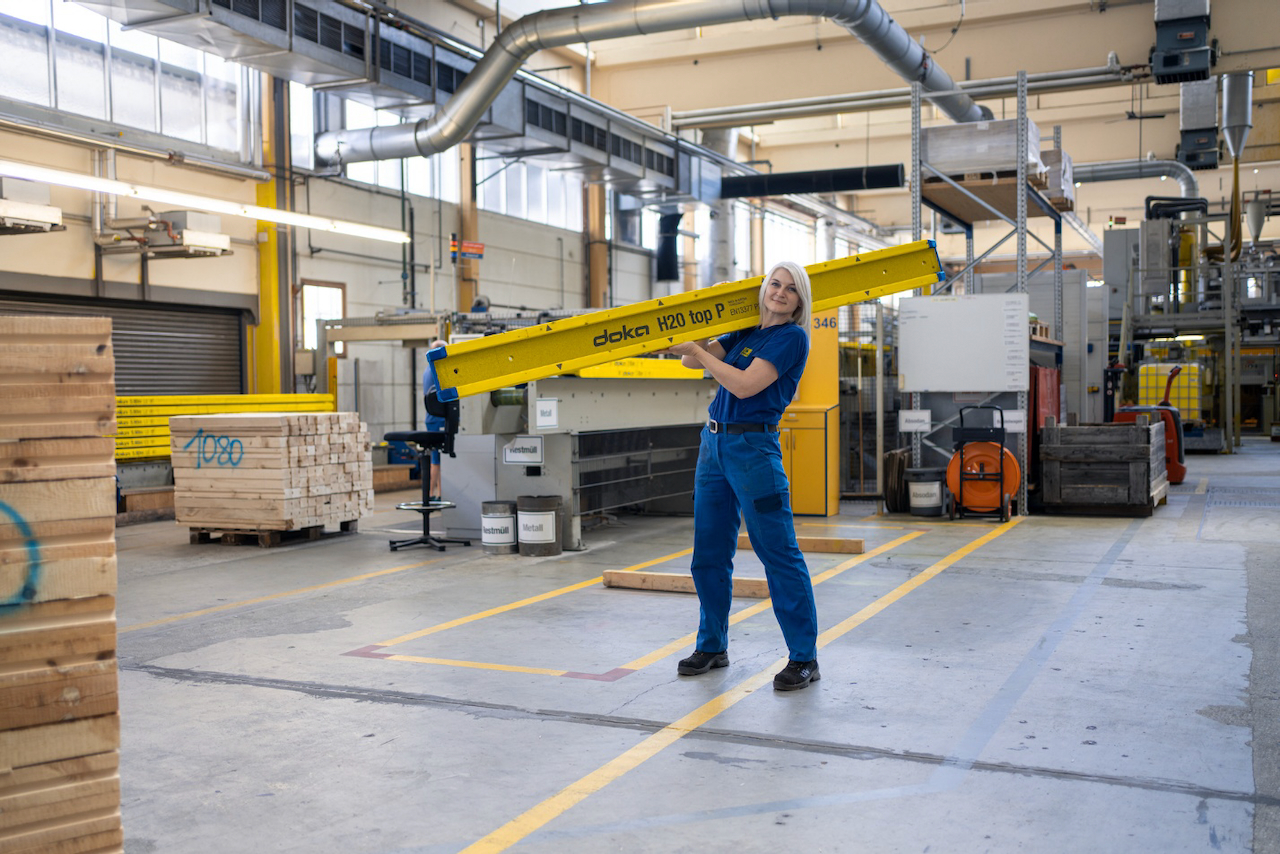
    Doka carbon cost data: practical implications for formwork design and LCA

    August 29, 2026|

    Reviewed by Joe Ashwell

    Doka carbon cost data: practical implications for formwork design and LCA

    First reported on The Construction Index

    30 Second Briefing

    Doka has published product carbon footprints for more than 9,000 formwork and related products, giving contractors project-specific CO₂ data for lifecycle assessments and procurement decisions. The company, led on sustainability by Julia Weber, is targeting net zero by 2040 and has committed to cut Scope 1, 2 and 3 emissions by 42% by 2030, in line with the Science Based Targets initiative and the Paris Agreement 1.5°C pathway. For designers and temporary works engineers, the expanded dataset enables more accurate embodied carbon calculations at product and system level.

    Technical Brief

    • Each PCF quantifies total greenhouse gas emissions over the full life cycle of the specific product.

    Our Take

    Doka’s 42% Scope 1–3 reduction target by 2030, validated via the Science Based Targets initiative, aligns it with equipment suppliers like Epiroc that are also using SBTi frameworks, signalling that major plant and formwork vendors to UK projects will increasingly be benchmarked on lifecycle carbon rather than just price and programme.

    The company’s SBTi commitment in 2024 builds on its EcoVadis Silver rating noted in our later 2026 coverage, suggesting that for contractors in the United Kingdom specifying Doka systems, third‑party ESG credentials are likely to become part of pre‑qualification and tender scoring rather than a marketing add‑on.

    In our Materials category coverage, there are only a handful of pieces where a product supplier such as Doka ties specific net‑zero dates (2040 here) to project‑facing tools, which means early adopters can shape how carbon‑cost visibility is embedded into standard formwork and temporary works specifications.

    Geotechnical Software for Modern Teams

    Centralise site data, logs, and lab results with GEODB-io, CMRR-io, and HYDROGEO-io.

    No credit card required.

    • Save and export unlimited calculations
    • Advanced data visualisation
    • Generate professional PDF reports
    • Cloud storage for all your projects

    Prepared by collating external sources, AI-assisted tools, and Geomechanics.io’s proprietary mining database, then reviewed for technical accuracy & edited by our geotechnical team.

    Related Articles
    New materials in road construction: design and QA takeaways for engineers
    Materials
    about 19 hours ago

    New materials in road construction: design and QA takeaways for engineers

    Modern highway construction is shifting towards low-carbon materials such as geopolymer concrete, high-recycled-content asphalt and bio-based binders to cut embodied CO₂ and improve performance under higher traffic loads and more intense rainfall. Designers are trialling warm-mix asphalt to reduce laying temperatures by 20–40°C and using secondary aggregates from construction and demolition waste to limit quarrying and landfill. Key challenges include variable material quality, limited long-term durability data, gaps in standards and specifications, and the need to adapt pavement design methods and site quality control.

    Voya Energy’s $35M aluminium fuel system: design and scale notes for engineers
    Materials
    2 days ago

    Voya Energy’s $35M aluminium fuel system: design and scale notes for engineers

    Clean tech startup Voya Energy has secured US$35 million, led by Energy Impact Partners with backing from John Doerr and others, to commercialise aluminium-based metal fuel generators for large off-grid users such as data centres and industrial plants. The system uses low‑grade scrap aluminium pellets in a proprietary metal‑air cell with custom electrolyte, producing electricity electrochemically with no on-site combustion or air emissions and operating independently of the grid. Current designs target up to 2 MW per 20‑foot containerised generator with a separate 10‑foot fuel module holding about 100 MWh, scaling to roughly 100 MW and 10 GWh per acre.

    Interface 5600 2-Axis Axial Torsion Load Cell: test rig gains for engineers
    Materials
    5 days ago

    Interface 5600 2-Axis Axial Torsion Load Cell: test rig gains for engineers

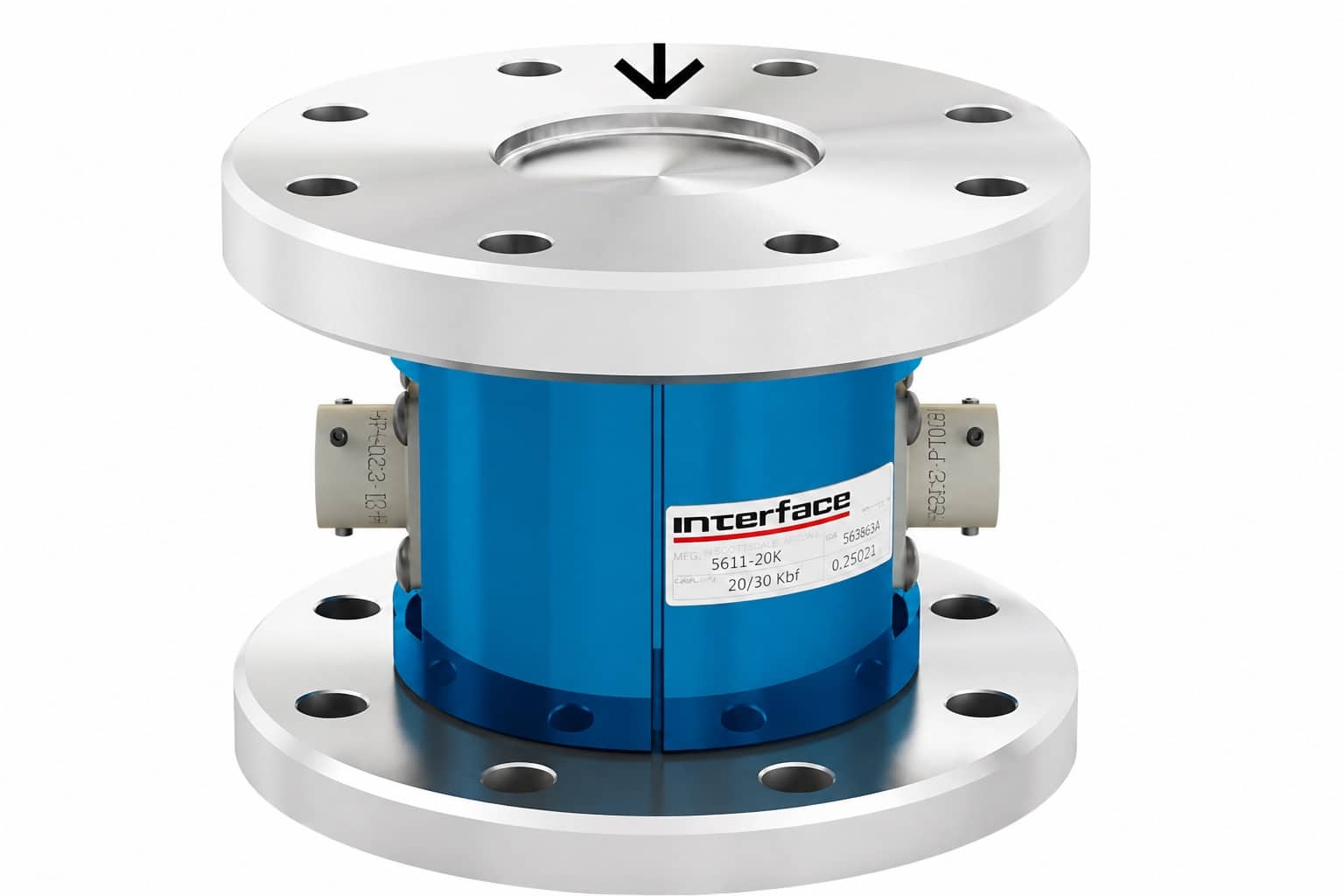
    The Interface 5600 2-Axis Axial Torsion Load Cell combines compressive force and torsional moment measurement in a single flange-mount transducer, capturing both at the same point for demanding test and measurement rigs. Its compact, multi-axis design reduces fixture complexity compared with separate axial and torque sensors, freeing space around test specimens and simplifying alignment. For mining equipment OEMs and materials labs, the unit supports more accurate characterisation of drill strings, couplings and rotating components under combined loading.

    Related Industries & Products

    Mining

    Geotechnical software solutions for mining operations including CMRR analysis, hydrogeological testing, and data management.

    CMRR-io

    Streamline coal mine roof stability assessments with our cloud-based CMRR software featuring automated calculations, multi-scenario analysis, and collaborative workflows.

    HYDROGEO-io

    Comprehensive hydrogeological testing platform for managing, analysing, and reporting on packer tests, lugeon values, and hydraulic conductivity assessments.

    GEODB-io

    Centralised geotechnical data management solution for storing, accessing, and analysing all your site investigation and material testing data.

    AllGeotechnicalInfrastructureHazardsEnvironmental