Carbon Direct–Arca mineralisation deal: CDR and tailings stability notes for engineers
Reviewed by Tom Sullivan
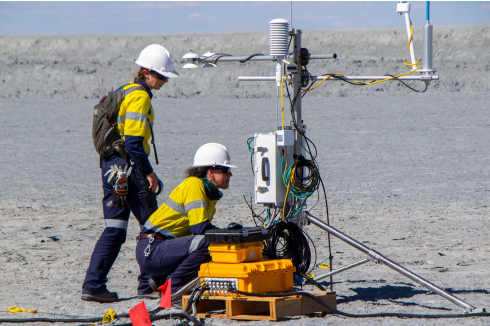
First reported on MINING.com
30 Second Briefing
Carbon Direct has partnered with Arca to co-develop and market Arca’s Industrial Mineralization (IMin) carbon dioxide removal credits, based on accelerated mineralisation of alkaline mine and steelmaking waste. The technology, validated in an 18‑month pilot with BHP at an active Australian mine, has already secured a 10‑year offtake from Microsoft for nearly 300,000 tonnes of CO₂ and an early prepurchase from Frontier. With 16.5 billion tonnes of suitable legacy waste and 3 billion tonnes produced annually, Arca targets durable (>10,000‑year) CO₂ storage with potential tailings stabilisation co‑benefits.
Technical Brief
- Industrial Mineralization (IMin) accelerates natural carbonation of alkaline mine and steelmaking wastes using proprietary process controls.
- Arca reports “high efficiency” net CO₂ removal during the BHP pilot while integrated with ongoing mining operations.
- Carbon Direct will co-develop future IMin projects, focusing on durability, measurement and verification of CDR credits.
- Western Australian deployment planning includes projects in the Goldfields region with the Tjiwarl Aboriginal Corporation as partner.
- IMin is positioned to improve mine economics by converting waste-management liabilities into revenue-generating CDR credit streams.
- Tailings stabilisation is cited as a potential co-benefit, implying altered geochemical and physical behaviour of stored wastes.
- Collaboration explicitly targets alignment with existing heavy-industry infrastructure, minimising additional footprint for CO₂ mineralisation systems.
Our Take
Arca’s earlier 10‑year deal over tailings at Giga Metals’ Turnagain nickel project in British Columbia shows it is already locking up feedstock rights, so this Carbon Direct offtake framework likely strengthens its bargaining position for similar waste-access agreements with majors such as BHP.
The 16.5 billion tonnes of suitable legacy mining waste cited in the Industrial Mineralization project dwarfs the annual 3 billion‑tonne flow, implying that near‑term value for operators in Western Australia’s Goldfields and Canada will hinge on retrofitting existing tailings and waste facilities rather than waiting on new mine builds.
With Microsoft and Frontier named alongside BHP and Tjiwarl Aboriginal Corporation, this offtake‑type structure signals that digital-sector buyers and Indigenous landholders are becoming direct stakeholders in mine-waste mineralisation projects, which could tighten ESG expectations on how waste rock and tailings are characterised and managed over the coming decade.
Prepared by collating external sources, AI-assisted tools, and Geomechanics.io’s proprietary mining database, then reviewed for technical accuracy & edited by our geotechnical team.
Related Articles



Related Industries & Products
Mining
Geotechnical software solutions for mining operations including CMRR analysis, hydrogeological testing, and data management.
Construction
Quality control software for construction companies with material testing, batch tracking, and compliance management.
CMRR-io
Streamline coal mine roof stability assessments with our cloud-based CMRR software featuring automated calculations, multi-scenario analysis, and collaborative workflows.
HYDROGEO-io
Comprehensive hydrogeological testing platform for managing, analysing, and reporting on packer tests, lugeon values, and hydraulic conductivity assessments.
GEODB-io
Centralised geotechnical data management solution for storing, accessing, and analysing all your site investigation and material testing data.