Geomechanics, Streamlined.
© 2026 Geomechanics.io. All rights reserved.
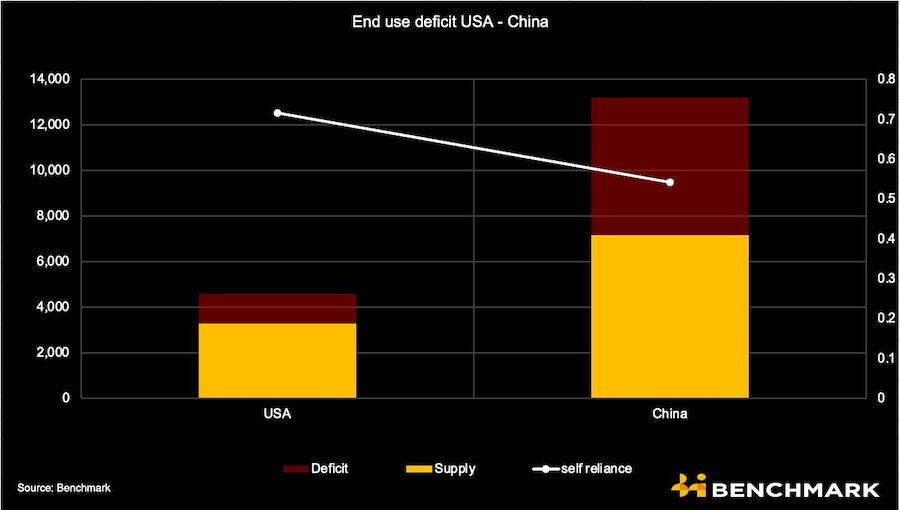
US copper supply can already cover 146% of domestic demand from mines and scrap, yet nearly 48% of US concentrate is exported because smelting and refining capacity is too small, leaving manufacturers reliant on imported cathode, Benchmark Mineral Intelligence reports. Analyst Albert Mackenzie argues that expanding US refining and scrap-processing capacity would do more for supply security than Washington’s Project Vault push for overseas mine ownership, as much US-controlled foreign output never returns home. Globally, Benchmark estimates 61 new copper mines and about $285 billion will be needed by 2030, with demand potentially reaching 50 million tonnes a year by 2050.
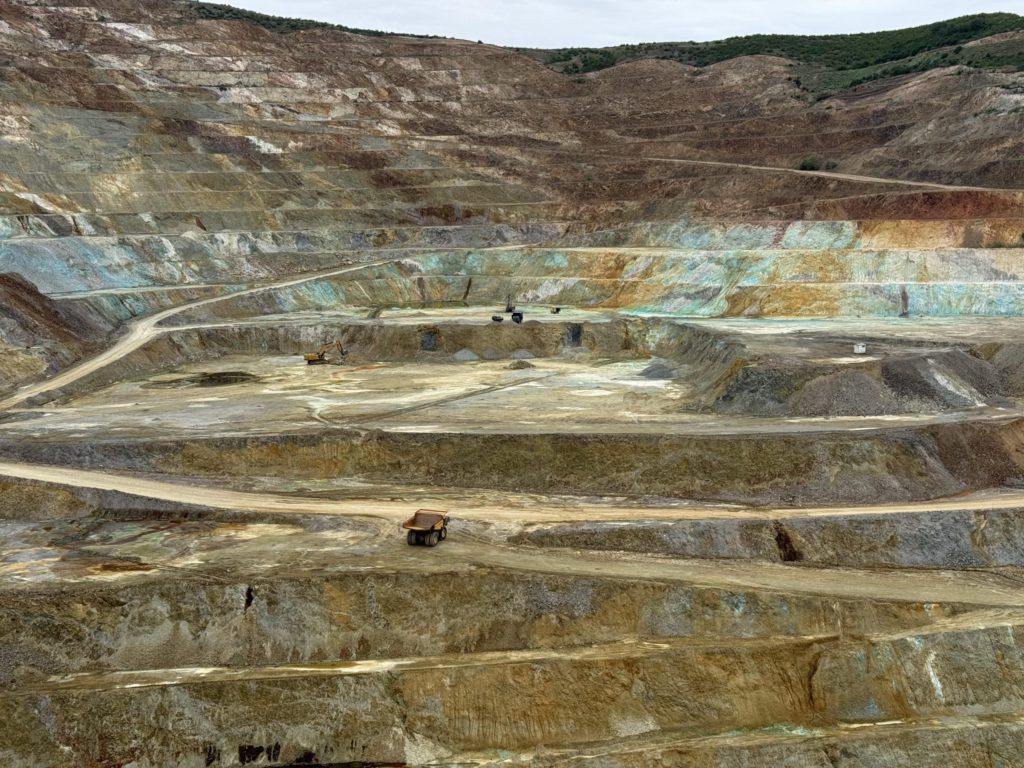
Anglo Asian Mining expects copper output from its Azerbaijan operations to reach 20,000–25,000 tonnes in 2026, roughly triple 2025 levels, as the Gilar and Demirli mines move into their first full year of production after delivering 7,915 tonnes between May and July 2025. The company guides to copper all-in sustaining costs of $6,800–$7,800 per tonne, with gold output forecast at 28,000–33,000 oz and silver at 170,000–210,000 oz at $1,500–$1,800/oz. A proposed takeover by ACG Metals, which recently acquired the Gediktepe mine in Türkiye, has been abandoned over valuation.
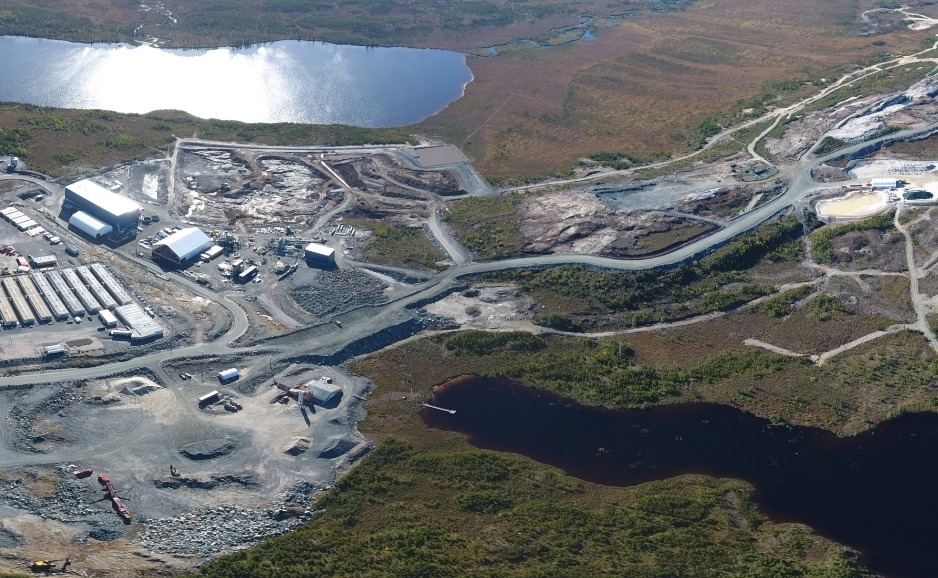
Rio Tinto has taken control of Nemaska Lithium with a 53.9% stake and plans to invest more than US$300 million in Quebec in 2026, alongside up to US$200 million in new equity from the provincial government. Capital will advance Nemaska’s 32,000 t/y lithium hydroxide plant at Bécancour, now about 60% complete, and the Whabouchi spodumene mine in the James Bay region, with commissioning at Bécancour targeted for 2026 and first production in 2028. Rio is also assessing feed from its Galaxy mine and Whabouchi to optimise spodumene supply to the plant.
Canada and Mexico are preparing a joint minerals, infrastructure and supply chain action plan for the second half of 2026, aimed at cutting bottlenecks in permitting, transport corridors, power supply, processing capacity and customs for cross-border critical mineral projects. The move sits alongside the US–Mexico Action Plan on Critical Minerals and Canada’s role in the G7-linked Critical Minerals Production Alliance and Minerals Security Partnership, signalling a shift from price management to “de-risking” mine-to-market flows. Investors will watch for a defined shortlist of minerals, concrete midstream projects in processing and refining, and specific trade and finance tools rather than broad diplomatic language.
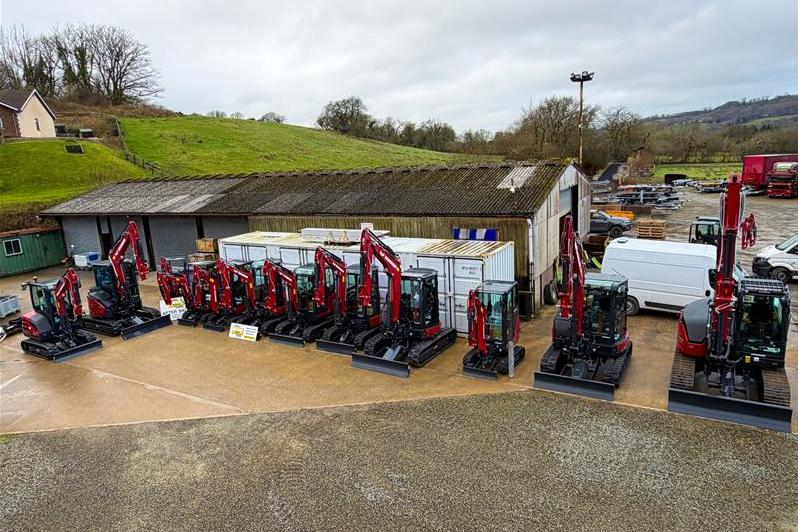
Construction machinery manufacturer Yanmar Compact Equipment has appointed Mason Brothers and Robert Coates Plant Sales as dealers, extending coverage across all of Wales plus Shropshire, Staffordshire and Derbyshire. Mason Brothers, a three-generation firm with depots in Narberth and Bridgend, already distributes Mecalac and Bomag, while Talke-based Robert Coates Plant Sales, founded in the early 1980s, handles Case, Manitou and Ammann. The move gives Yanmar denser regional support for compact equipment fleets in the Midlands and northwest, simplifying sourcing and service for plant hirers and contractors.
Gateway 2 approval from the Building Safety Regulator clears Watkin Jones to start a 201-bed, four-block high-rise PBSA scheme at Freestone Yards on Freestone Road in Bristol’s Temple Quarter, opposite the £500m Bristol Temple Quarter Enterprise Campus. The brownfield redevelopment, for a Moorfield Group–Tiger Developments joint venture and to be operated by Host, will comprise 65 ensuite clusters and 136 self-contained studios. Targeting BREEAM Excellent, the scheme is scheduled for completion in summer 2027, signalling tighter regulatory and viability constraints on new high-rise residential supply.
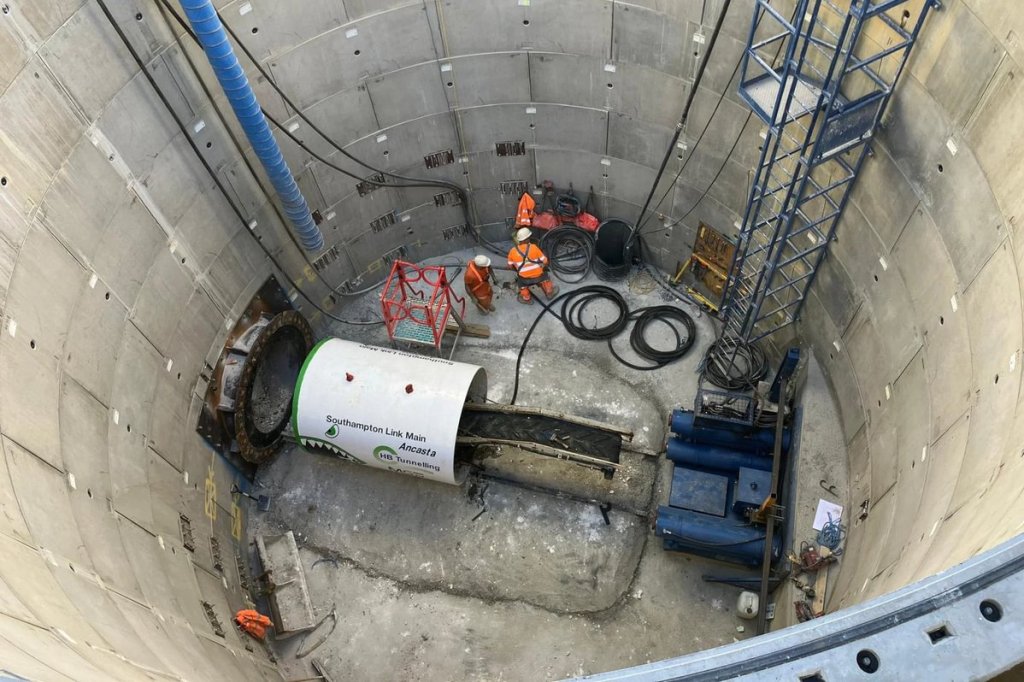
A 6,500kg manually operated tunnel boring machine, Ancasta, is driving a 1.5m-diameter tunnel at depths starting around 14m for Southern Water’s 19km Southampton Link Main between Otterbourne, Yew Hill reservoir and Rownhams water supply works. MGjv, the Galliford Try–M Group Water joint venture, is using two manual TBMs alongside conventional trenching to thread the pipeline beneath major roads, rail lines and sensitive ecological sites, with tunnelling running from September 2025 to May 2026. The £100m-plus scheme, spanning over three years, is aimed at boosting network resilience and reducing abstraction pressure on the Test and Itchen rivers.
University Hospitals Sussex NHS Foundation Trust has appointed McBains to provide project and cost management for the £250m, five-storey Sussex Cancer Centre at the Royal Sussex County Hospital in Brighton, with Laing O’Rourke as main contractor. The new facility, due to open in 2029, will triple current cancer treatment capacity to around 60,000 patients a year and is being built on the cleared site of the former Barry Building. As phase two of the 3Ts Redevelopment, it will be linked to the 2023-opened Louisa Martindale Building via a new landscaped plaza, ahead of a future logistics yard replacing the existing cancer department.
Leeds City Council has extended consulting engineer WSP’s highways and transport contract for a further four years, continuing a relationship that began in 2003 and has included schemes such as the Regent Street flyover replacement, Corn Exchange public realm works and the Stourton Park & Ride upgrade. The renewed agreement covers transport policy, traffic management, highway maintenance and reconstruction, highway structures, street lighting, civil engineering design, geotechnical services and flood risk management. WSP will now concentrate support on delivering the council’s Connecting Leeds Transport Strategy, with embedded specialists and long-term secondments remaining central to day-to-day project delivery.
Trial dates have been set at Bristol Crown Court for two Office for Nuclear Regulation prosecutions over incidents at the Hinkley Point C nuclear power station site, including the November 2022 death of worker Jason Waring and an August 2022 rebar mesh wall collapse that seriously injured slinger Paul Dunne in a prefabrication yard. NNB Generation Company (HPC), Bouygues Travaux Publics and Laing O’Rourke Delivery all plead not guilty to breaches of CDM 2015 Regulations 13(1) and 15(2). A separate case adds alleged failures under Regulation 3(1)(a) of the Management of Health and Safety at Work Regulations 1999, with trials scheduled for October 2027 and January 2028, each listed for four to six weeks.
The Department for Education has appointed 23 contractors, including Kier, Bam, Galliford Try, Morgan Sindall, Wates and Willmott Dixon, to its £15.4bn Construction Framework 25 (CF25) for new-build and refurbishment of schools, academies, UTCs and FE colleges. CF25 will run for six years from January 2026 to January 2032, with potential extension to 2034, and is split into two value bands (£4.4m–£12m and over £12m) across 10 regional lots. The framework will shape pipeline, procurement routes and standardised design approaches for education projects over the next decade.
Cardo Group has acquired Bellshill-based Trident Maintenance Services, a family-owned painting and decorating contractor whose turnover jumped from £11.8m to £18.4m with £1.7m pre-tax profit in the year to March 2025. Trident delivers planned maintenance, refurbishment and improvement programmes across social housing, healthcare, education, custodial and commercial estates, adding specialist fabric and finishes capability to Cardo’s existing LCB Group, Osborne Property Services, Jefferies Contractors, Breyer Roofing and SERS Energy Solutions platforms. Cardo chief executive Liam Bevan said the deal strengthens national coverage, particularly in northern England and Scotland, under a strategy focused on local skilled workforces and supply chains.
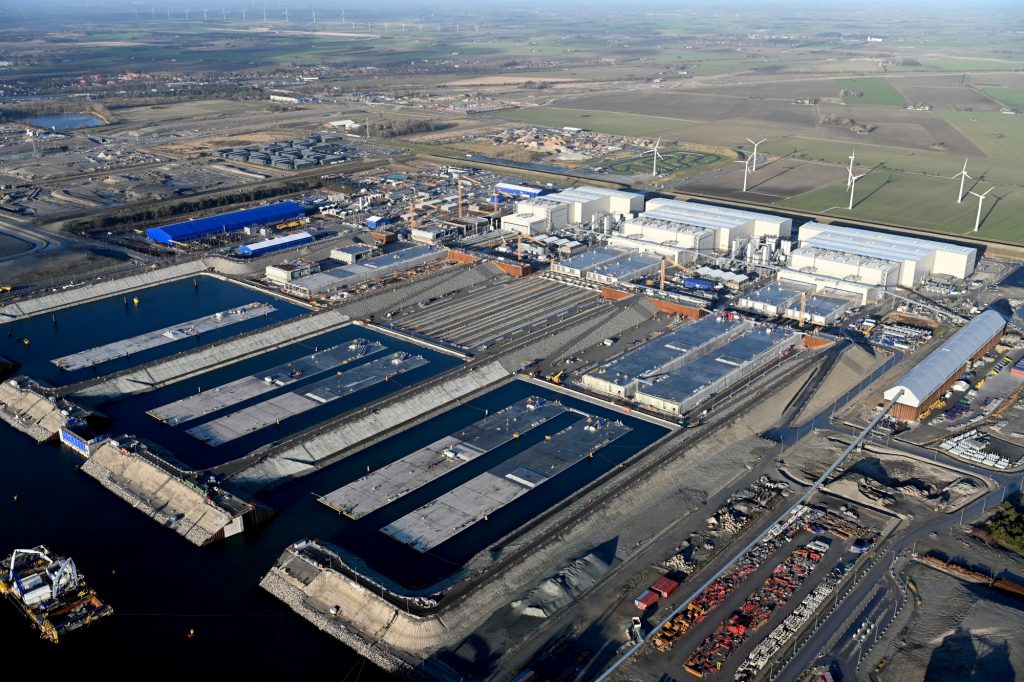
Sund & Bælt has cancelled two live tenders for rail systems and tolling facilities on the Fehmarnbelt fixed link after confirming a roughly two-year delay to construction of the 18km immersed tunnel between Denmark and Germany. The pause affects procurement of key systems for the four-track rail and dual-carriageway road elements, including signalling, power and tolling infrastructure that must be integrated into the tunnel’s prefabricated concrete elements. Contractors and designers now face extended interface and programme uncertainty, particularly around systems installation windows and commissioning sequences.
Closures on the A47 Heartlands Parkway in Birmingham will begin this weekend as HS2 starts preparatory works for an 18‑month programme to replace the Saltley Viaduct, a key multi-span structure carrying traffic over rail infrastructure. The works will involve staged traffic management and partial closures to maintain access while HS2 constructs the new viaduct offline and prepares tie-ins to the existing highway. Contractors and local authorities will need to manage significant disruption to a strategic route while coordinating with rail possessions and utilities diversions.
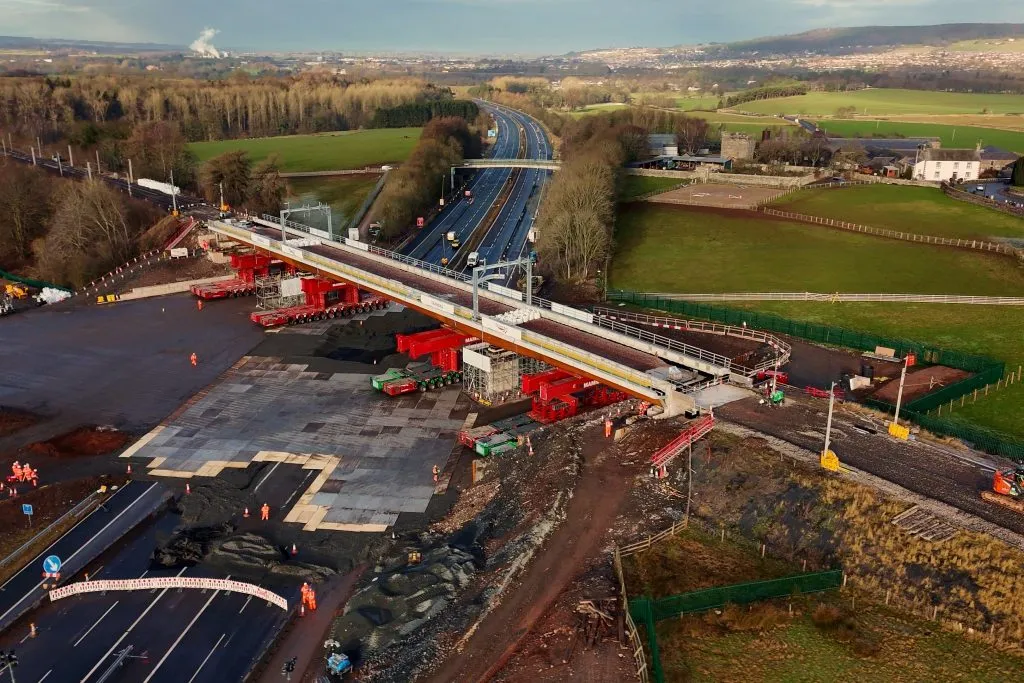
Replacement of the ageing West Coast Main Line bridge over the M6 at Clifton, near Penrith, has been delivered as a £60M Network Rail scheme after years of advance planning. The operation required full possession of this key electrified route and coordinated closure of multiple M6 lanes to remove the old structure and install the new bridge in tightly controlled windows. For civil and geotechnical teams, the project underlines the need for early asset condition assessment, detailed staging of heavy lifts, and robust traffic and rail interface management on live strategic corridors.
Exxaro Resources has signed a strategic agreement with China’s XCMG to supply seven XDE260 diesel-electric haul trucks, each with a 220 t payload, for the Grootegeluk open-pit coal mine in Lephalale, South Africa. The high-capacity trucks will be deployed to support production at Exxaro’s flagship operation, which feeds Eskom’s Matimba and Medupi power stations and already runs one of the country’s largest truck-and-shovel fleets. For mine planners and maintenance teams, the deal signals further standardisation around ultra-class diesel-electric units and associated high-voltage support infrastructure.
Metso has secured an order worth over €10 million for multiple Vertimill® 4500 grinding mills for a Direct Reduction (DR) grade iron ore project, targeting finely ground feed suitable for DR pelletising. The vertical stirred mills are designed to cut specific energy consumption and operating costs compared with conventional ball mills, aided by a smaller installation footprint and reduced media usage. For process engineers, the choice of Vertimill 4500 units signals a push towards higher grinding efficiency and tighter particle size control in DR-grade iron ore circuits.
Caterpillar has completed its acquisition of Brisbane-based RPMGlobal Holdings, adding mine planning, scheduling and operations management software to its existing mining equipment and autonomy portfolio. RPMGlobal’s data-driven platforms span the full mining value chain, from long-term pit optimisation and truck–shovel scheduling to short-interval control and maintenance planning, giving Caterpillar tighter integration between fleet hardware, telemetry and decision-support tools. For engineers, this signals deeper OEM-backed support for model-based planning, productivity analytics and site-wide digital twins across Caterpillar-equipped operations.
Integra Resources has bought a 6,600-acre ranch contiguous with its DeLamar gold-silver project in Owyhee County, Idaho, for US$12.5 million, consolidating land around the historic DeLamar mine and Florida Mountain deposit previously owned by Kinross. The package includes deeded land plus a large US BLM grazing permit and two Idaho State grazing leases, extinguishing easements and access agreements and removing associated payment obligations. Integra says the deal secures nearby mitigation habitat and increases operational flexibility for future mine development, while formalising its long-term engagement with the local ranching community.
Pile Dynamics, Inc. and GRL Engineers, Inc. will run a one-day 2026 “State of Practice” seminar focused on quality control for deep foundations, covering benefits, methods, interpretations, risks and implementation. The programme centres on modern testing and monitoring approaches for driven piles and drilled shafts, including practical guidance on data interpretation and risk management. Geotechnical practitioners can expect applied content directly relevant to foundation load testing, integrity assessment and construction QC procedures.
Denison Mines has appointed Wood Canada Limited as construction manager for the Phoenix in-situ recovery (ISR) uranium mine, part of the Wheeler River joint venture in northern Saskatchewan’s Athabasca Basin. Wood will coordinate surface plant, wellfield and supporting infrastructure construction for the ISR operation, which replaces conventional underground mining with a pattern of injection and recovery wells in sandstone-hosted ore. The appointment signals progression towards detailed engineering, procurement and constructability planning, with ISR-specific geotechnical, hydrogeological and groundwater control design now moving into execution focus.
Robit has taken on a full Managed Service Contract for drilling consumables at the Endeavor underground silver-zinc-lead mine, 40 km north of Cobar in New South Wales’ Cobar Basin. The contract covers supply and lifecycle management of drilling tools for one of Robit’s first underground sites in Australia using this model, shifting responsibility for bit and rod performance from the mine to the OEM. For mine operators, the arrangement ties consumable costs directly to drilled metres and tool life, tightening control over drilling productivity and budgeting.
A copper concentrator on Zambia’s Copperbelt has replaced repeatedly failing valve positioners in its flotation circuit with Valmet’s Neles NDX smart positioners to cope with aggressive reagents, high humidity, dust and strong vibration. The compact NDX units, with continuous self-diagnostics and low air consumption, are being installed on existing actuators across slurry, air and reagent control valves without changing piping or brackets. Early operation shows more stable froth level control and fewer unplanned shutdowns, directly improving plant throughput and maintenance planning.
Jevons Robotics has signed an agreement with Newmont Australia to deploy an automated pre-split loading robot based on its ARTEV1000 rugged, battery-electric robotic platform in highwall mining environments. The packaged system is purpose-built for drill-and-blast pre-split loading, extending the ARTEV1000 from a proven autonomous carrier into a fully integrated explosives-handling unit. By automating loading on highwalls, Newmont aims to materially cut exposure hours for personnel working near unstable faces and blast lines, with implications for wider robotic deployment in hazardous pit zones.