UQ coarse particle processing program: design and retrofit insights for mine engineers
Reviewed by Tom Sullivan
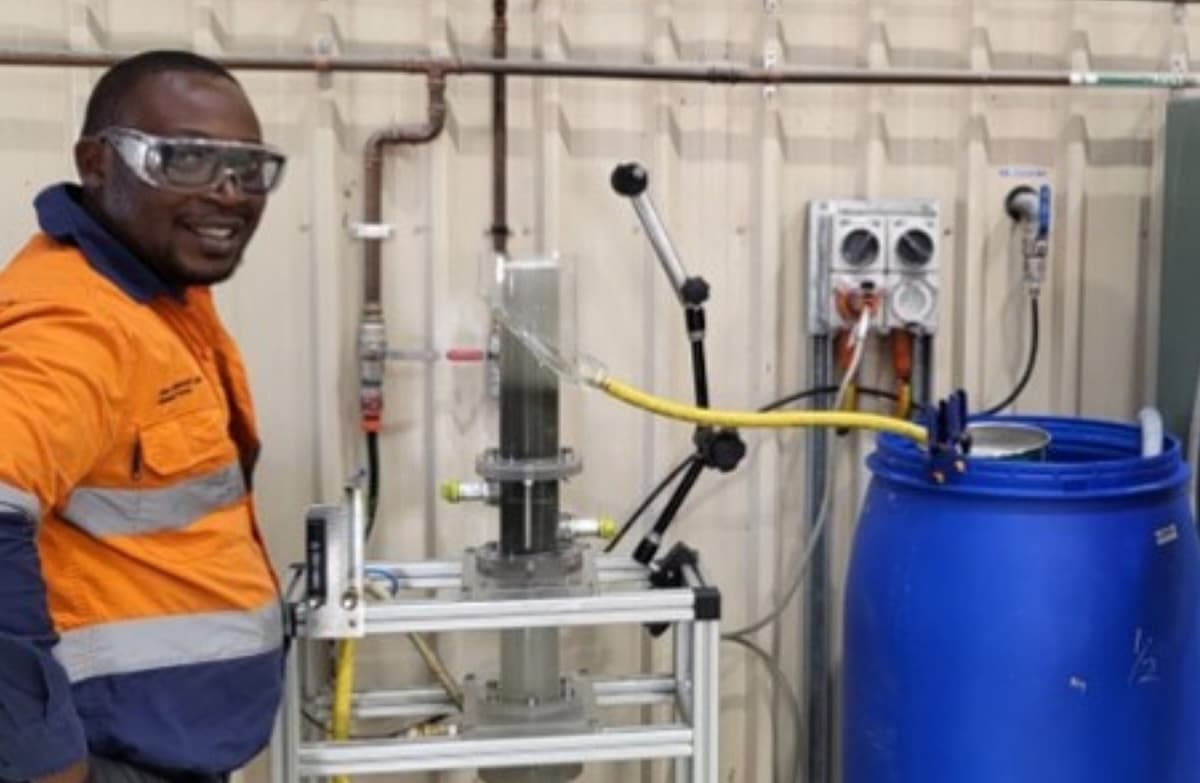
First reported on Australian Mining
30 Second Briefing
The University of Queensland’s Collaborative Consortium for Coarse Particle Processing Research is entering a second five‑year phase to scale up coarse particle flotation technologies that allow recovery of particles up to several millimetres, reducing grinding energy and water use. Phase I delivered the JKHFmini laboratory rig and plant trials with Eriez HydroFloat and FLSmidth REFLUX Flotation Cell units on copper and gold ores, targeting coarser grind sizes than conventional circuits. The renewed program will expand pilot‑scale testing and integrated circuit modelling, with direct implications for comminution circuit design, tailings management and brownfield plant retrofits.
Technical Brief
- Phase I built the JKHFmini rig to replicate HydroFloat and REFLUX Flotation Cell hydrodynamics at bench scale.
- UQ’s Sustainable Minerals Institute coordinates the CPR Program with multiple mining company sponsors funding the five‑year phases.
Our Take
Within our 1177 Mining stories, Australia-based items tied to The University of Queensland and its Sustainable Minerals Institute tend to focus on step-change processing methods rather than incremental plant tweaks, signalling that JKHFmini-scale work is likely aimed at de-risking full-plant adoption for operating mines.
A five‑year second phase for the CPR Program is unusually long compared with most research-tagged projects in our database, which suggests participating operators are targeting fundamental flowsheet changes (such as coarse particle rejection and energy-efficient grinding) rather than short-term optimisation trials.
Research and Sustainability-tagged pieces linked to Australian processing labs often precede OEM commercialisation announcements by several years, so work around JKHFmini may give early clues about which coarse particle processing technologies will be ready for plant-scale deployment late this decade.
Prepared by collating external sources, AI-assisted tools, and Geomechanics.io’s proprietary mining database, then reviewed for technical accuracy & edited by our geotechnical team.
Related Articles

Related Industries & Products
Mining
Geotechnical software solutions for mining operations including CMRR analysis, hydrogeological testing, and data management.
CMRR-io
Streamline coal mine roof stability assessments with our cloud-based CMRR software featuring automated calculations, multi-scenario analysis, and collaborative workflows.
HYDROGEO-io
Comprehensive hydrogeological testing platform for managing, analysing, and reporting on packer tests, lugeon values, and hydraulic conductivity assessments.
GEODB-io
Centralised geotechnical data management solution for storing, accessing, and analysing all your site investigation and material testing data.