UK nuclear power lifecycle: design and risk takeaways for civil engineers
Reviewed by Joe Ashwell
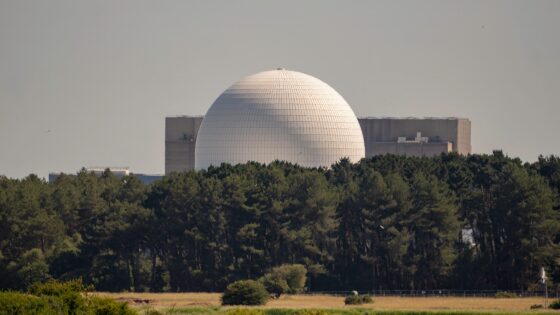
First reported on New Civil Engineer
30 Second Briefing
The UK's next wave of nuclear projects, including Hinkley Point C and Sizewell C, is pushing for a full-lifecycle approach that integrates design, construction, operation, decommissioning and waste management from the outset. Advocates argue that early planning for spent fuel storage, geological disposal facilities and deconstruction logistics can cut whole-life costs and programme risk compared with the historic “build now, solve later” model. For civil and geotechnical teams, this means designing foundations, coastal defences and heavy-lift infrastructure around 60+ year operating lives and end-of-life dismantling and transport requirements.
Technical Brief
- New UK reactors must satisfy ONR safety case expectations for construction, operation, decommissioning and waste in a single integrated framework.
- Design teams are being pushed to evidence ALARP risk reduction for dismantling and waste handling routes from concept stage.
- Long-term coastal defence strategies must be demonstrably compatible with safe access, emergency egress and eventual deconstruction plant.
- Structural and geotechnical detailing is expected to facilitate remote or robotic cutting, lifting and segmentation to minimise worker dose.
- Safety cases now require early definition of interim storage building footprints, load paths and craneage for heavy nuclear packages.
- Interface management between nuclear island, conventional balance-of-plant and offsite transport infrastructure is becoming a formal safety deliverable, not just logistics.
Our Take
New Civil Engineer’s recent webinar on the ‘data handover gap’ at project close-out points to a recurring weakness in UK infrastructure; for nuclear in the United Kingdom, closing this gap is likely to be critical for long-term safety case management and decommissioning planning.
Because New Civil Engineer also curates awards and early-career innovation challenges, there is a route for UK nuclear operators and designers to embed full-lifecycle thinking into mainstream civil engineering practice rather than treating it as a specialist, siloed discipline.
Prepared by collating external sources, AI-assisted tools, and Geomechanics.io’s proprietary mining database, then reviewed for technical accuracy & edited by our geotechnical team.


