Geomechanics.io

  • Free Tools
Sign UpLog In
Built byBoxcut Studio

Geomechanics.io

Geomechanics, Streamlined.

© 2026 Geomechanics.io. All rights reserved.

Geomechanics.io

CMRR-ioGEODB-ioHYDROGEO-ioQCDB-ioFree Tools & CalculatorsBlogLatest Industry News

Industries

MiningConstructionTunnelling

Company

Terms of UsePrivacy PolicyLinkedIn
    Projects
    Product
    Sustainability

    Siemens Gamesa–TKF aluminium passports: provenance and ESG demands for miners

    October 15, 2026|

    Reviewed by Joe Ashwell

    First reported on International Mining – News

    30 Second Briefing

    Siemens Gamesa and Dutch cable maker TKF have completed a pilot with Minespider’s Digital Product Passport platform to trace aluminium upstream through complex renewable-energy supply chains under the IRBC Agreement for the Renewable Energy Sector. The system attaches a digital passport to aluminium products, carrying mine-of-origin, processing, and ESG data along multiple tiers of suppliers in near real time. For miners and refiners, this signals growing pressure to provide verifiable provenance and due-diligence data at batch level for aluminium used in turbines, cables, and other grid components.

    Technical Brief

    • Similar passport architectures could be extended to copper, rare earths, and steel in turbine and grid components.

    Our Take

    Linking Siemens Gamesa’s aluminium traceability work with its role in offtake discussions around rare earths in the Nolans project coverage suggests large OEMs are starting to demand verifiable provenance across multiple critical inputs, not just high-profile magnets or battery metals.

    For aluminium suppliers, systems like Minespider’s Digital Product Passports could become a de facto requirement to access wind and grid-equipment tenders in Europe, in the same way that long-term power contracts have become essential for smelters such as Bell Bay Aluminium to stay bankable.

    Geotechnical Software for Modern Teams

    Centralise site data, logs, and lab results with GEODB-io, CMRR-io, and HYDROGEO-io.

    No credit card required.

    • Save and export unlimited calculations
    • Advanced data visualisation
    • Generate professional PDF reports
    • Cloud storage for all your projects

    Prepared by collating external sources, AI-assisted tools, and Geomechanics.io’s proprietary mining database, then reviewed for technical accuracy & edited by our geotechnical team.

    Related Articles
    Expander pivot pins: reducing long-term maintenance costs for mine fleets
    Mining
    about 3 hours ago

    Expander pivot pins: reducing long-term maintenance costs for mine fleets

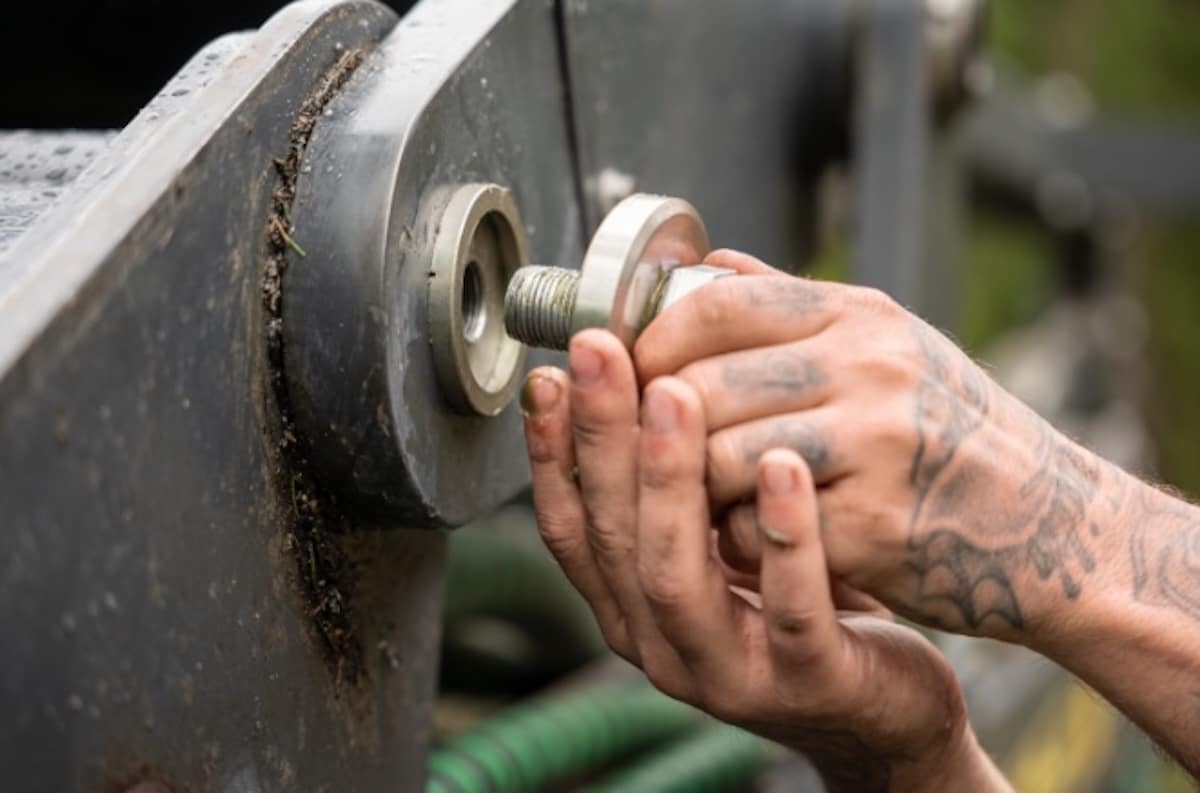
    Hidden costs from traditional pivot pin maintenance on haul trucks, forestry harvesters and excavators are driving interest in Expander System’s oversized pivot pins with tapered sleeves, according to Nord-Lock Group head of sales Robin Persson. The retrofit design allows installation in worn pivot eyes without line boring or welding, using conical sleeves to create full-surface contact and reduce clearance growth. For mine maintenance teams, this can cut repeated pin replacement shutdowns and lower life-cycle costs on high-load joints such as dump body hinges, loader booms and articulation points.

    Canadian Chrome Company First Nations committee: M&A risk notes for project teams
    Mining
    about 3 hours ago

    Canadian Chrome Company First Nations committee: M&A risk notes for project teams

    Canadian Chrome Company has formed a three-person First Nations steering committee, including former Attawapiskat Chief Theresa Okimaw-Hall and former Marten Falls Chief Lawrence Baxter, to advise on its Ring of Fire chromite, nickel, copper and platinum assets in Ontario’s James Bay Lowlands. The committee will provide Indigenous perspectives to prospective buyers or partners ahead of any sale or merger involving CCC’s 90% interest in the Koper Lake project and 30% in the Big Daddy project. Both projects remain at pre‑PFS stage, with no new economic analysis disclosed.

    Boron One Serbia PEA update: economics and design notes for mine planners
    Mining
    about 3 hours ago

    Boron One Serbia PEA update: economics and design notes for mine planners

    Boron One’s updated PEA for the Piskanja underground boron project in southern Serbia lifts the after-tax IRR to 89% and NPV (10% discount) to US$558.8 million, with unchanged initial capex of US$79.9 million and a sub‑one‑year payback, but shortens mine life to 13 years and trims average annual EBITDA to US$87.7 million. The plan now targets average yearly output of 157,600 tonnes of colemanite, 83,800 tonnes of ulexite and 25,000 tonnes of boric acid, at all‑in sustaining costs of US$231.44 per tonne. The revised study incorporates new geotechnical testing, a 3D resource model by borate type and a binding offtake for at least 25,000 tonnes of boron products per year, subject to permitting and plant qualification.

    Related Industries & Products

    Mining

    Geotechnical software solutions for mining operations including CMRR analysis, hydrogeological testing, and data management.

    CMRR-io

    Streamline coal mine roof stability assessments with our cloud-based CMRR software featuring automated calculations, multi-scenario analysis, and collaborative workflows.

    HYDROGEO-io

    Comprehensive hydrogeological testing platform for managing, analysing, and reporting on packer tests, lugeon values, and hydraulic conductivity assessments.

    GEODB-io

    Centralised geotechnical data management solution for storing, accessing, and analysing all your site investigation and material testing data.

    AllGeotechnicalInfrastructureHazardsEnvironmental