Geomechanics.io

  • Free Tools
Sign UpLog In

    Geomechanics.io

    Geomechanics, Streamlined.

    © 2026 Geomechanics.io. All rights reserved.

    Geomechanics.io

    CMRR-ioGEODB-ioHYDROGEO-ioQCDB-ioFree Tools & CalculatorsBlogLatest Industry News

    Industries

    MiningConstructionTunnelling

    Company

    Terms of UsePrivacy PolicyLinkedIn
    Product
    Projects

    Sandvik Ranger DX1010i drill rig: design and productivity notes for mine planners

    March 4, 2026|

    Reviewed by Tom Sullivan

    Sandvik Ranger DX1010i drill rig: design and productivity notes for mine planners

    First reported on Australian Mining

    30 Second Briefing

    Sandvik is set to launch the Ranger DX1010i top hammer surface drill rig at CONEXPO‑CON/AGG 2026, targeting high‑productivity mining and quarry bench drilling. The DX1010i builds on the Ranger DXi platform with 290°–360° revolving superstructure coverage and an integrated Sandvik rock drill, enabling fewer set‑ups and faster drilling cycles on 76–127mm holes. For mine planners and drill‑and‑blast engineers, the extended reach and automated drilling controls are aimed at tighter pattern accuracy and reduced non‑drilling time on large benches.

    Technical Brief

    • Ranger DX1010i is configured for surface mining and large quarry bench production drilling duties.
    • Machine is positioned as a successor within Sandvik’s existing Ranger DXi surface drill family.
    • Sandvik is targeting deployment in high‑output drill‑and‑blast operations rather than small construction quarries.
    • Integration with Sandvik’s wider surface drilling portfolio enables commonality of spares, service tools and operator training.
    • OEM positioning suggests compatibility with existing Sandvik digital drilling control and fleet management ecosystems.
    • For large open pits, rig class is aimed at primary production patterns rather than pre‑split or trim work.
    • Introduction adds another OEM option in the mid‑large top‑hammer segment, influencing future fleet tendering strategies.

    Our Take

    In our database of 1112 Mining stories, Sandvik features repeatedly over the past week with new cone crushers, screen refurbishment services and digital tools, signalling a coordinated push to offer a full surface drilling and processing ecosystem rather than standalone rigs.

    The Ranger DX1010i launch sits alongside the recent ‘My Sandvik Geo’ cloud service, suggesting Sandvik is positioning its surface top-hammer fleet for tighter integration of drill data with near real-time geotechnical models on Australian and other open pits.

    A recent order for 16 Sandvik D25KX rigs at a Zambian copper operation indicates that large fleet replacement deals are achievable when Sandvik can demonstrate lifecycle support; the DX1010i will likely be marketed into similar multi-rig tender environments in Australia’s surface mining sector.

    Geotechnical Software for Modern Teams

    Centralise site data, logs, and lab results with GEODB-io, CMRR-io, and HYDROGEO-io.

    No credit card required.

    • Save and export unlimited calculations
    • Advanced data visualisation
    • Generate professional PDF reports
    • Cloud storage for all your projects

    Prepared by collating external sources, AI-assisted tools, and Geomechanics.io’s proprietary mining database, then reviewed for technical accuracy & edited by our geotechnical team.

    Related Articles
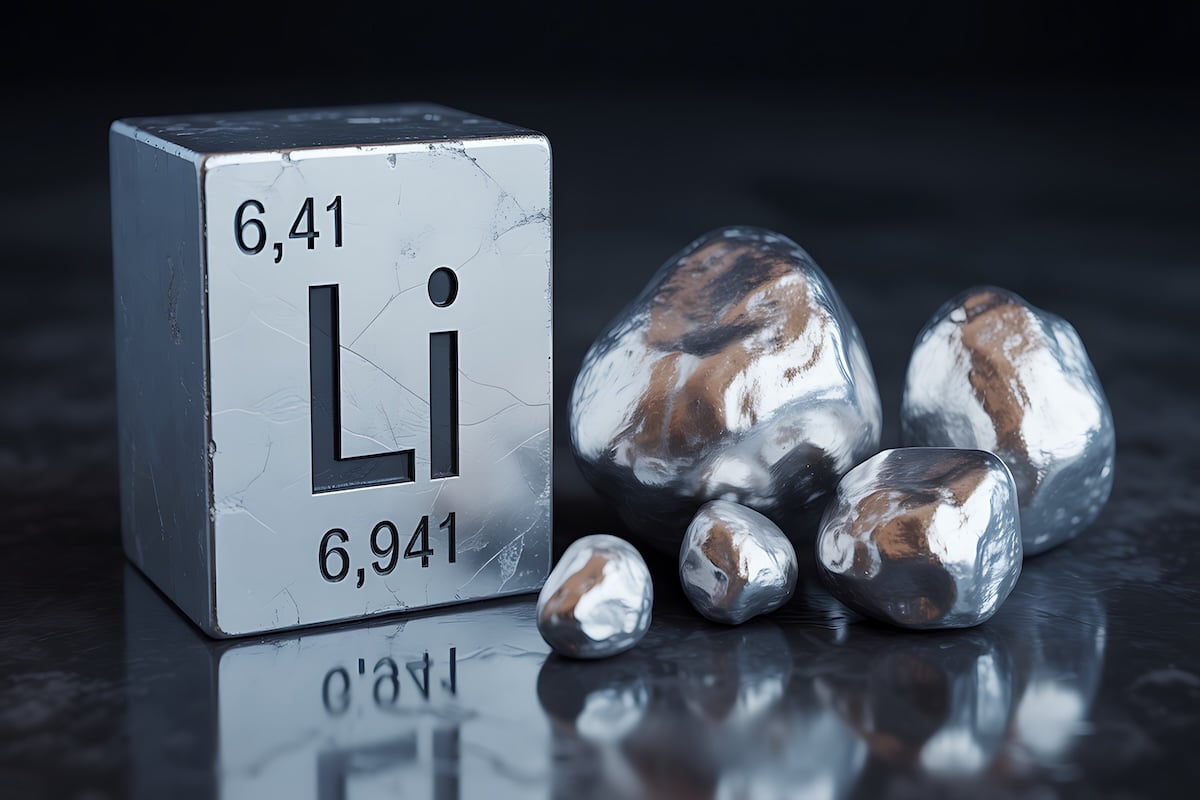
    China’s role in supply chains: what it means for Australian lithium projects
    Mining
    about 11 hours ago

    China’s role in supply chains: what it means for Australian lithium projects

    Australia’s lithium sector is emerging as a key winner from efforts to diversify critical minerals supply chains away from China’s dominance in spodumene conversion and cathode materials. New offtake and joint venture structures are shifting some refining and hydroxide production capacity from Chinese hubs in Jiangsu and Sichuan to Australian-linked projects in Western Australia, including integrated mine–refinery developments near Kwinana. For geotechnical and mining teams, this points to sustained demand for hard‑rock pit expansions, tailings storage upgrades and supporting port and rail capacity over the medium term.

    Youanmi underground dewatering: geotechnical mapping and design notes for engineers
    Mining
    about 13 hours ago

    Youanmi underground dewatering: geotechnical mapping and design notes for engineers

    Dewatering of the main pit at Rox Resources’ Youanmi gold project in Western Australia has been completed, exposing the historic Youanmi underground workings for the first time in decades and clearing the way for decline access. The work allows detailed geotechnical mapping of existing drives and stopes, assessment of ground conditions around legacy voids, and planning of new underground infrastructure tied to the existing shaft and portal locations. Engineers will now be able to refine support regimes, groundwater management and backfill strategies based on direct inspection rather than historic records.

    Western Australian gold producers: Q1 mine performance and project notes for engineers
    Mining
    about 14 hours ago

    Western Australian gold producers: Q1 mine performance and project notes for engineers

    Western Australian gold producers reported stronger March-quarter output, with established operations such as Kalgoorlie and Boddington lifting mill throughput and improving head grades despite persistent labour and energy cost pressures. Developers advanced expansion projects including new open-pit cutbacks and underground declines, alongside incremental plant upgrades such as additional leach capacity and improved gravity circuits. Exploration drilling around existing pits and along greenstone belt extensions continued to grow resource potential, extending mine lives and supporting long-term planning for tailings storage and haulage infrastructure.

    Related Industries & Products

    Mining

    Geotechnical software solutions for mining operations including CMRR analysis, hydrogeological testing, and data management.

    Construction

    Quality control software for construction companies with material testing, batch tracking, and compliance management.

    CMRR-io

    Streamline coal mine roof stability assessments with our cloud-based CMRR software featuring automated calculations, multi-scenario analysis, and collaborative workflows.

    HYDROGEO-io

    Comprehensive hydrogeological testing platform for managing, analysing, and reporting on packer tests, lugeon values, and hydraulic conductivity assessments.

    GEODB-io

    Centralised geotechnical data management solution for storing, accessing, and analysing all your site investigation and material testing data.

    AllGeotechnicalInfrastructureHazardsEnvironmental