REMA TIP TOP linings and processing conditions: optimisation notes for plant engineers
Reviewed by Tom Sullivan
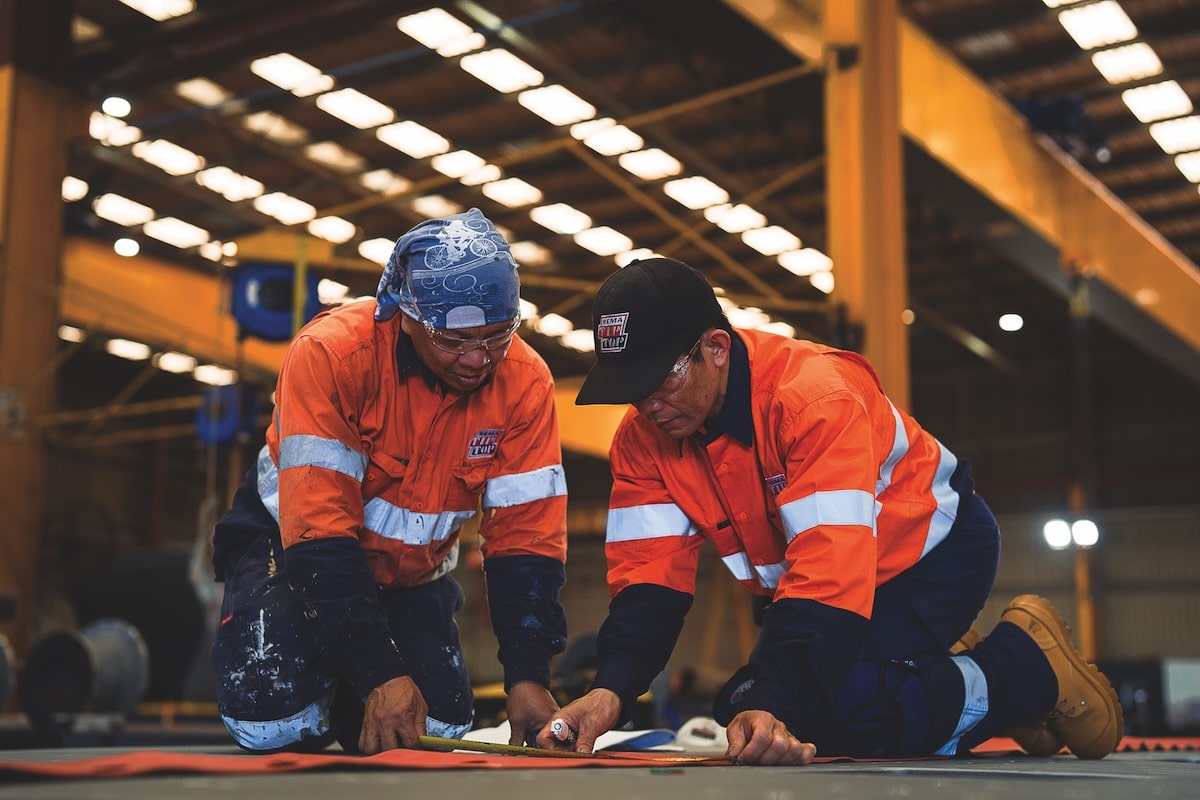
First reported on Australian Mining
30 Second Briefing
REMA TIP TOP is deploying tailored rubber, ceramic and composite lining systems across mill feed chutes, cyclones and slurry pipelines to balance wear life, cost and shutdown frequency in mineral processing plants. The company matches lining thickness, hardness and chemistry to specific duties such as coarse ore abrasion, high-velocity slurry impact and chemical attack, with modular panels designed for rapid replacement during planned outages. For plant engineers, the approach shifts decisions from generic wear packages to circuit-by-circuit optimisation of liner selection, installation method and inspection intervals.
Technical Brief
- Bonding systems and surface preparation are controlled to avoid debonding under cyclic impact and vibration.
- Modular panel layouts are engineered to suit existing chute geometries and restricted access openings.
- Ceramic tiles are selectively placed in high-turbulence zones rather than blanket-lining whole chutes.
- Slurry pipeline lining design considers bend erosion, air-release points and local pressure fluctuation zones.
Our Take
REMA TIP TOP’s recent focus on digital belt monitoring tools like REMATRACK TTX and MCube CAM in our database suggests that lining selection for Australian plants is increasingly being tied to condition‑based maintenance rather than fixed replacement intervals.
For Australian projects, combining tailored linings with the kind of AI‑supported inspection seen in REMA TIP TOP’s MCube CAM coverage likely enables operators to push higher throughput or more aggressive processing conditions while still evidencing control of failure risk to regulators and insurers.
Prepared by collating external sources, AI-assisted tools, and Geomechanics.io’s proprietary mining database, then reviewed for technical accuracy & edited by our geotechnical team.
Related Articles
Related Industries & Products
Mining
Geotechnical software solutions for mining operations including CMRR analysis, hydrogeological testing, and data management.
CMRR-io
Streamline coal mine roof stability assessments with our cloud-based CMRR software featuring automated calculations, multi-scenario analysis, and collaborative workflows.
HYDROGEO-io
Comprehensive hydrogeological testing platform for managing, analysing, and reporting on packer tests, lugeon values, and hydraulic conductivity assessments.
GEODB-io
Centralised geotechnical data management solution for storing, accessing, and analysing all your site investigation and material testing data.