High efficiency scrubbers in mining: design and compliance notes for engineers
Reviewed by Joe Ashwell
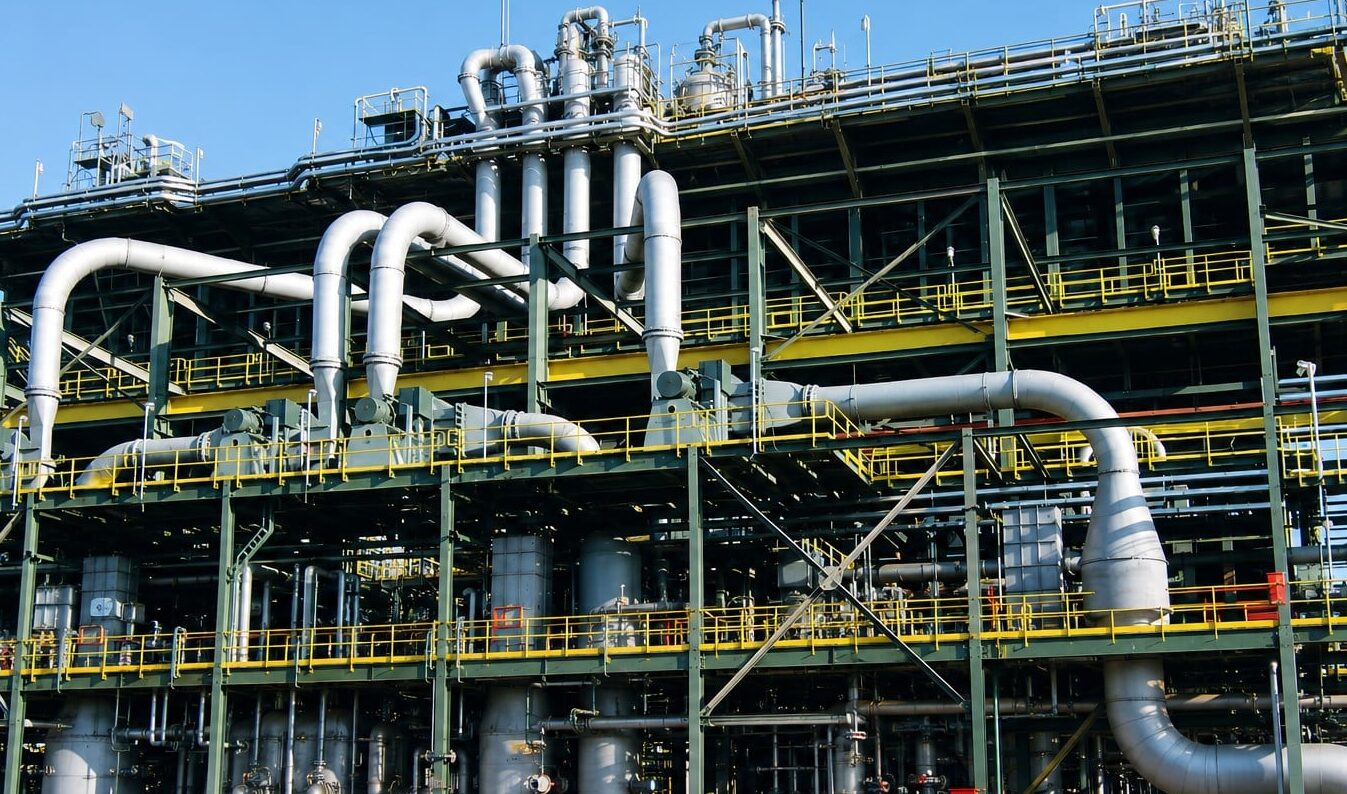
First reported on Australian Mining
30 Second Briefing
Nederman Mikropul is supplying advanced wet scrubbers and gas absorbers for mining and minerals processing plants, designed for >99 per cent collection efficiency on sub-micron dust while simultaneously treating hazardous process gases from crushing and related operations. The systems combine particulate scrubbing and gas absorption in a single unit, targeting fine aerosols and corrosive or toxic species that are difficult to capture with dry filters alone. For plant designers and operators, this enables tighter control of stack emissions and easier compliance with stringent site-specific air quality limits.
Technical Brief
- Wet scrubbers are configured for simultaneous particulate capture and absorption of corrosive or toxic gases.
- Units are targeted at emission points such as primary and secondary crushing circuits and screening stations.
- Systems are engineered for highly variable mining gas compositions, including acid gases and solvent vapours.
- Wet operation avoids combustible dust accumulation risks associated with some dry filtration systems.
- Scrubber internals are typically specified in corrosion‑resistant alloys or plastics for aggressive gas streams.
- Designs integrate mist eliminators to prevent droplet carryover and protect downstream stacks and fans.
- Gas absorbers can be paired with reagent dosing systems to neutralise specific contaminants in real time.
- For brownfield plants, compact combined scrubber–absorber units reduce retrofit footprint and ductwork complexity.
Our Take
Nederman MikroPul has appeared in several recent Australian Mining product pieces in our database, signalling a sustained push to position its air‑pollution control systems as a standard option for Australian operations facing tightening site‑emissions expectations.
The >99 per cent collection efficiency claimed here aligns with performance levels typically required when mines are designing for compliance with stricter state‑level dust and NOx limits in Australia, which can materially affect approvals for new or expanded processing circuits.
Taken together with the earlier coverage of Nederman MikroPul’s modular baghouse and centralised extraction systems, this scrubber offering suggests the company is targeting full‑circuit air management packages rather than stand‑alone units, which can simplify integration for brownfield plants upgrading legacy ventilation and dust control.
Prepared by collating external sources, AI-assisted tools, and Geomechanics.io’s proprietary mining database, then reviewed for technical accuracy & edited by our geotechnical team.
Related Articles
Related Industries & Products
Mining
Geotechnical software solutions for mining operations including CMRR analysis, hydrogeological testing, and data management.
CMRR-io
Streamline coal mine roof stability assessments with our cloud-based CMRR software featuring automated calculations, multi-scenario analysis, and collaborative workflows.
HYDROGEO-io
Comprehensive hydrogeological testing platform for managing, analysing, and reporting on packer tests, lugeon values, and hydraulic conductivity assessments.
GEODB-io
Centralised geotechnical data management solution for storing, accessing, and analysing all your site investigation and material testing data.