Fixed plant reliability in the real world: condition monitoring lessons for mine engineers
Reviewed by Tom Sullivan
First reported on Australian Mining
30 Second Briefing
Crushing, conveying and screening circuits are identified as major sources of avoidable downtime in fixed plant, with bearing, gearbox and drive failures often traceable to misalignment, poor lubrication and contamination rather than design limits. A Motion–Timken webinar uses real-world case studies on crushers, screens and overland conveyors to show how condition monitoring, correct bearing selection and improved sealing can extend component life and reduce unplanned stoppages. Reliability engineers and maintenance planners are urged to focus on root-cause failure analysis and data-driven inspection intervals rather than reactive part replacement.
Technical Brief
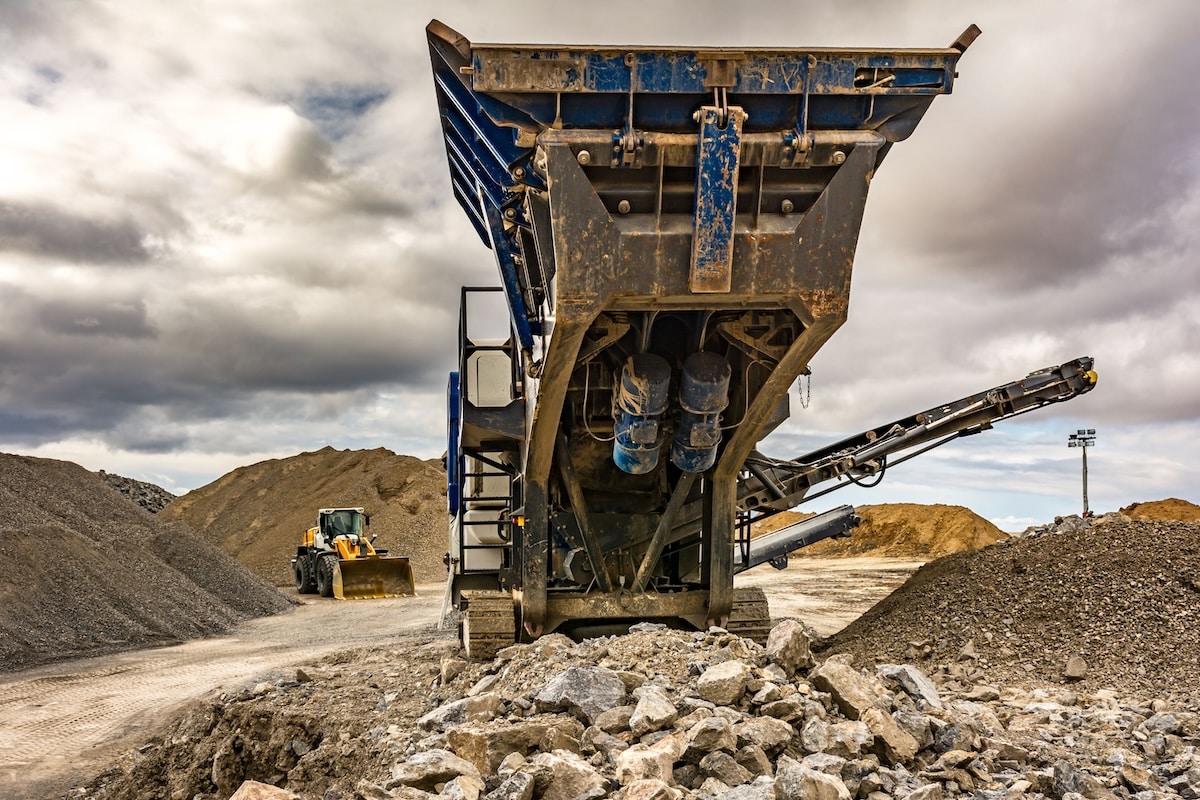
- Motion and Timken focus on fixed plant assets such as crushers, screens and overland conveyors.
- Webinar content is structured around real-world failure investigations rather than theoretical design calculations.
- Case studies dissect component failures down to installation, operating environment and maintenance practice detail.
- Presenters emphasise integrating reliability engineering with daily maintenance planning on large fixed plant.
- Discussion links bearing and drivetrain reliability directly to personnel safety around rotating equipment.
- For similar plants, webinar takeaways support formalising failure reporting and review into site safety management systems.
Our Take
Motion and Timken appear repeatedly in our Australian Mining coverage as solution providers for high-shock, high-contamination environments, signalling that fixed plant reliability work in Australia is increasingly being outsourced to specialist component and service vendors rather than handled purely in-house.
The related piece on Motion’s redesign of a remote coal train loadout system shows that reliability upgrades in Australia are now often tied directly to safety outcomes, with control-system changes used to tame violent mechanical behaviour rather than just to lift throughput.
Timken’s focus on housed and solid-block bearing units in multiple Australian articles suggests that for fixed plant in Australia, operators are prioritising components that simplify maintenance in dirty conditions, which can materially reduce unplanned downtime and exposure hours for maintenance crews.
Prepared by collating external sources, AI-assisted tools, and Geomechanics.io’s proprietary mining database, then reviewed for technical accuracy & edited by our geotechnical team.
Related Articles
Related Industries & Products
Mining
Geotechnical software solutions for mining operations including CMRR analysis, hydrogeological testing, and data management.
CMRR-io
Streamline coal mine roof stability assessments with our cloud-based CMRR software featuring automated calculations, multi-scenario analysis, and collaborative workflows.
HYDROGEO-io
Comprehensive hydrogeological testing platform for managing, analysing, and reporting on packer tests, lugeon values, and hydraulic conductivity assessments.
GEODB-io
Centralised geotechnical data management solution for storing, accessing, and analysing all your site investigation and material testing data.