Geomechanics.io

  • Free Tools
Sign UpLog In
Built byBoxcut Studio

Geomechanics.io

Geomechanics, Streamlined.

© 2026 Geomechanics.io. All rights reserved.

Geomechanics.io

CMRR-ioGEODB-ioHYDROGEO-ioQCDB-ioFree Tools & CalculatorsBlogLatest Industry News

Industries

MiningConstructionTunnelling

Company

Terms of UsePrivacy PolicyLinkedIn
    Projects
    Product

    Epiroc’s LinkOA at Roy Hill: retrofit AHS lessons for mine planners and engineers

    November 24, 2026|

    Reviewed by Joe Ashwell

    First reported on International Mining – News

    30 Second Briefing

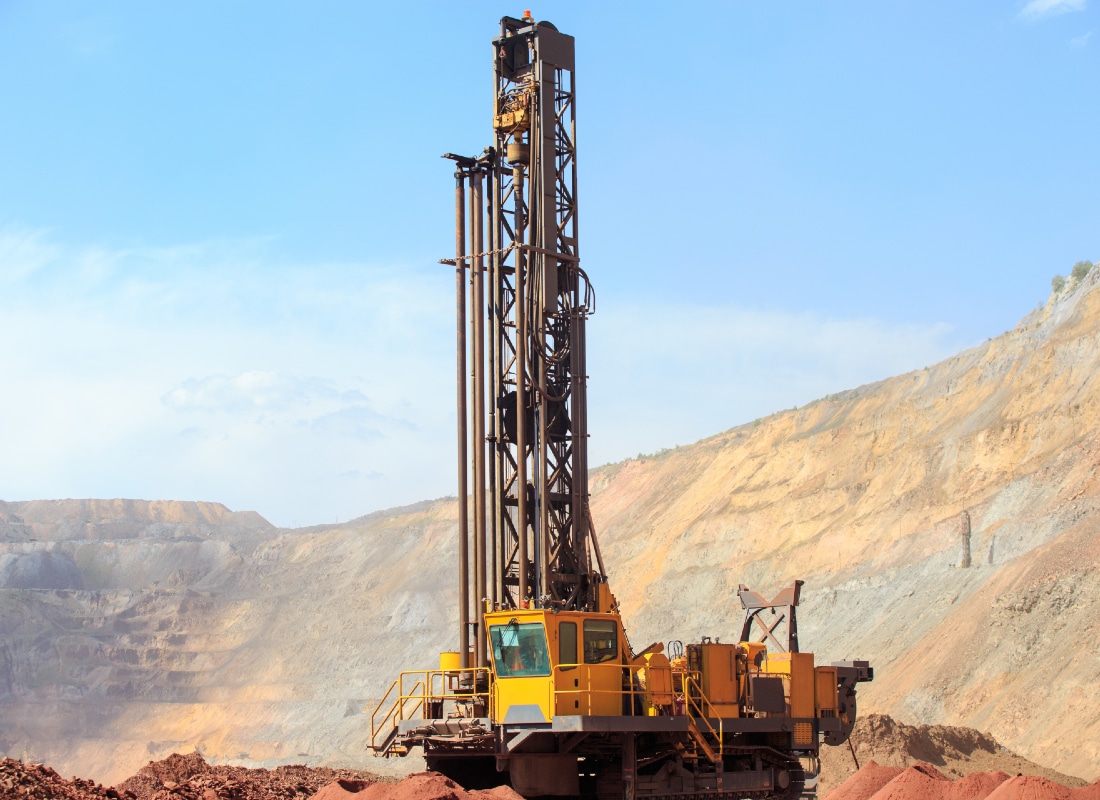
    Epiroc’s LinkOA autonomous haulage system at Hancock Prospecting’s Roy Hill iron ore mine has now moved more than 500 million tonnes of material without a driver in the cab. The OEM stresses not just the volume but the rapid scale-up of the fleet, with LinkOA coordinating mixed-manufacturer trucks across existing haul roads rather than purpose-built autonomy corridors. For mine planners and maintenance teams, the milestone signals growing maturity of retrofit AHS deployments on brownfield operations with conventional pit geometries and traffic patterns.

    Technical Brief

    • System integration covers mixed OEM haul trucks, requiring OEM-agnostic interfaces for drive, braking and steering control.
    • Autonomy stack manages truck–truck and truck–shovel interactions on legacy haul roads with conventional pit layouts.
    • Fleet scale-up demanded progressive conversion of manned units, maintaining production while commissioning autonomous capability.
    • Safety case for LinkOA had to address interaction with light vehicles and manned equipment on shared roads.
    • Control logic must accommodate variable iron ore payloads, changing ramp grades and wet-season traction conditions.
    • Brownfield deployment implies extensive mapping and localisation of pre-existing benches, dumps and crusher approaches.

    Our Take

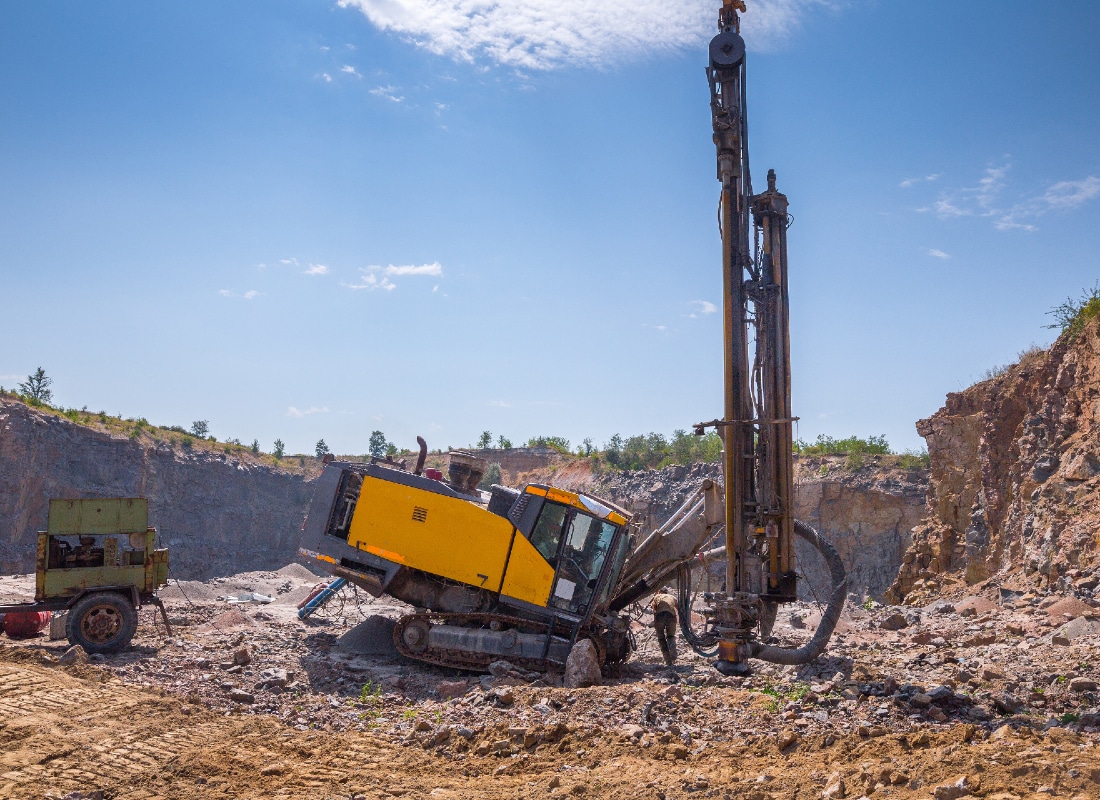
    Epiroc’s automation footprint in Australia, highlighted here at Roy Hill mine, aligns with our coverage of its Autonomous SmartROC D65 MKII drills at Fortescue’s Solomon and Eliwana operations, signalling that major iron ore producers are standardising on its autonomous stack across both hauling and drilling fleets.

    Geotechnical Software for Modern Teams

    Centralise site data, logs, and lab results with GEODB-io, CMRR-io, and HYDROGEO-io.

    Cancel at any time.

    • Save and export unlimited calculations
    • Advanced data visualisation
    • Generate professional PDF reports
    • Cloud storage for all your projects

    Prepared by collating external sources, AI-assisted tools, and Geomechanics.io’s proprietary mining database, then reviewed for technical accuracy & edited by our geotechnical team.

    Related Articles
    Waratah’s shallow Goldenclad hit: open-pit potential and drilling notes for mine planners
    Mining
    about 2 hours ago

    Waratah’s shallow Goldenclad hit: open-pit potential and drilling notes for mine planners

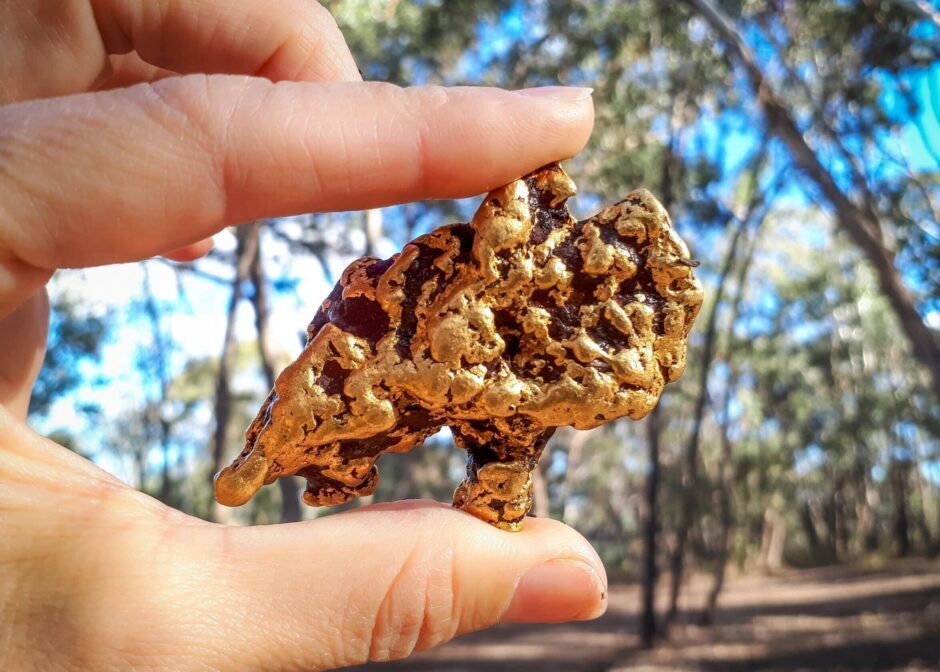
    Waratah Minerals has reported a standout diamond drill intercept of 10m at 12.18g/t Au from 49m depth within a broader 17m interval at 7.35g/t at the Goldenclad prospect in New South Wales. The mineralisation in hole GCD002 occurs at relatively shallow depths, materially improving open-pit potential and drill economics compared with typical deeper lode targets in the region. Results support Waratah’s strategy to grow the existing Spur gold project resource footprint, with follow-up drilling likely to focus on lateral continuity and down-dip extensions of the high-grade zone.

    PC Gold’s $1.59bn Spring Hill plan: mine design and risk notes for engineers
    Mining
    about 2 hours ago

    PC Gold’s $1.59bn Spring Hill plan: mine design and risk notes for engineers

    PC Gold’s pre-feasibility study for the Spring Hill project in the Northern Territory sets out a $1.59 billion pre-tax valuation and a maiden 951,000-ounce gold ore reserve, supporting a standalone open-pit and underground operation. The plan targets production of about 1.03 million ounces of gold over an initial 9.5-year mine life, implying moderate-scale processing and sustained ore delivery from both surface and underground stopes. Geotechnical design will need to accommodate long-term pit wall stability and underground access sequencing over nearly a decade of concurrent operations.

    Gateway Panakin fresh-rock gold hit: targeting depth potential for mine planners
    Mining
    about 2 hours ago

    Gateway Panakin fresh-rock gold hit: targeting depth potential for mine planners

    Gateway Mining has intersected fresh-rock gold grading 1m at 16.5g/t from recent aircore drilling at the Panakin prospect within its Yandal gold project in Western Australia. The mineralisation occurs beneath transported cover, indicating untested fresh-rock potential beyond the existing regolith anomalies that have guided earlier programmes. For explorers and resource modellers, the result suggests scope for higher-grade lodes at depth and justifies follow-up RC or diamond drilling to define geometry, continuity and potential open-pit or underground development scenarios.

    Related Industries & Products

    Mining

    Geotechnical software solutions for mining operations including CMRR analysis, hydrogeological testing, and data management.

    CMRR-io

    Streamline coal mine roof stability assessments with our cloud-based CMRR software featuring automated calculations, multi-scenario analysis, and collaborative workflows.

    HYDROGEO-io

    Comprehensive hydrogeological testing platform for managing, analysing, and reporting on packer tests, lugeon values, and hydraulic conductivity assessments.

    GEODB-io

    Centralised geotechnical data management solution for storing, accessing, and analysing all your site investigation and material testing data.

    AllGeotechnicalInfrastructureHazardsEnvironmental