Geomechanics.io

  • Free Tools
Sign UpLog In
Built byBoxcut Studio

Geomechanics.io

Geomechanics, Streamlined.

© 2026 Geomechanics.io. All rights reserved.

Geomechanics.io

CMRR-ioGEODB-ioHYDROGEO-ioQCDB-ioFree Tools & CalculatorsBlogLatest Industry News

Industries

MiningConstructionTunnelling

Company

Terms of UsePrivacy PolicyLinkedIn
    Projects

    Egis appoints Jamie Gleave EIA director: implications for UK infrastructure teams

    September 14, 2026|

    Reviewed by Tom Sullivan

    Egis appoints Jamie Gleave EIA director: implications for UK infrastructure teams

    First reported on The Construction Index

    30 Second Briefing

    Egis has appointed Jamie Gleave as senior environmental impact assessment technical director for the UK, bringing more than 25 years’ experience across energy, transport and water infrastructure, including Wylfa Newydd nuclear power station and National Grid electricity transmission schemes. Gleave previously served as EIA technical director at AECOM, where he led its global EIA technical excellence practice and directed environmental work on the A428 Black Cat to Caxton Gibbet and M42 Junction 6 DCO schemes, acting as expert witness. He will work with UK–Ireland head of environment Afshan Rasheed to build Egis’s EIA, DCO and technical assurance capability.

    Technical Brief

    • Role remit explicitly spans EIA, landscape and visual impact assessment, environmental management and town planning integration.
    • Double-chartered environmental status signals competence across at least two professional bodies, aiding expert witness credibility.
    • Previous direction of environmental work on A428 Black Cat–Caxton Gibbet involved DCO examination evidence and cross-discipline coordination.
    • M42 Junction 6 improvement scheme experience adds motorway interface, junction capacity upgrades and construction-phase environmental risk management.
    • Wylfa Newydd nuclear power station involvement implies familiarity with nuclear-specific EIA requirements, radiological risk pathways and long-term monitoring frameworks.
    • West Cumbria Water Supplies: Thirlmere Transfer work links to large-diameter water transfer, catchment impacts and reservoir-side construction constraints.
    • Support to National Grid schemes covered strategic EIA, DCO and technical assurance for high-voltage transmission and energy infrastructure corridors.

    Our Take

    Egis bringing in an EIA lead with more than 25 years’ experience on UK schemes such as Wylfa Newydd and National Highways projects positions it to compete more directly with AECOM, which in our coverage is repeatedly winning major UK and Irish infrastructure roles like MetroLink Dublin and the Bakerloo Line Upgrade studies.

    The mix of road, nuclear and strategic water transfer schemes on Gleave’s CV aligns with the bulk of our 28 Environmental stories, where complex UK projects are increasingly constrained by landscape and visual impact objections, suggesting Egis is shoring up front‑end consenting capability rather than pure design capacity.

    Given AECOM’s strong recent run of transport commissions in Ireland and Portugal in our database, Egis’s move signals an attempt to capture a larger share of UK and Ireland EIA frameworks, especially on nationally significant infrastructure where experienced EIA directors can materially de‑risk examination and inquiry stages.

    Geotechnical Software for Modern Teams

    Centralise site data, logs, and lab results with GEODB-io, CMRR-io, and HYDROGEO-io.

    Cancel at any time.

    • Save and export unlimited calculations
    • Advanced data visualisation
    • Generate professional PDF reports
    • Cloud storage for all your projects

    Prepared by collating external sources, AI-assisted tools, and Geomechanics.io’s proprietary mining database, then reviewed for technical accuracy & edited by our geotechnical team.

    Related Articles
    PFAS ‘forever chemical’ cuts in England’s rivers: design implications for treatment works
    Environmental
    about 22 hours ago

    PFAS ‘forever chemical’ cuts in England’s rivers: design implications for treatment works

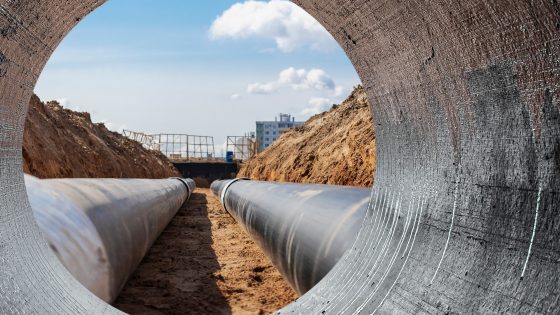
    Levels of two per- and polyfluoroalkyl substances (PFAS) in England’s rivers have fallen by about 30% over the past decade, according to new Environment Agency monitoring data. The assessment points to improved control at industrial discharge points and some wastewater treatment works, but also identifies gaps where conventional plants lack advanced PFAS removal processes such as activated carbon or high-pressure membrane treatment. For civil and environmental engineers, the findings signal likely future upgrades to sewage works, tighter discharge consents and more stringent design criteria for treatment infrastructure.

    Thames Water’s 100‑day drought: reservoir and aquifer stress for water engineers
    Environmental
    9 days ago

    Thames Water’s 100‑day drought: reservoir and aquifer stress for water engineers

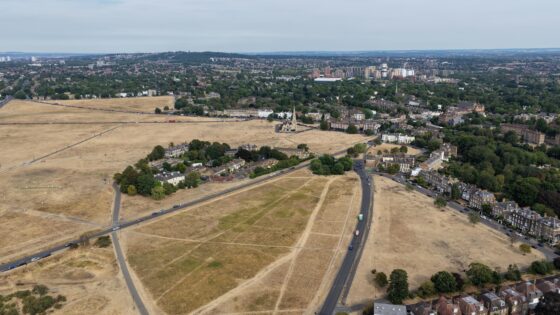
    Thames Water has reached 100 days since declaring a drought across London and the Thames Valley, with key storage such as the Farmoor and Queen Mary reservoirs still below long‑term average levels despite recent rainfall. Groundwater in several Chalk and Thames Gravels aquifers remains depressed, limiting recharge to strategic sources and sustaining pressure on abstraction licences. Civil and water engineers face continued constraints on network planning, leakage control and future resilience schemes, with no immediate scope to relax existing demand‑management measures.

    Rio Tinto Pilbara cane toad barrier: environmental risk lens for mine planners
    Environmental
    11 days ago

    Rio Tinto Pilbara cane toad barrier: environmental risk lens for mine planners

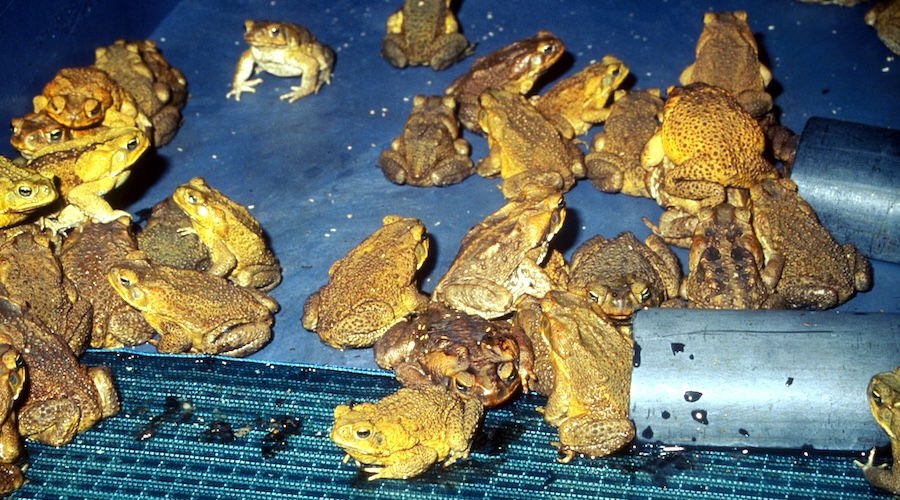
    Rio Tinto and its Rhodes Ridge Joint Venture partners are committing A$28 million over five years to establish a 7,500‑sq‑km Toad Containment Zone between the Indian Ocean and the Great Sandy Desert, modifying or decommissioning 685 pastoral water points to block cane toads before they reach the Pilbara iron ore province. The barrier is intended to protect about 27 million hectares of habitat and at least 25 vulnerable native species, including northern quolls and ghost bats, from a projected invasion within two decades. For miners, success could avoid materially higher environmental approval hurdles and long‑term compliance costs tied to ecosystem damage and Indigenous cultural impacts on bush tucker species such as goannas.

    Related Industries & Products

    Construction

    Quality control software for construction companies with material testing, batch tracking, and compliance management.

    Mining

    Geotechnical software solutions for mining operations including CMRR analysis, hydrogeological testing, and data management.

    QCDB-io

    Comprehensive quality control database for manufacturing, tunnelling, and civil construction with UCS testing, PSD analysis, and grout mix design management.

    AllGeotechnicalInfrastructureHazardsEnvironmental