Edna May first ore for Forrestania: wet commissioning lens for mine engineers
Reviewed by Tom Sullivan
First reported on Australian Mining
30 Second Briefing
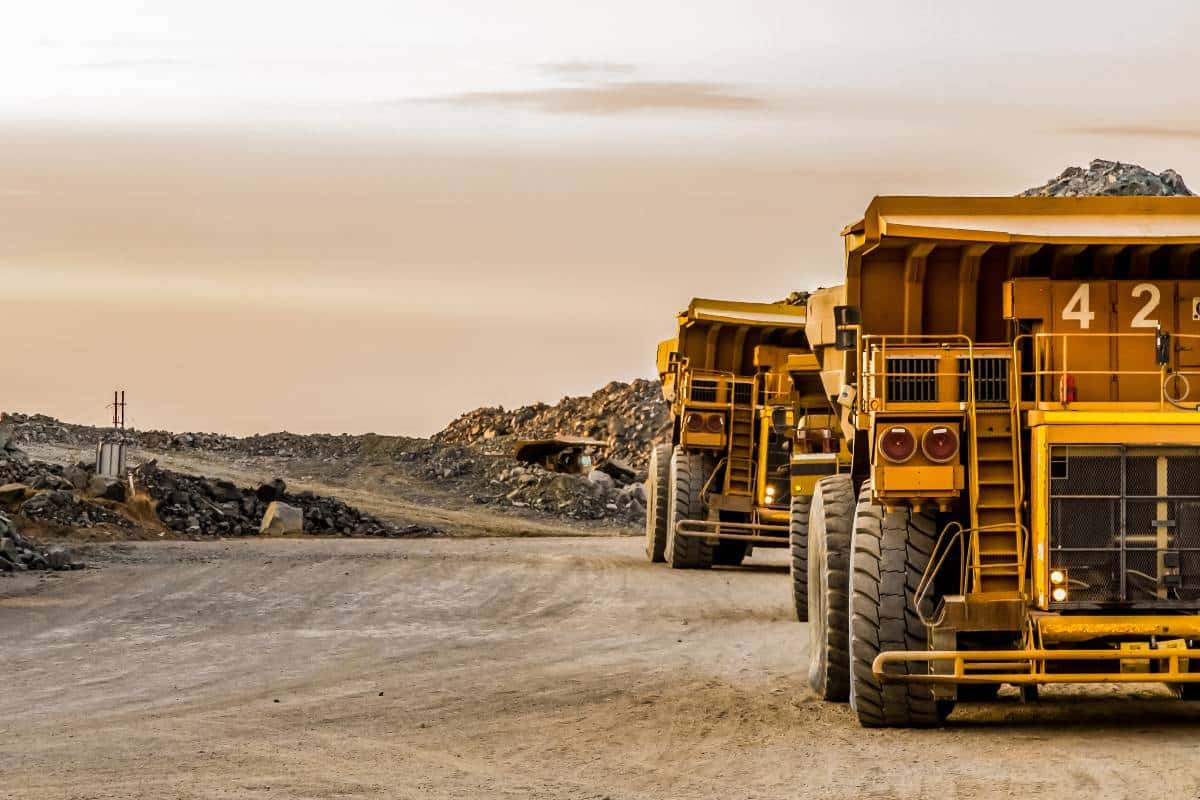
Forrestania Resources has started wet commissioning at the Edna May gold mine in Western Australia after delivering first ore to the primary crusher, about 11 weeks after formally taking control of the operation. The restart programme is tracking towards a first gold pour in December 2026, signalling imminent reactivation of the existing processing plant rather than a greenfield build. Geotechnical and processing teams will now be focused on crusher performance, water balance and tailings management under wet commissioning conditions ahead of ramp-up.
Technical Brief
- Wet commissioning introduces live water and slurry, requiring full lock-out/tag-out and confined-space controls.
- Primary crusher now operating with ore feed, triggering geotechnical monitoring of fragmentation and oversize handling risks.
- Transition from dry to wet circuits demands verification of pump NPSH, sump capacities and emergency overflow routes.
- Tailings line pressurisation during wet runs necessitates valve integrity checks and bunding inspections for leak containment.
- Process water balance testing must confirm make-up supply and storage can handle storm inflow and upset conditions.
- Restarting an existing gold plant concentrates safety risk on recommissioning interfaces: legacy equipment, updated procedures, mixed-experience crews.
- Lessons for similar brownfield restarts include early HAZOP of restart sequences and revalidation of all interlocks and trip systems.
Our Take
The roughly 11‑week ramp from Forrestania Resources’ formal step-in to first ore at the Edna May gold mine is at the faster end of project restart timelines in our database, suggesting the site had relatively low reactivation risk and that key infrastructure remained serviceable.
Linked coverage shows Forrestania has already secured ore feed from Mt Fisher and critical reagents such as sodium cyanide for Edna May, indicating the mine is being positioned as a central processing hub rather than a stand‑alone operation, which can improve unit costs but heightens reliance on haulage and contractor performance.
Forrestania’s concurrent takeover of Zenith Minerals, as reported in recent pieces, points to a strategy of building a broader Western Australia gold portfolio around Edna May, which could give the company more flexibility in sequencing ore sources through to at least the December 2026 time horizon noted for the operation.
Prepared by collating external sources, AI-assisted tools, and Geomechanics.io’s proprietary mining database, then reviewed for technical accuracy & edited by our geotechnical team.
Related Articles

Related Industries & Products
Mining
Geotechnical software solutions for mining operations including CMRR analysis, hydrogeological testing, and data management.
Construction
Quality control software for construction companies with material testing, batch tracking, and compliance management.
CMRR-io
Streamline coal mine roof stability assessments with our cloud-based CMRR software featuring automated calculations, multi-scenario analysis, and collaborative workflows.
HYDROGEO-io
Comprehensive hydrogeological testing platform for managing, analysing, and reporting on packer tests, lugeon values, and hydraulic conductivity assessments.
GEODB-io
Centralised geotechnical data management solution for storing, accessing, and analysing all your site investigation and material testing data.