East Nowra Sub Arterial design: urban connector implications for road engineers
Reviewed by Tom Sullivan
First reported on Roads & Infrastructure (AU)
30 Second Briefing
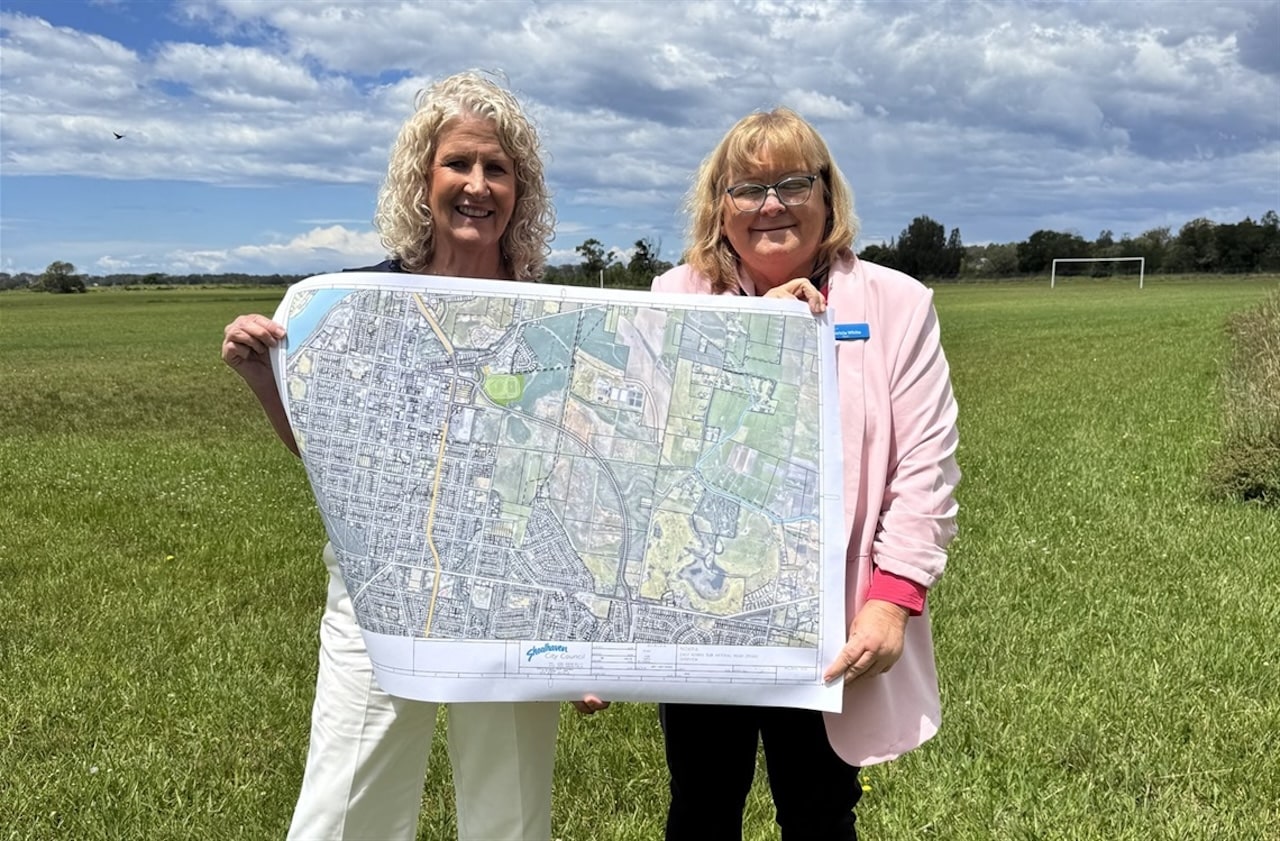
New South Wales’ East Nowra Sub Arterial (ENSA) concept design is now on public display, with Shoalhaven City Council planning a bypass to divert more than 4000 vehicles per day from Nowra’s CBD. The new regional connector is intended to relieve congestion on existing urban arterials through East Nowra and improve access between residential areas and the wider Princes Highway corridor. For designers and contractors, the scheme signals upcoming demand for urban earthworks, pavement design and intersection upgrades in constrained brownfield corridors.
Technical Brief
- Urban earthworks will need tight control on noise, vibration and dust to protect adjacent residential areas.
- Safety outcomes are central to the concept, with separation of through-traffic from local pedestrian-heavy streets.
- Drainage and pavement design must accommodate mixed light–heavy vehicle loading typical of a regional connector.
Our Take
Shoalhaven City Council’s ENSA project sits within New South Wales’ ongoing push to decongest regional CBDs, and a connector designed to carry more than 4000 vehicles daily is likely to trigger follow‑on upgrades at key intersections feeding into the Nowra Central Business District.
Roads & Infrastructure Magazine has been using its podcast and 2026 ‘Roads Review: Looking Forward’ coverage to highlight safety culture and workforce wellbeing, so ENSA’s safety‑tagged design will probably be scrutinised as a test case for how regional councils translate those themes into geometric design, speed environment, and active‑transport interfaces.
Within our 950 Infrastructure stories and 2447 tag‑matched pieces, relatively few focus on council‑led arterial connectors in regional Australia, suggesting ENSA could become a reference project for other local governments looking to justify mid‑scale capacity upgrades without waiting for state‑level mega‑projects.
Prepared by collating external sources, AI-assisted tools, and Geomechanics.io’s proprietary mining database, then reviewed for technical accuracy & edited by our geotechnical team.
Related Articles


Related Industries & Products
Mining
Geotechnical software solutions for mining operations including CMRR analysis, hydrogeological testing, and data management.
Construction
Quality control software for construction companies with material testing, batch tracking, and compliance management.
CMRR-io
Streamline coal mine roof stability assessments with our cloud-based CMRR software featuring automated calculations, multi-scenario analysis, and collaborative workflows.
HYDROGEO-io
Comprehensive hydrogeological testing platform for managing, analysing, and reporting on packer tests, lugeon values, and hydraulic conductivity assessments.
GEODB-io
Centralised geotechnical data management solution for storing, accessing, and analysing all your site investigation and material testing data.