Bruce Highway flood resilience upgrades: design and staging notes for engineers
Reviewed by Joe Ashwell
First reported on Roads & Infrastructure (AU)
30 Second Briefing
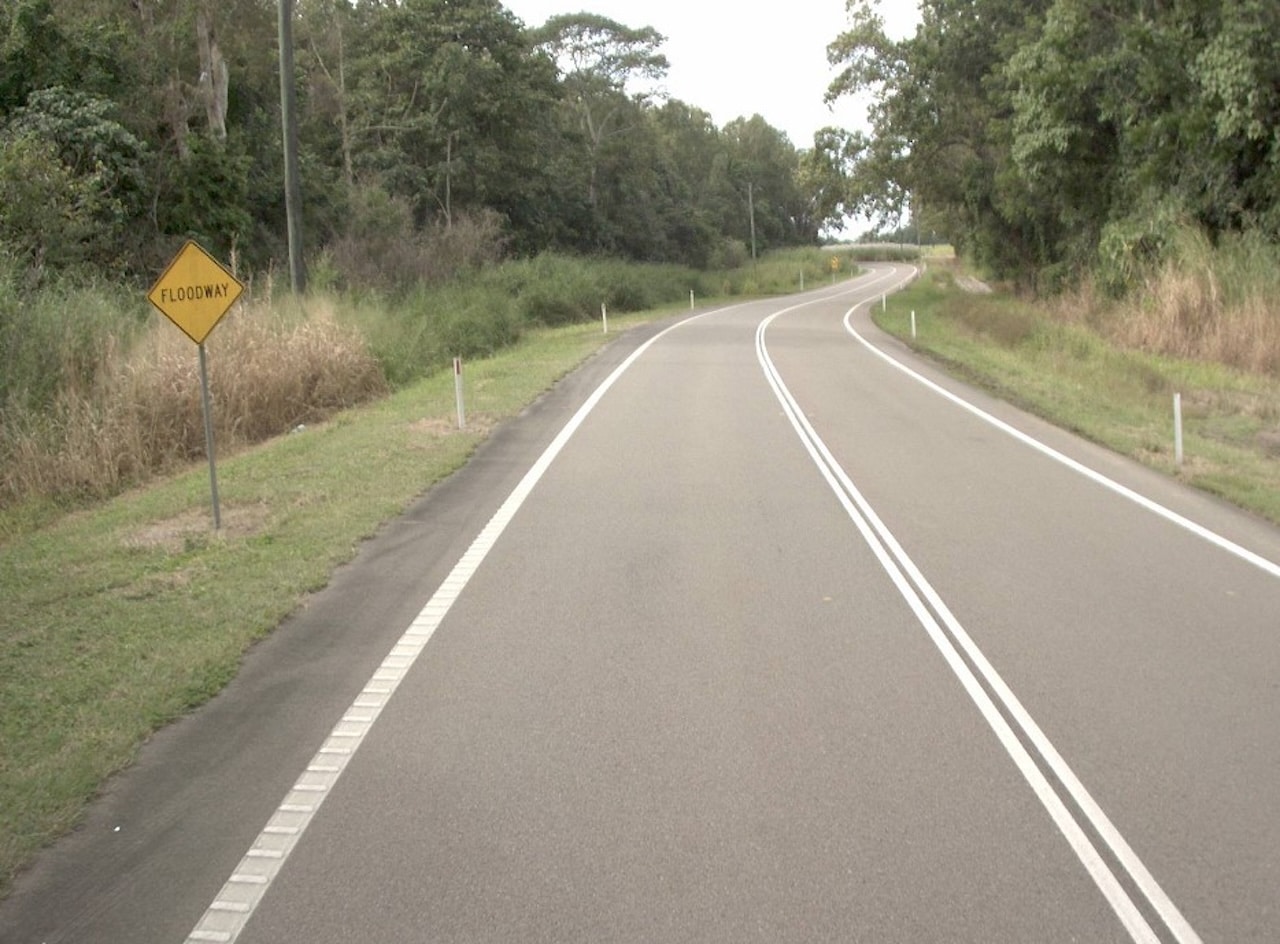
Construction has started on two sections of the Bruce Highway in North Queensland, with works at Gairloch between Ingham and Cardwell and from Gairloch to Ripple Creek targeting reduced wet-season flood closures. The upgrades will raise and strengthen low-lying pavement, improve drainage and culvert capacity, and reprofile embankments to keep the corridor open longer during heavy rainfall. For designers and contractors, the focus will be on hydraulic performance of cross-drainage, pavement resilience under prolonged saturation, and maintaining traffic through staged construction.
Technical Brief
- Works cover two discrete Bruce Highway sections: Gairloch (Ingham–Cardwell) and Gairloch–Ripple Creek.
- Traffic management will need reduced speed zones, contraflow and shoulder closures to protect work crews.
- Pavement reconstruction in a high-rainfall, tropical environment demands strict compaction moisture control and rapid surface sealing.
- Culvert and drainage upgrades require careful tie-ins to existing table drains and adjacent private property accesses.
- Embankment reprofiling near waterways must manage erosion and sediment control to environmental and roadwork standards.
Our Take
For the Queensland Department of Transport and Main Roads, works around Ingham, Cardwell, Gairloch and Ripple Creek sit in a band of assets that are repeatedly disrupted by cyclones and monsoonal rain, so design choices here are likely to become reference standards for future upgrades on other vulnerable coastal routes.
Prepared by collating external sources, AI-assisted tools, and Geomechanics.io’s proprietary mining database, then reviewed for technical accuracy & edited by our geotechnical team.


