Geomechanics.io

  • Free Tools
Sign UpLog In

    Geomechanics.io

    Geomechanics, Streamlined.

    © 2026 Geomechanics.io. All rights reserved.

    Geomechanics.io

    CMRR-ioGEODB-ioHYDROGEO-ioQCDB-ioFree Tools & CalculatorsBlogLatest Industry News

    Industries

    MiningConstructionTunnelling

    Company

    Terms of UsePrivacy PolicyLinkedIn
    Projects
    Product

    BME’s connected AI-powered blasting: design and risk takeaways for mine planners

    June 26, 2026|

    Reviewed by Joe Ashwell

    BME’s connected AI-powered blasting: design and risk takeaways for mine planners

    First reported on International Mining – News

    30 Second Briefing

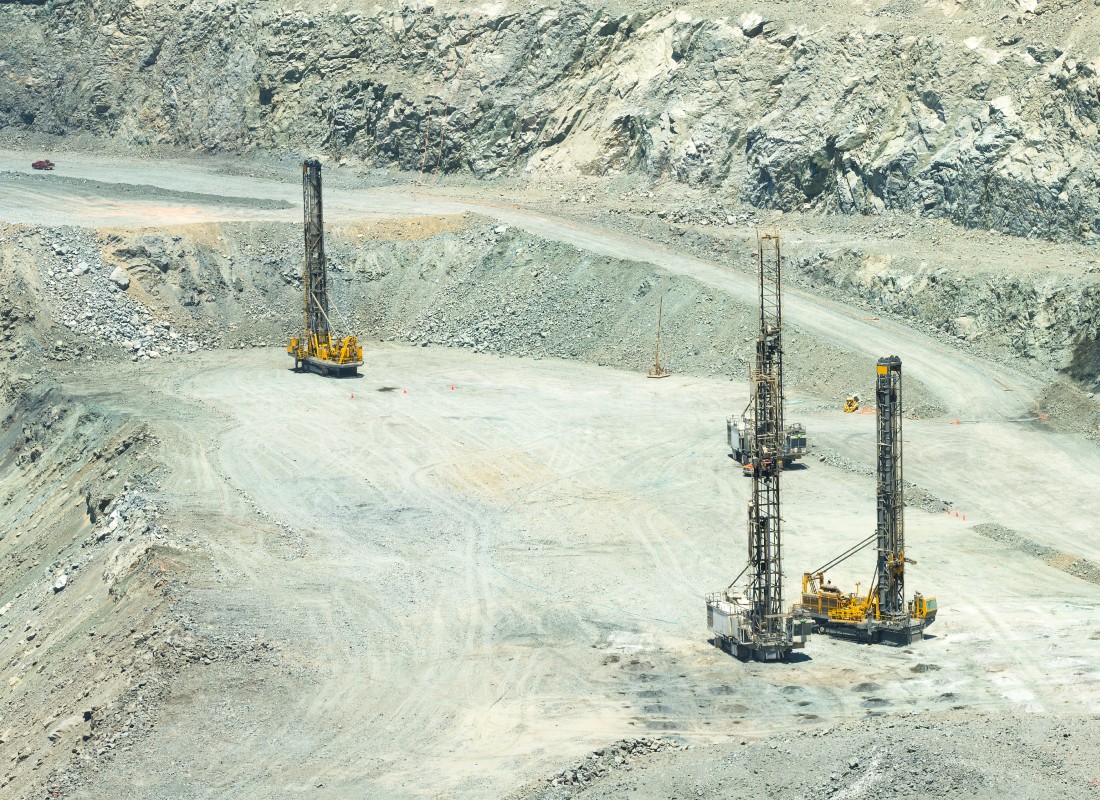
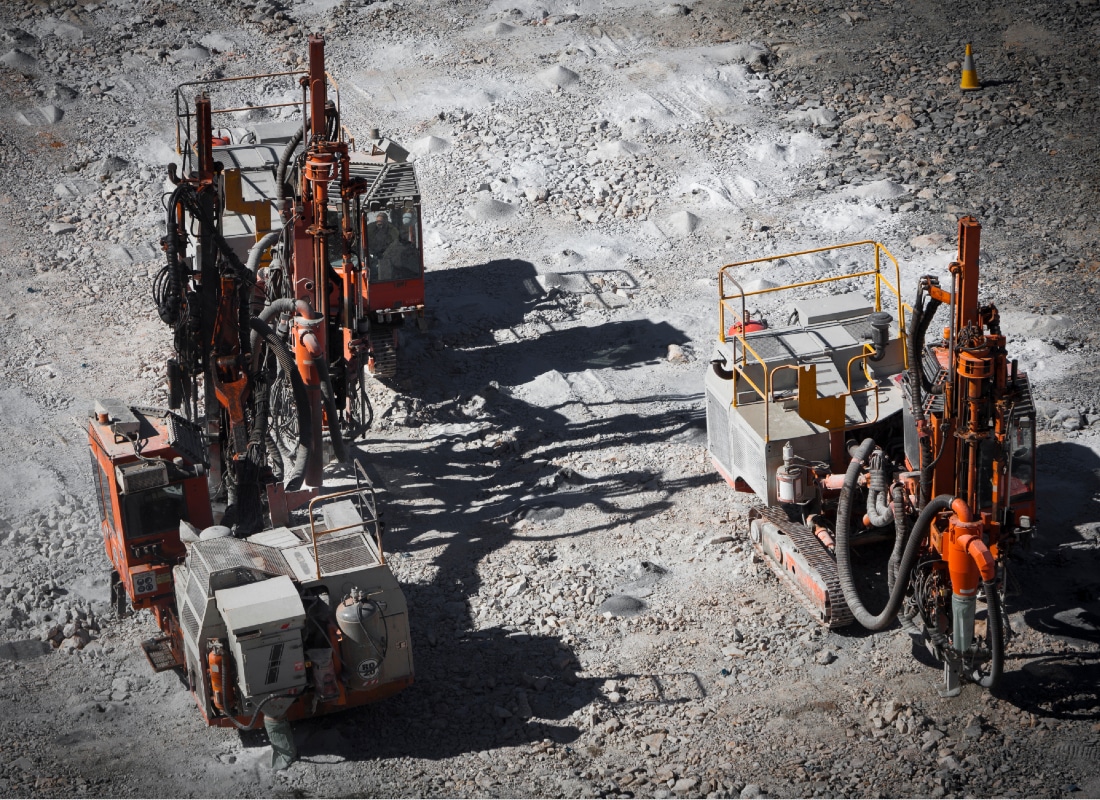
    BME, part of Omnia Group, is pushing “connected” AI-enabled blasting by integrating its advanced explosives with digital platforms to turn blasting from simple rock breakage into a data-rich upstream process. Using blast design, initiation and monitoring tools linked across the value chain, the company is targeting tighter fragmentation control, reduced energy use in crushing and milling, and improved vibration and flyrock management. For mine planners and geotechnical teams, this means blast parameters increasingly feed directly into real-time optimisation of loading, hauling and downstream plant performance.

    Technical Brief

    • For other mines, the main implication is the need for rigorous, standardised drill-and-blast data collection to unlock similar AI workflows.

    Our Take

    BME’s push into AI-enabled, connected operations builds on its recent work on resilient reagent supply chains highlighted in the June 2026 webinar with BME Metallurgy and Omnia Holdings, signalling a strategy to integrate digital intelligence from blasting through to downstream processing performance.

    The new AI focus aligns with BME’s investment in electronic detonator capacity at Kalgoorlie, where tighter control of blast timing already generates high-frequency data that can feed machine‑learning models for fragmentation, vibration and dilution prediction on hard‑rock sites.

    Within our 1207 Mining stories, BME appears repeatedly in safety and operational excellence pieces, and coupling that 40‑plus years of blasting expertise with AI suggests its competitive edge is likely to be in decision-support tools that are tightly grounded in field data rather than generic analytics platforms.

    Geotechnical Software for Modern Teams

    Centralise site data, logs, and lab results with GEODB-io, CMRR-io, and HYDROGEO-io.

    No credit card required.

    • Save and export unlimited calculations
    • Advanced data visualisation
    • Generate professional PDF reports
    • Cloud storage for all your projects

    Prepared by collating external sources, AI-assisted tools, and Geomechanics.io’s proprietary mining database, then reviewed for technical accuracy & edited by our geotechnical team.

    Related Articles
    Mining
    about 4 hours ago

    Applied Intuition’s Dana platform: integration and testing notes for mine robotics

    Applied Intuition has launched Dana, an agentic platform for building, testing, deploying and operating physical AI systems, targeting applications such as autonomous haulage, drilling automation and robotic inspection in mines. The platform combines agentic AI with the company’s existing simulation, scenario generation and validation toolchain, allowing developers to iterate control policies and perception models in software before field deployment. For mine operators and OEMs, Dana is positioned to shorten integration cycles between virtual testing and on-site commissioning of AI-enabled mobile equipment and fixed-plant robotics.

    Mining
    about 4 hours ago

    Mt Holland spodumene expansion: ore sorting and cost impacts for mine planners

    Wesfarmers and SQM have jointly approved a final investment decision to expand the Mt Holland lithium project in Western Australia, adding a new integrated ore sorting facility alongside the existing mine and concentrator. The project, operated by Covalent Lithium, will double spodumene concentrate output and is expected to materially reduce unit operating costs while accelerating cash flow from the operation. For mine planners and process engineers, the key change is the upstream ore sorting step, which should improve feed grade and reduce downstream milling and flotation load.

    Mining
    about 4 hours ago

    ICMM water risk study: key implications for mine design and tailings teams

    Nearly two-thirds of global mining and metals facilities are sited in areas of significant physical water risk, according to ICMM’s new Global Mining and Metals Water Dataset. The analysis also finds that competition for water between mine sites and other industrial and domestic users is the dominant physical risk driver, rather than solely hydrological scarcity. For geotechnical and processing teams, this points to tighter constraints on dewatering, tailings water balances and make-up water allocations, with permitting and community relations becoming critical design inputs.

    Related Industries & Products

    Mining

    Geotechnical software solutions for mining operations including CMRR analysis, hydrogeological testing, and data management.

    CMRR-io

    Streamline coal mine roof stability assessments with our cloud-based CMRR software featuring automated calculations, multi-scenario analysis, and collaborative workflows.

    HYDROGEO-io

    Comprehensive hydrogeological testing platform for managing, analysing, and reporting on packer tests, lugeon values, and hydraulic conductivity assessments.

    GEODB-io

    Centralised geotechnical data management solution for storing, accessing, and analysing all your site investigation and material testing data.

    AllGeotechnicalMiningInfrastructureMaterialsHazardsEnvironmentalSoftwarePolicy