Atlas Copco hybrid generators: design, duty-cycling and CO₂ cuts for site engineers
Reviewed by Tom Sullivan
First reported on The Construction Index
30 Second Briefing
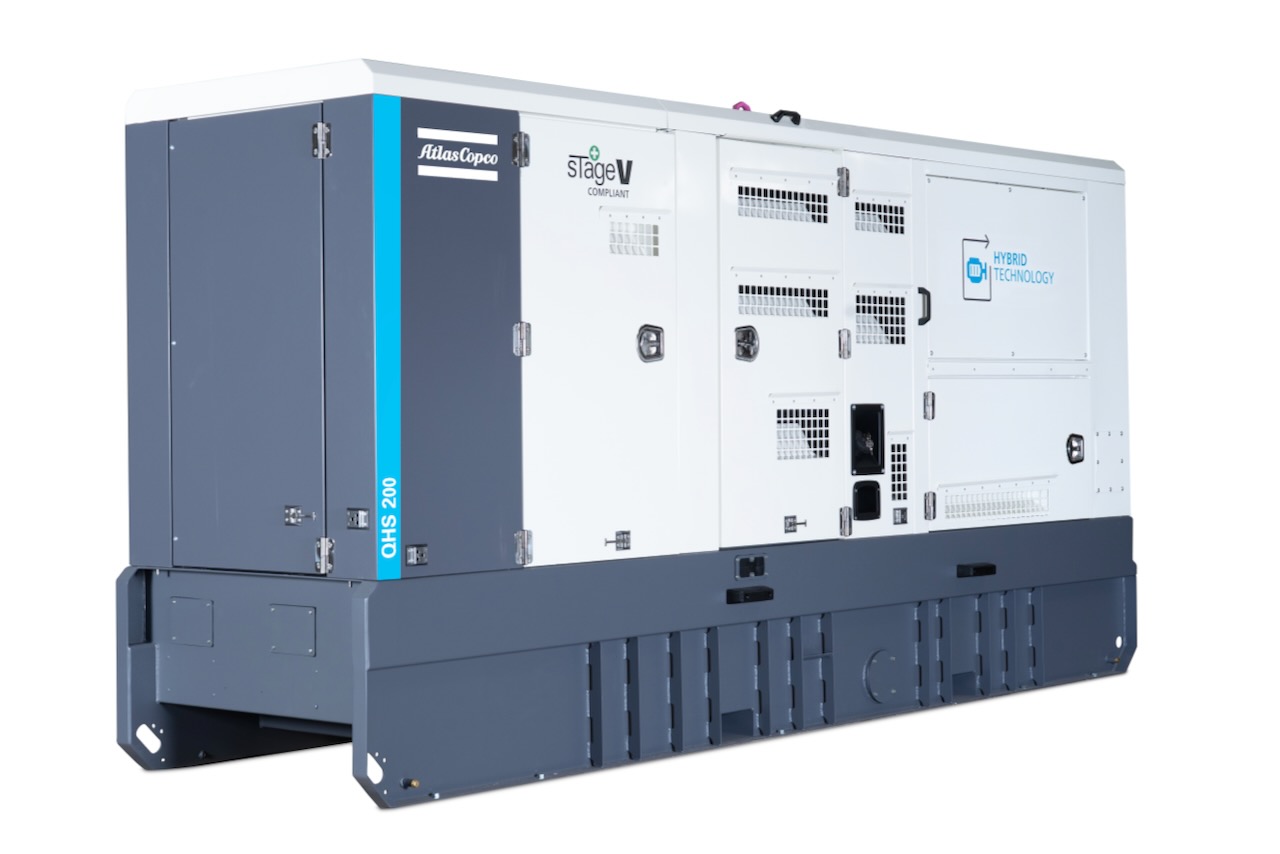
Atlas Copco has launched QHS integrated hybrid generators that combine battery storage and a diesel genset in a single canopy unit, capable of grid charging, self-charging via the engine, and optional solar panel input. The system automatically manages multiple energy sources to minimise engine runtime, claiming up to 80% fuel and CO₂ reductions and more than 95% less engine operating time versus diesel-only sets at low or variable loads. Rental-focused features include multiple socket configurations, external fuel connections, a terminal board and FleetLink telemetry for remote monitoring, diagnostics and fleet management.
Technical Brief
- Multiple socket configurations plus a terminal board support mixed-voltage plant, site cabins and three-phase construction equipment.
- External fuel connections allow tie-in to bulk tanks, extending refuelling intervals for remote or difficult-access locations.
- FleetLink telemetry supports remote diagnostics and utilisation tracking, aiding rental fleet right-sizing and maintenance scheduling.
Our Take
Atlas Copco’s hybrid generators sit alongside the B-Air 185-12 battery-driven compressor already on UK demonstrations, signalling a deliberate push to offer low- or zero-idle power and air solutions for temporary worksites rather than just incremental diesel efficiency gains.
The claimed 80% fuel and CO₂ cuts plus a 95% reduction in engine runtime are large enough to materially change whole-of-life cost and maintenance planning for rental fleets, especially when paired with telematics such as FleetLink for tracking utilisation and idling across mixed equipment.
Across our Materials coverage, Atlas Copco appears frequently in product and sustainability-tagged pieces, suggesting it is one of the more active OEMs in commercialising low-emission portable power and compressor systems for construction and mining rather than limiting innovation to fixed-plant equipment.
Prepared by collating external sources, AI-assisted tools, and Geomechanics.io’s proprietary mining database, then reviewed for technical accuracy & edited by our geotechnical team.
Related Articles


Related Industries & Products
Mining
Geotechnical software solutions for mining operations including CMRR analysis, hydrogeological testing, and data management.
Construction
Quality control software for construction companies with material testing, batch tracking, and compliance management.
CMRR-io
Streamline coal mine roof stability assessments with our cloud-based CMRR software featuring automated calculations, multi-scenario analysis, and collaborative workflows.
HYDROGEO-io
Comprehensive hydrogeological testing platform for managing, analysing, and reporting on packer tests, lugeon values, and hydraulic conductivity assessments.
GEODB-io
Centralised geotechnical data management solution for storing, accessing, and analysing all your site investigation and material testing data.