AfPA capacity build-out: bitumen supply resilience and risk notes for road engineers
Reviewed by Joe Ashwell
First reported on Roads & Infrastructure (AU)
30 Second Briefing
Australia’s flexible pavement sector is ramping up new asphalt plants, regional depots and storage to avoid a repeat of March 2026, when shipping disruption left national bitumen supply at genuine risk. The Australian Flexible Pavement Association reports members have stabilised output by diversifying import terminals, expanding bulk bitumen tanks and upgrading high-capacity drum and batch plants across multiple states. For road owners and contractors, this added redundancy in binders, mixing and haulage capacity reduces programme risk on large resurfacing and rehabilitation contracts.
Technical Brief
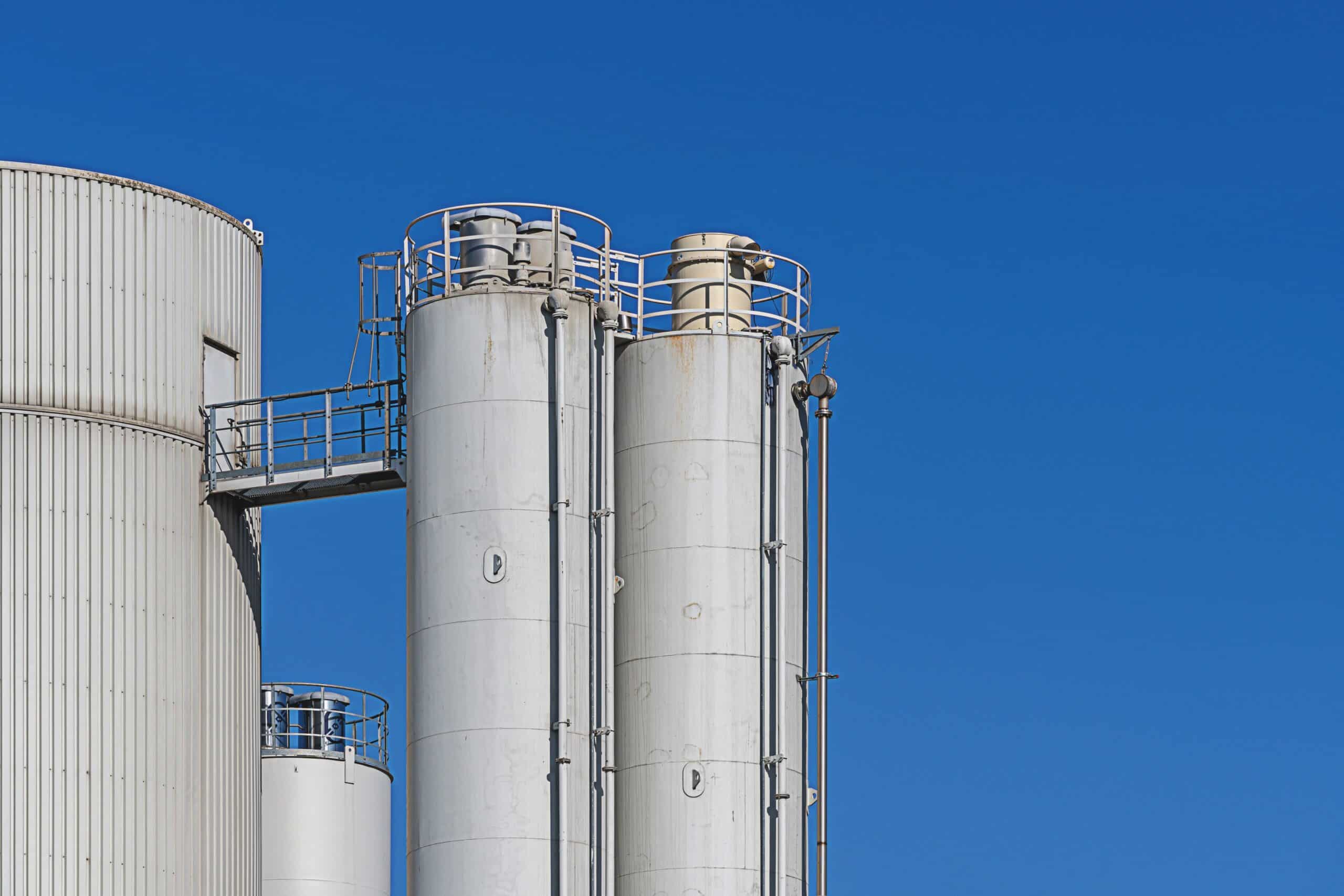
- Additional bulk storage provided contingency against port closures, weather delays and shipping queue congestion.
- Supply-chain risk is now treated as a safety issue, given links between pavement failure and crash rates.
- Contract specifications are reportedly being reviewed to better accommodate supply shocks without unsafe work acceleration.
Our Take
The March 2026 bitumen supply risk flagged here lines up with an earlier AfPA piece on bitumen and fuel disruptions, suggesting AfPA is moving from short‑term crisis coordination to a more structured, state‑by‑state resilience framework for Australia’s road programmes.
Across our Infrastructure coverage, AfPA is one of the few industry bodies repeatedly tying bitumen supply security to asset‑management benchmarks (like the ‘seven per cent’ reseal and reinvestment push), which signals that supply‑chain robustness is now being treated as a core pavement‑performance parameter rather than a procurement issue.
For Australian road agencies and contractors, the combination of AfPA’s performance‑based asphalt mix guidance and the March 2026 bitumen constraints implies that future specifications may increasingly reward designs and binders that can tolerate variable bitumen sources without compromising safety or sustainability outcomes.
Prepared by collating external sources, AI-assisted tools, and Geomechanics.io’s proprietary mining database, then reviewed for technical accuracy & edited by our geotechnical team.
Related Articles


Related Industries & Products
Mining
Geotechnical software solutions for mining operations including CMRR analysis, hydrogeological testing, and data management.
Construction
Quality control software for construction companies with material testing, batch tracking, and compliance management.
CMRR-io
Streamline coal mine roof stability assessments with our cloud-based CMRR software featuring automated calculations, multi-scenario analysis, and collaborative workflows.
HYDROGEO-io
Comprehensive hydrogeological testing platform for managing, analysing, and reporting on packer tests, lugeon values, and hydraulic conductivity assessments.
GEODB-io
Centralised geotechnical data management solution for storing, accessing, and analysing all your site investigation and material testing data.