Geomechanics, Streamlined.
© 2026 Geomechanics.io. All rights reserved.
JP Giroud’s legacy site consolidates more than 400 technical documents, including his 1977 geomembrane liner leakage formulation and 1982 composite liner concept, which underpin modern landfill and heap leach barrier design. The archive spans Terzaghi Lecture materials, ASCE Geo-Institute Hero content, and International Geosynthetics Society presidential work from 1986–1990, plus design charts, case histories, and conference keynotes. Practitioners gain a single reference point for Giroud’s methods on leakage control, stability of geosynthetic-lined slopes, and geosynthetic-reinforced soil structures.
FLS is advancing its vertical media regrind mills, with Global Product Line Manager Peter Wulff emphasising attrition-based grinding that delivers finer particle sizes at lower specific energy than conventional ball mills. The latest designs integrate high-efficiency drives and advanced process control to cut CO₂ emissions per tonne milled, targeting operations dealing with lower head grades and higher hardness ores. For plant designers, this points to smaller footprint regrind circuits, reduced steel media consumption and improved liberation for downstream flotation.
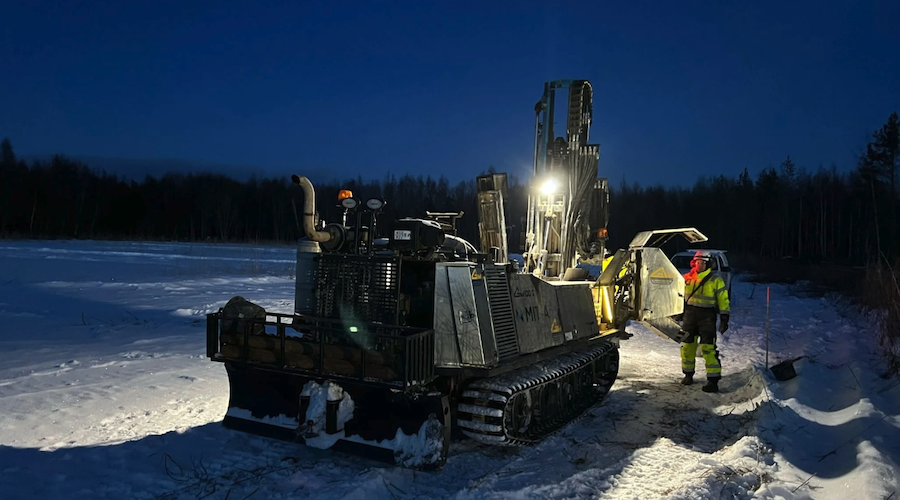
Finland’s Korsnäs rare earth project has returned its strongest intercept to date for European Resources, with 31.5 metres at 4,902 ppm TREO and an unusually high 28–30% NdPr content, making it particularly relevant for permanent magnet supply chains. Early mineralogical work points to monazite–apatite mineralisation, raising both processing opportunities and tighter residue controls due to potential thorium/uranium, while metallurgical test work with ANSTO is already under way to define separation routes. The op-ed argues Europe’s real bottleneck is not ore discovery but financing and permitting domestic processing and separation capacity to meet EU 2030 Critical Raw Materials Act targets of 10% extraction, 40% processing and 25% recycling.
A 271.5‑tonne Herrenknecht Mixshield TBM, Caroline, has started driving a 2.2km electricity cable tunnel with a 4m internal diameter beneath the River Thames in Essex for National Grid’s Grain to Tilbury project, delivered by the Ferrovial BEMO joint venture. The drive will pass through variable Thames estuary ground conditions between 35m‑deep launch and reception shafts of 15m and 12m diameter, with tunnelling continuing into 2026 and overall scheme completion targeted for 2029. The new tunnel will replace the 1969 Thames Cable Tunnel and carry new high‑voltage circuits between Grain and Tilbury substations.
China’s Shaanxi Tonly Heavy Industries, based in Xi’an and listed on the Beijing Stock Exchange, has emerged as a globally significant manufacturer credited with inventing the wide body mining truck. The company operates a major manufacturing branch in Xianyang and has established Shaanxi Tonly New Energy Intelligent to focus on new-energy haulage solutions. For mine operators, Tonly’s specialisation in wide body trucks and dedicated new-energy arm signals growing competition to conventional rigid and articulated haulers, particularly in high-volume, short-haul pit and quarry applications.
Australasian Railway Association chief executive Caroline Wilkie has welcomed Infrastructure Australia’s new 10‑year Infrastructure Priority List, which explicitly positions heavy rail, light rail and intermodal freight as core to the national network rather than ancillary to roads. The evidence‑based list guides Federal investment decisions and ranks proposals by cost–benefit and network performance, giving major passenger rail upgrades and freight corridor capacity projects clearer visibility in the funding pipeline. Rail suppliers, constructors and operators can now align planning, skills and rollingstock procurement with the IPL’s staged priorities.
Transport Australia has launched as the rebranded successor to Roads Australia, calling for a fundamental reset of how the country’s transport network is funded and managed after research found Australians collectively spend about five billion hours travelling each year. The new industry body wants integrated, multimodal planning across road, rail and public transport, rather than project-by-project road funding. For civil and transport engineers, this signals stronger scrutiny of whole-of-network performance, lifecycle asset management and sustainability outcomes in future business cases and design standards.
Alemlube is supplying Australian mines with Pulsarlube automatic lubrication systems that meter precise grease volumes directly to critical bearings, conveyors and crushers, reducing manual greasing in confined or high-risk areas. The electro-mechanical units can be programmed for specific discharge rates and operating intervals, maintaining consistent film thickness on components running under heavy loads and variable speeds. By cutting unplanned stoppages and minimising over- or under-lubrication, sites are extending bearing life, stabilising production and lowering maintenance exposure for fitters and lubrication technicians.
Queensland is investing $500,000 to move women into higher‑skilled operator and technician roles in the state’s resources sector, targeting positions such as autonomous haul truck operators, process plant technicians and mine control room specialists. Funding will support accredited training and upskilling programmes aligned with existing operations in coal, critical minerals and gas fields across regional Queensland. For mine operators, the initiative signals potential access to a broader pool of trained candidates for control systems, high‑precision equipment and maintenance roles where skills shortages are persistent.
Bedeschi Australia is retrofitting and redesigning bulk materials handling equipment across ports and mine sites to turn chronic bottlenecks – such as underperforming shiploaders, stacker–reclaimers and overland conveyors – into higher-throughput assets. The company is supplying locally engineered upgrades including redesigned chutes to cut blockage, heavier-duty conveyor components to handle higher belt tensions, and control-system modernisations to stabilise load profiles. For engineers, the focus is on extending asset life, reducing unplanned stoppages and lifting tonnes-per-hour without major greenfield capital spend.
Liebherr-Australia’s Adelaide fabrication team completed its 50th mining excavator bucket for 2025 on 10 December, setting a new annual production record for the facility. The milestone run included 18 m³ heavy-duty rock buckets for R 9400 excavators, built with full joint preheating and high-strength wear packages tailored to hard-rock conditions. For mine operators, the increased local capacity for large backhoe and face shovel buckets shortens lead times for replacements and custom designs, reducing reliance on imported ground-engaging equipment.
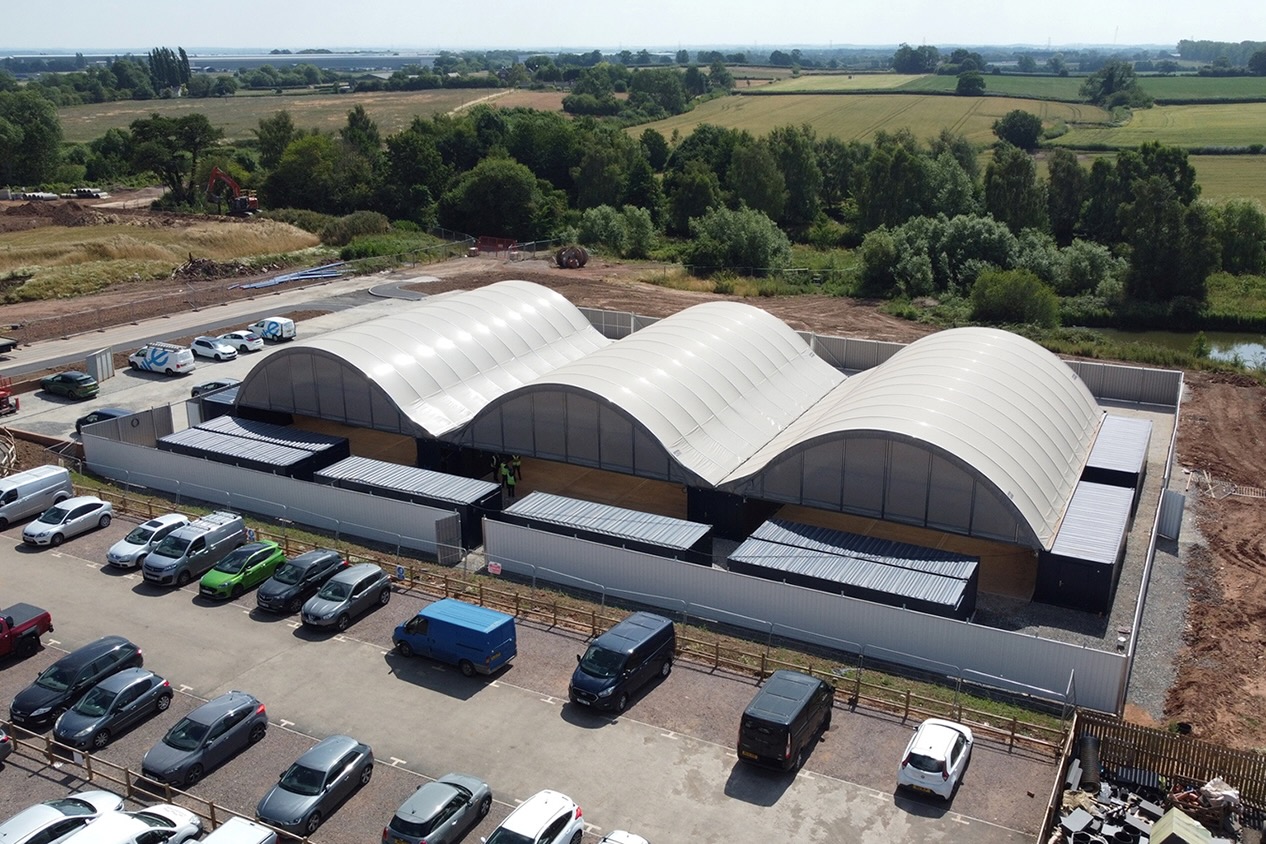
NHBC has opened its first multi-skills training hub at Redrow’s Curborough Lakes site in Lichfield, the pilot for 12 hubs in a £100m UK-wide programme intended to support delivery of 1.5m new homes this parliament. The first cohort achieved a 93% pass rate, with four distinctions and nine first-time passes, compared with a 53% industry average reported by the Department for Education. Apprentices train outdoors on live-site conditions and can qualify in about 14 months, roughly half the duration of many traditional routes, with capacity planned for 3,000 apprentices a year once all hubs are operating.
Arup has been appointed by Great British Energy – Nuclear to deliver early-phase foundation engineering and design support for the UK’s first small modular reactor project at Wylfa on Ynys Môn/Anglesey, which will comprise three Rolls-Royce SMR units backed by £2.5bn of UK government funding. Amentum is leading the delivery programme with Turner & Townsend, Hochtief, Mace Consult and Unipart, while LDA Design, TÜV SÜD Nuclear Technologies and Gleeds will cover masterplanning, nuclear safety and cost engineering. Early geotechnical characterisation, nuclear safety integration and site-specific civil design will strongly influence constructability, programme risk and future SMR replication.
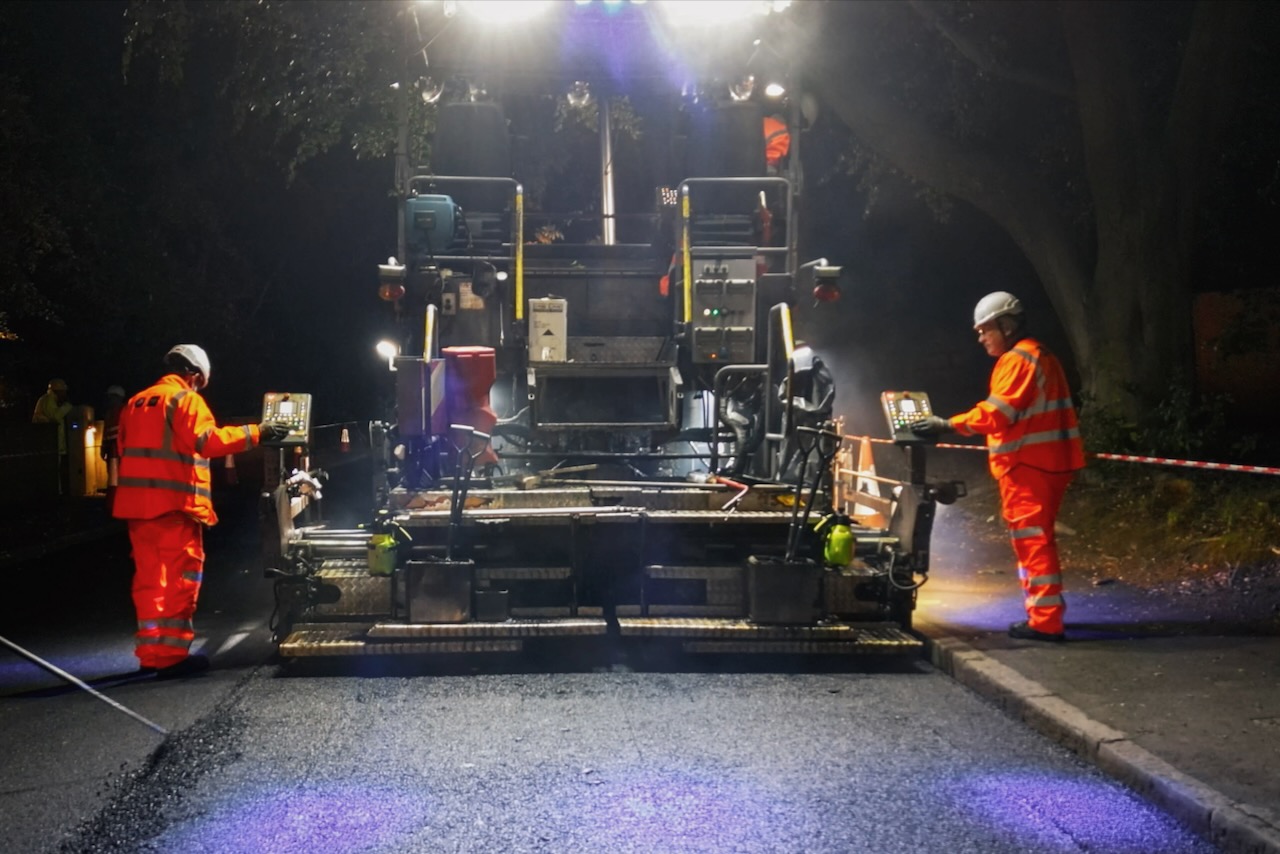
Heidelberg Materials UK has re-secured a three-year, £9m structural carriageway resurfacing contract with Wirral Borough Council following a competitive tender, extending a relationship that began in 2014 via Bam Nuttall and directly since 2019. The scope covers highway carriageway resurfacing across the borough, with the council citing strong technical capability, value for money and sustainability performance in its award decision. Heidelberg will explore lower carbon asphalt solutions on the network, signalling potential demand for warm-mix and other reduced-embodied-carbon surfacing materials in local authority frameworks.
More than $1 billion in US-backed loans, equity and offtake deals has flowed into Latin American critical minerals since January 2025, including a $100 million Inter-American Development Bank loan for a $2.5 billion lithium project in Argentina and a proposed $465 million US Development Finance Corporation stake in Serra Verde’s rare earths mine in Goiás, Brazil. Argentina’s RIGI regime has already underpinned Rio Tinto’s $2.5 billion Salta lithium project and lifted national lithium capacity from 75,500 t/y in 2023 to about 186,000 t/y in 2025, with 658,000 t/y targeted by 2035. Geopolitically driven capital is accelerating lithium, rare earth and copper developments, but permitting, resource nationalism and EU/US merger scrutiny, such as the Phase II review of MMG’s bid for Anglo’s Brazilian nickel assets, remain critical schedule risks.
First Quantum Minerals is selling its Çayeli copper-zinc underground mine in northeastern Türkiye to Cengiz Insaat, controlled by Cengiz Holding, for $340 million in cash, including a $50 million advance, with completion targeted for Q2–Q3 2026. Çayeli, a VHMS deposit on the Black Sea coast using underground bulk-mining methods, has operated since 1994 and holds reserves expected to sustain production to 2036. The divestment follows December’s $190 million sale of Cobre Las Cruces in Spain as First Quantum reallocates capital towards restarting Cobre Panama.
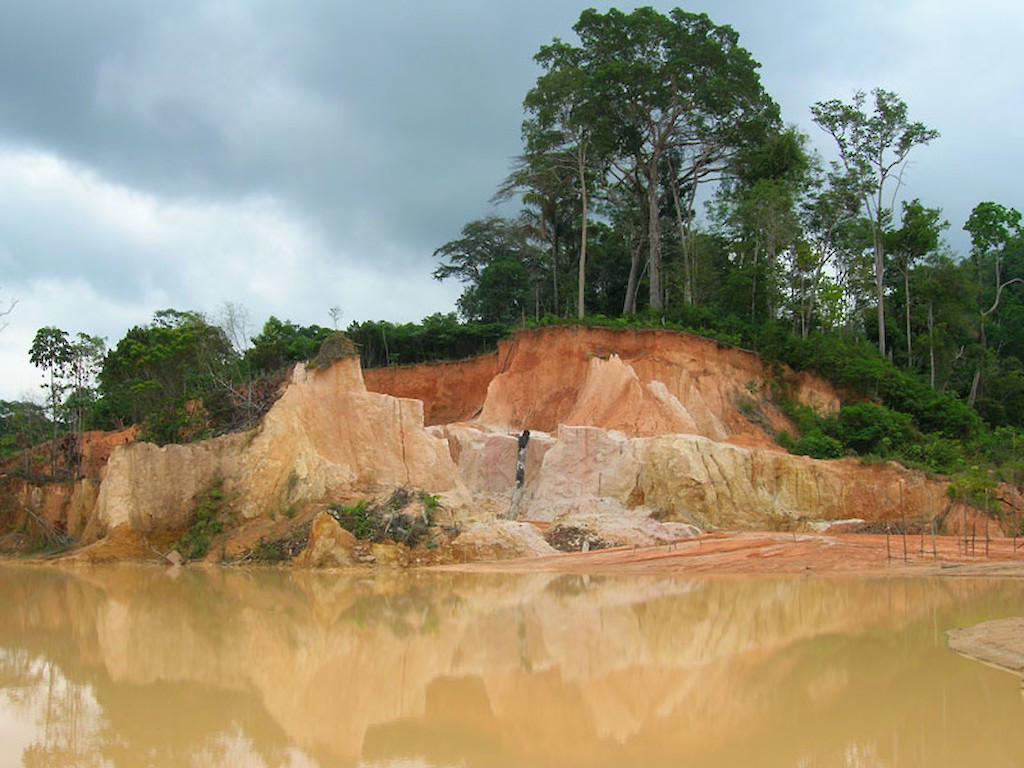
Resolute Mining has approved the final investment decision for the Doropo gold project in north‑eastern Côte d’Ivoire, about 480 km north of Abidjan, targeting first construction in H1 2026 and an initial mine life of roughly 13 years. The project is central to Resolute’s plan to lift group output above 500,000 oz/y by the end of 2028 and to build a multi‑asset West African portfolio alongside its existing operations. Approval follows completion of technical, economic, environmental and social studies and the granting of a mining permit by Côte d’Ivoire’s Council of Ministers.
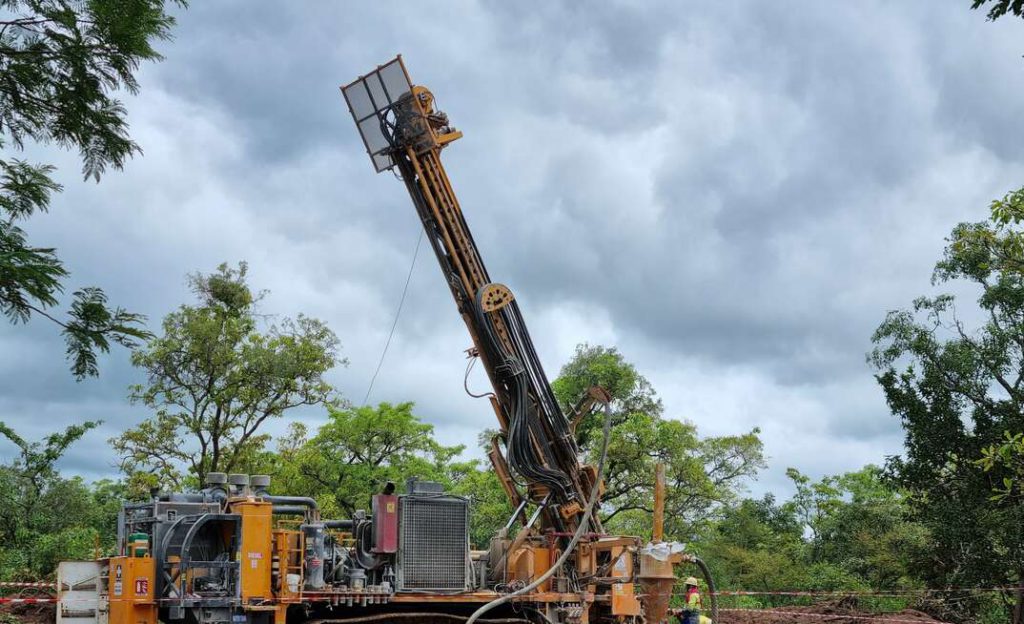
Cabral Gold’s Cuiú Cuiú project in Pará, Brazil, has returned its strongest drill intervals to date at the Jerimum Cima target, with hole DDH372 cutting 25.8 metres at 0.6 g/t Au from 131 metres, including about 3 metres at 285.5 g/t Au within a high-grade central zone surrounded by lower grade stockwork. The project’s updated prefeasibility study outlines 13.6 Mt indicated at 0.5 g/t Au (216,182 oz), 6.4 Mt inferred at 0.34 g/t Au (70,570 oz), initial capex of $37.7 million, a 78% post-tax IRR and 10‑month payback at $2,500/oz. Cabral plans Q4 start-up via a heap leach oxide starter pit at Moreira Gomes, targeting 113,000 oz over 6.2 years, with the share price up over 350% year-on-year.
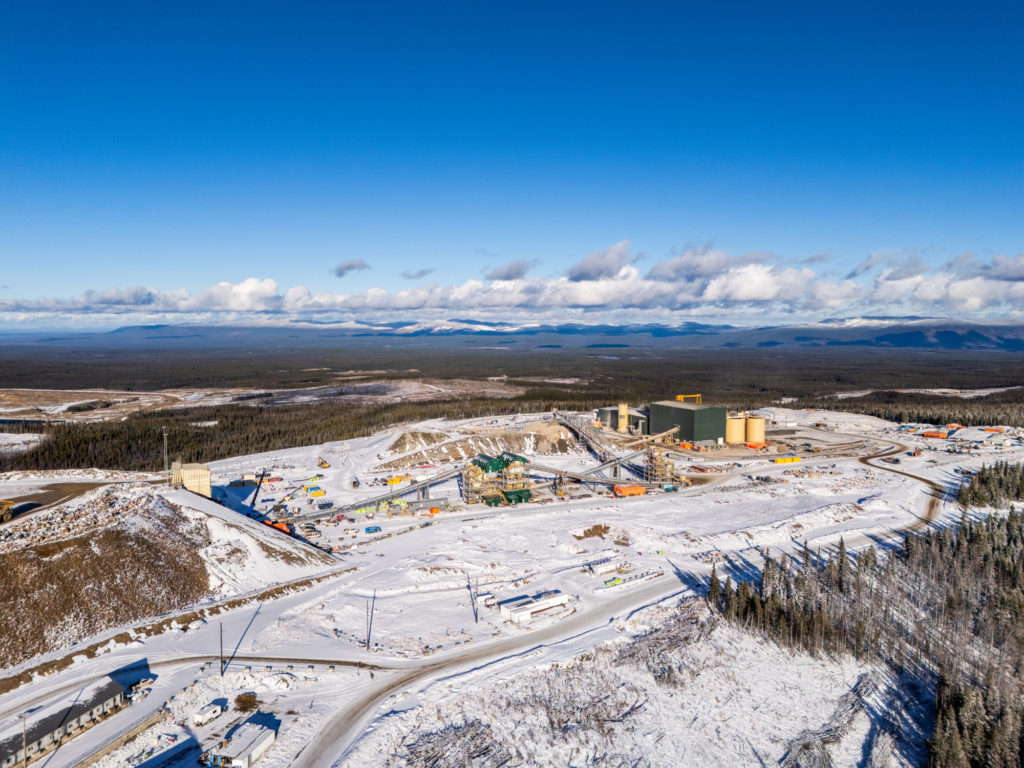
Artemis Gold has halted processing at its Blackwater mine in central British Columbia after a ball mill gearbox failure forced a production outage expected to last 8–10 days, though mining activities continue and a replacement gear is on hand. First-quarter output will be below plan, but full-year guidance of 265,000–290,000 oz remains unchanged as the company brings forward second-quarter maintenance to use the downtime. The shutdown briefly knocked Artemis’ market capitalisation below C$9 billion, despite Blackwater having produced 192,808 oz of gold in its first eight months of operation in 2025.
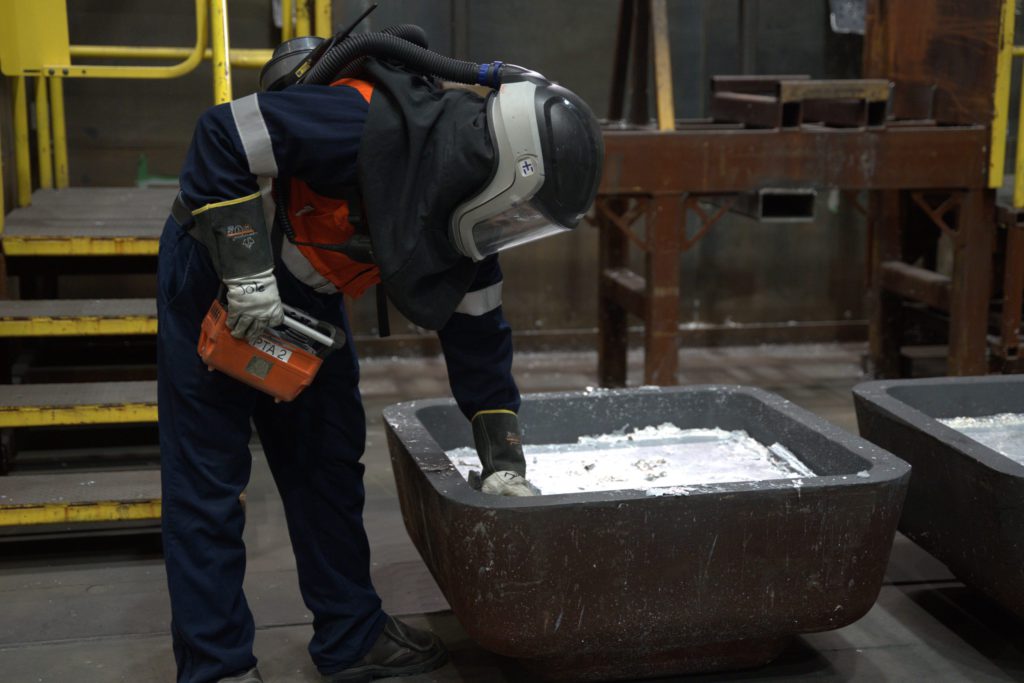
Rio Tinto has completed an industrial trial with Prysmian to produce low‑carbon aluminium rod for power cables, blending metal from its hydro-powered Alma smelter in Quebec with ELYSIS inert-anode technology that eliminates direct smelting greenhouse gas emissions and generates oxygen. The trial sits within a five-year supply agreement signed in October 2023 to roll out lower‑carbon aluminium cable solutions for energy transmission and data centres. CRU forecasts data centres will grow from about 7% of North American cable demand in 2025 at roughly 17% CAGR to 2030, with aluminium gaining share for campus power distribution.
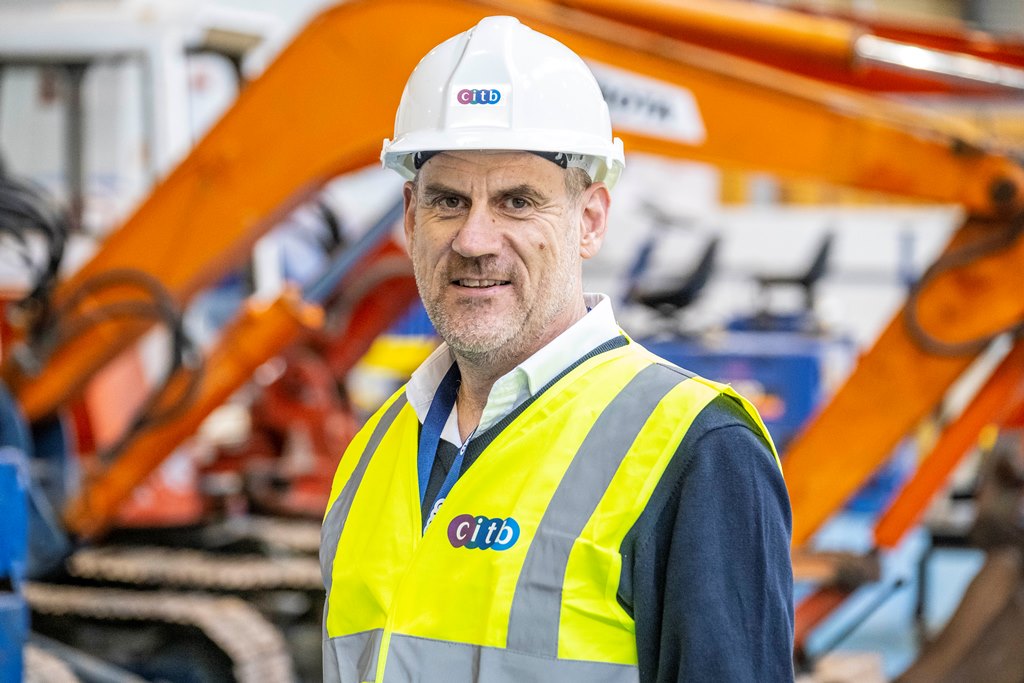
CITB has set a £11.5m employer networks budget for 2026-27, restricting access to micro, small and medium-sized firms (fewer than 249 staff) while creating a separate large employer fund. From April, these smaller employers can book training through networks at 50% match funding, subject to new annual caps of £1,500 for micro (up to nine staff), £2,000 for small (10–49) and £4,500 for medium (50–249). Large employers will instead access a £18,000-per-year large employer fund for any in-scope training, tied to an agreed training plan.
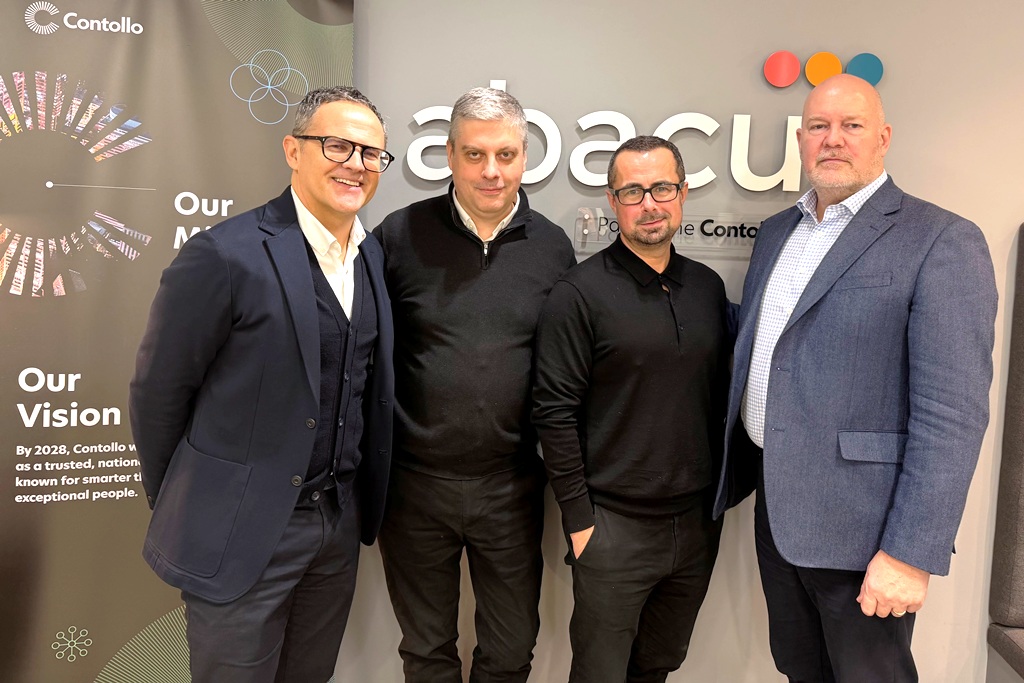
Manchester-based construction consultant Abacus has hired former Aecom leaders Steve Kenny as director of project management and Paul Camac as director of cost management, bolstering its 36-strong Manchester team. The move comes two years after Abacus was acquired by private equity-backed Contollo Group, which now has over 230 staff nationally and has consolidated consultancies including MBA, Tace, ESP and Kam. With clients such as Barratt Redrow, Bruntwood, Harworth and Sport England, the expanded leadership signals a push to scale project and cost management capability across complex built environment schemes.
Builders’ merchants ended 2025 with Q4 takings down 1.2% and volumes down 2.9% year-on-year, while prices were 1.8% higher, and December’s like-for-like volumes fell 5.8% despite a 3.6% price rise. Average daily takings in Q4 were 9.0% lower than Q3 and daily volumes 13.1% lower, mirroring ONS data showing a 2.1% quarter-on-quarter fall in construction output, led by a 3.6% drop in private new housing. The CPA has cut its 2026 construction output forecast from +2.8% to +1.7%, with private housing RMI now expected to contract by 1.0%.
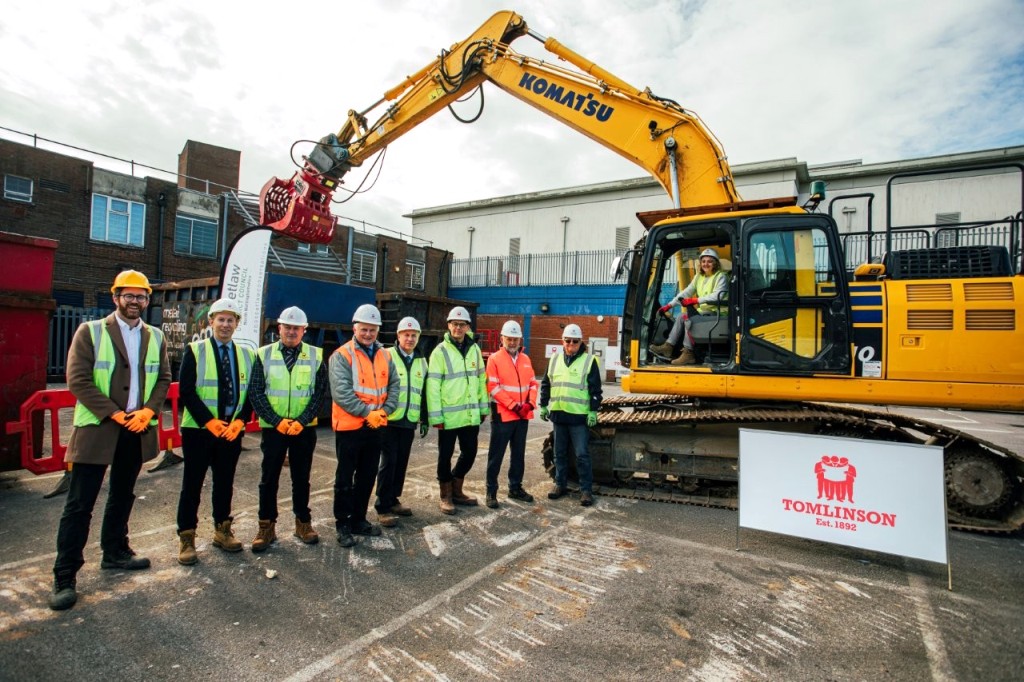
Work has started on the £20m redevelopment of The Priory shopping centre in Worksop, with main contractor GF Tomlinson beginning structural demolition under Pagabo’s medium works framework for Bassetlaw District Council. Enabling works have included isolation of building services, soft strip of internal areas, full scaffolding to demolition zones and hoarding that cuts off part of the car park between the entrance road and service ramp to segregate the public from plant. A high-reach demolition excavator will remove primary structural elements while elevations near access roads are dismantled by hand, with demolition scheduled to complete by May 2026 and all stores remaining trading throughout.