Wirtgen ex-situ recycling trains: pavement design implications for engineers
Reviewed by Tom Sullivan
First reported on Roads & Infrastructure (AU)
30 Second Briefing
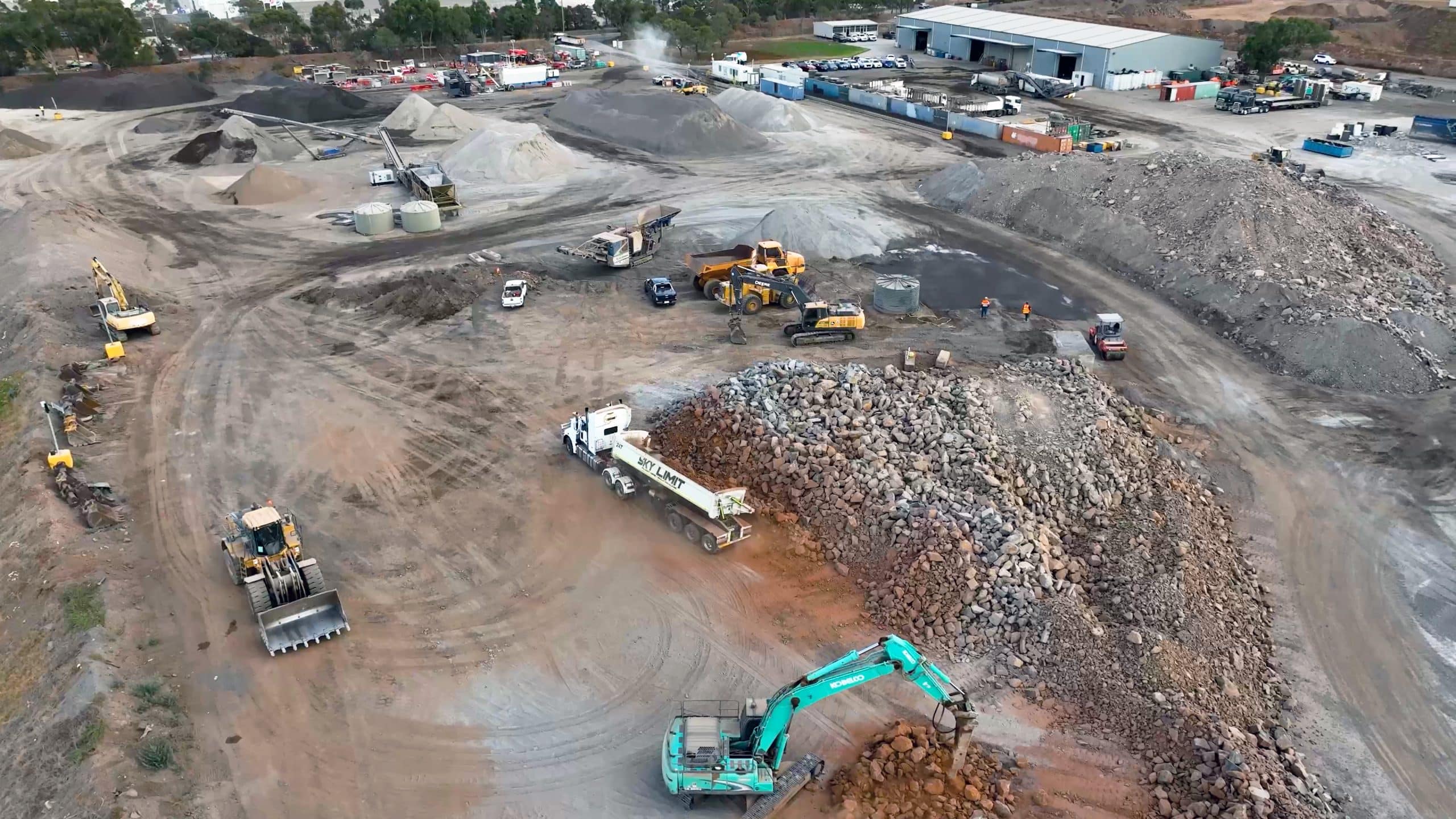
Roadstone Recycling is using Wirtgen Group ex-situ recycling trains to process reclaimed asphalt pavement and crushed concrete off-site, then return these as high-specification base and subbase materials for new road projects. By combining Wirtgen cold recyclers with modern screening and pugmill plants, the company can tightly control gradation, binder content and moisture, enabling higher recycled content than typical in-situ stabilisation while meeting state road authority specifications. The approach reduces virgin aggregate demand and truck movements, with implications for pavement design assumptions on stiffness, fatigue and long-term moisture behaviour.
Technical Brief
- Similar ex-situ trains could influence future construction specifications towards higher mandated recycled content in pavement layers.
Our Take
Wirtgen Group’s work with Roadstone Recycling in Australia sits alongside other Roads & Infrastructure Magazine pieces showing the OEM supplying full equipment ‘trains’ for reclaimed asphalt, such as the Kutter deployment of MOBISCREEN and MR 100 NEO, signalling a push towards closed-loop pavement material cycles rather than one-off recycling trials.
Prepared by collating external sources, AI-assisted tools, and Geomechanics.io’s proprietary mining database, then reviewed for technical accuracy & edited by our geotechnical team.


